Warning for Ring doorbell owners in the UK
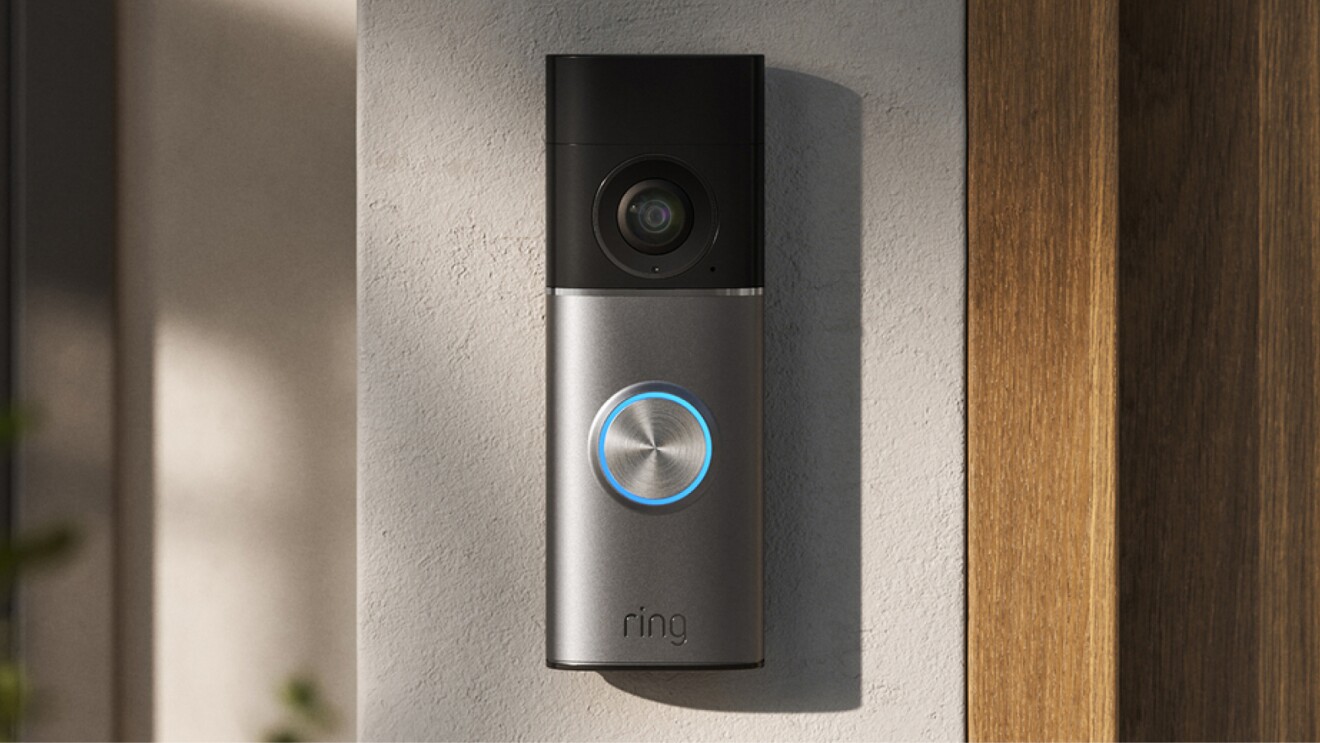

The ubiquity of Ring doorbell cameras and private CCTV means that private homeowners must increasingly think about data protection laws.
One of the most widespread myths surrounding domestic CCTV is that homeowners can record whatever their cameras happen to capture simply because the camera is situated on private property, says Ann Critchell-Ward, Partner at HCR Law.
“That’s not necessarily correct. Under UK GDPR, there’s a ‘domestic purposes’ exemption that excludes purely personal or household activities from the scope of data protection legislation. A CCTV camera used solely to monitor a homeowner’s own property will generally fall within that exemption,” she said.
Critchell-Ward noted that the position changes where cameras capture images beyond the boundaries of the property.
“The Information Commissioner’s Office (ICO) states that where domestic CCTV records neighbouring property, communal areas or public space, including roads and pavements, data protection law is likely to apply. In those circumstances, the homeowner may become a data controller and acquire obligations under UK GDPR and the Data Protection Act 2018.
“In practice, this means that many modern smart doorbells and domestic CCTV systems may be subject to data protection requirements without their owners realising it.”
Ring doorbells
Further complicating issues is Amazon’s popular Ring doorbell and other smart home tech, which typically captures far more than a standard CCTV device. Many of these systems now include:
- High-definition video recording
- Motion detection
- Cloud storage
- Remote access via smartphone apps
- Facial recognition capabilities
- Two-way audio communication
- Continuous recording functionality
“Crucially, many of these devices are intentionally designed to capture activity occurring before a visitor reaches the property itself. As a result, they frequently record public pavements, roads and neighbouring properties,” said Critchell-Ward.
“From a security perspective, this may seem entirely reasonable. From a data protection perspective, however, it can bring the system squarely within the scope of UK GDPR.”
While video footage can undoubtedly be intrusive, the recording of conversations can present a significantly greater privacy concern. The ICO has specifically highlighted the potential intrusiveness of audio capture when considering domestic CCTV systems.
A camera recording a person walking down a public pavement may be relatively easy to justify. Recording fragments of private conversations between passers-by, neighbours or visitors is far more difficult.
What the law says
The issue of private recordings recently made national news headlines in the case of Fairhurst v Woodard.
The case concerned a dispute between neighbours involving a Ring doorbell and additional surveillance cameras.
“The court concluded that aspects of the monitoring extended beyond what was necessary and that elements of the surveillance breached data protection requirements. The capture of audio and monitoring beyond the owner’s property featured prominently in the court’s analysis. The claim also succeeded on harassment grounds,” said Critchell-Ward.
However, she notes that the decision was made at County Court level and is not binding precedent. Nevertheless, it remains an important illustration of the legal risks associated with excessive domestic surveillance, she said.
“Domestic CCTV disputes are no longer simply matters of neighbourly relations. Data protection law may be engaged, and legal liability can follow.”
For now, the legal position remains relatively straightforward, said Critchell-Ward.
“Cameras that monitor only a homeowner’s own property will generally fall within the domestic purposes exemption. Cameras that capture public areas, neighbouring properties or communal spaces may bring the homeowner within the scope of UK GDPR.
“The more interesting question, however, is whether society has quietly created a vast, decentralised surveillance network in which private individuals routinely collect information that may later become evidence in criminal investigations.”
What began as a means of protecting private property has evolved into something much broader, she said.
“As technology continues to develop, regulators, courts and policymakers will increasingly be required to determine how privacy rights should operate in a world where almost everyone has become, to some degree, a surveillance operator.”