Millions of Brits will now have to show they are over 16 to access social media

Telecoms regulator Ofcom has confirmed that British adults will need to show some form of identification to continue accessing social media as part of the government’s move to restrict the platforms from teenagers.
The regulator published a list of assessment tools on Thursday (29 October) detailing how social media firms could reliably determine whether someone is aged 16 or over.
The government announced the ban in June, and it will come into force next year. It set a stricter test than Australia did, requiring tech firms to use highly effective age assurance rather than simply taking reasonable steps.
How will you be checked?
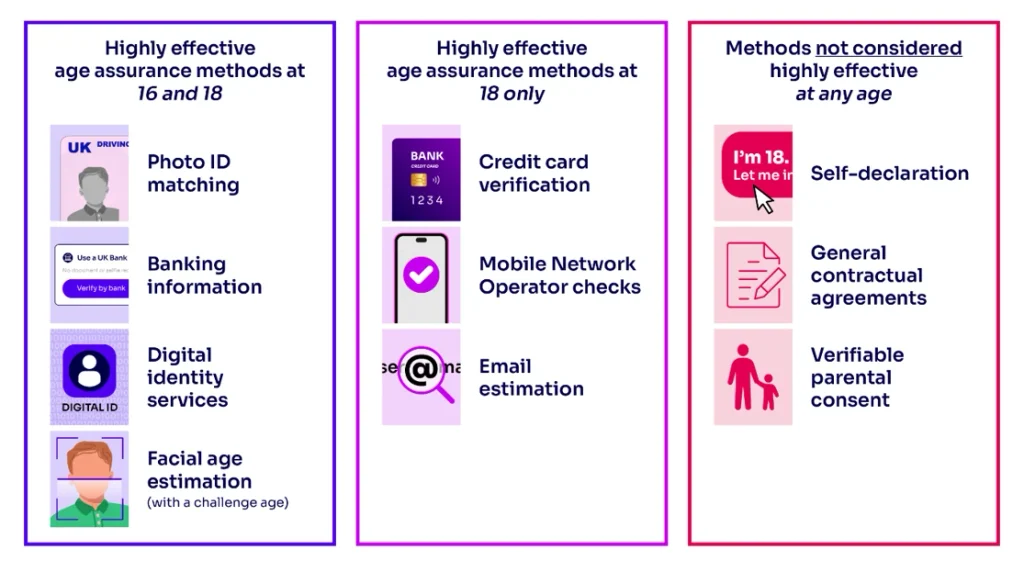
The assessment tools will effectively take four key forms:
- Photo ID matching: This compares a passport or a driving licence with a live photo of the user;
- A digital ID service: This lets users verify their age once with photo ID and reuse it afterwards;
- Banking checks: This lets the platform draw from a bank’s details which corroborates the user’s age;
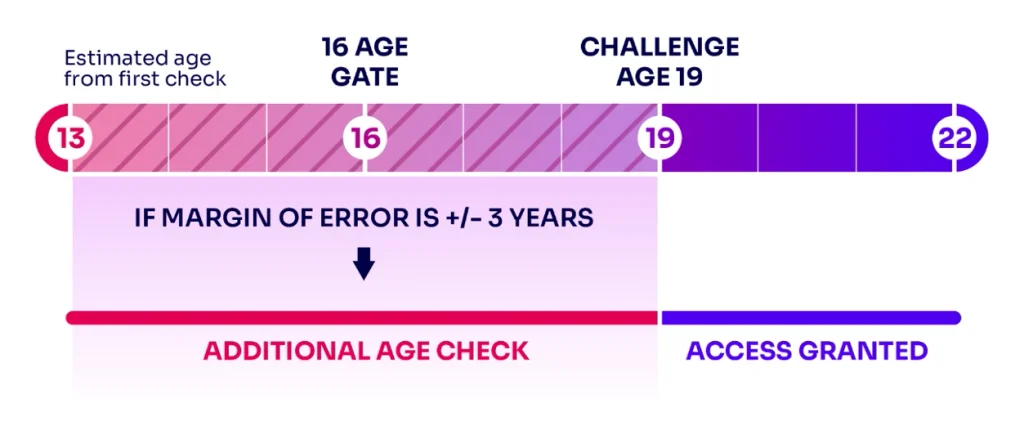
- Facial age estimation: This is a tool which estimates a person’s age based on an uploaded video.
Ofcom notes that those 16-17 year-olds that do not yet have a photo ID would likely need to take steps to obtain one, even if they are actually of age.
The regulator noted that some adults with existing social media accounts will not need to complete an age check if the platform already holds accurate and reliable information to establish they are over the required age.
However, it warned that many adults are still likely to be asked by sites and apps to prove their age, using the wider range of methods at age 18 identified in our existing guidance.
“Age checks at 16 will involve the processing of personal data. However, our assessment concludes that available methods can be delivered in a way that protects users’ privacy and complies with data protection law, and we will continue to work closely with the Information Commission in this respect,” it said.
“Current age inference methods – which analyse a user’s online behaviour to estimate their age – cannot act as an age gate, as this involves a user already being on a platform. However, it may still have a supporting role to play as part of a wider age assurance system – for example, to help detect under-16s that have bypassed an age check.”
Circumventing the system is invevitable
Despite all the checks being put in place, Ofcom said it was inevitable that some teenagers will inevitably get around the age gate, and that it was on social media platforms to help mitigate the risks.
It added that it will monitor the system for a 12-month period after its introduction to further strengthen it down the line.
“This ban will shape the future of children’s lives online, so it’s important to get it right. It can work if social media firms do highly effective age checks properly, and we’ve set out ways that could be achieved. When it comes into force next year, we’ll be ready to take swift and firm action against any company that fails to comply,” said Dame Melanie Dawes, Ofcom’s Chief Executive.
“We should expect that motivated children will seek to bypass the restrictions – just like alcohol laws can’t completely eradicate underage drinking – but there’ll be ways for platforms to mitigate this risk. This will be a huge cultural shift for our society, so it’ll take time to adjust, and everyone will have a part to play.”