UK looking at introducing TV licence requirement for YouTube


Key Points
- Lisa Nandy is considering extending the TV licence to streaming
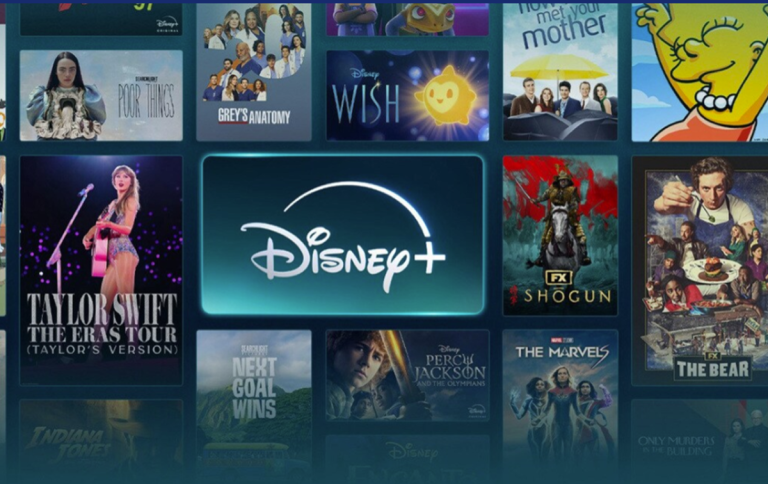
- YouTube, Netflix, Amazon and Disney+ would all be covered
- Up to 4 million more households could have to pay
- MPs want a device-neutral licence from January 2028
- Fewer than 40% of households could pay by 2038
Culture Secretary Lisa Nandy is considering extending the £180-a-year TV licence to YouTube, Netflix, Amazon and Disney+.
Whitehall sources told the Telegraph that the proposals would form part of a white paper on the BBC’s charter renewal, which the government plans to publish before Christmas.
Viewers currently need a licence to watch live TV on any platform or to use BBC iPlayer, but can use streaming services such as Netflix and YouTube without one.
The plans would extend the licence fee to all other online providers and streaming content, closing the route people use to avoid paying by watching on phones, tablets and computers.
Any new money raised under the plan would fund local journalism and efforts to tackle misinformation, the sources said.
Estimates suggest an extra 3 million to 4 million households would have to pay the licence fee if the government extends it to streaming services.
“The BBC must be funded by a model that is sustainable and fair to all those that are paying it. Through Charter Review, we are looking at a range of options, including how the licence fee could be reformed, but no final decisions have been made,” said a Department for Culture, Media and Sport spokesperson.
The proposals follow a recommendation from the Digital, Culture, Media and Sport Committee to broaden the licence fee from January 2028 so that it no longer depends on owning a TV, in exchange for a lower individual cost.
The committee published its BBC Royal Charter review report on 1 October and concluded that the BBC as it exists today would not survive the next charter period if the government fails to act and non-payment continues.
More than 27 million UK households own a TV, but fewer than 24 million TV licences are in force, according to BBC data. The licence fee evasion rate stood at 11.93% in 2025/26.
A further 3.7 million households had declared that they do not need a licence as of 31 March 2026, up 1.7% on the previous year.
BBC research suggests around half of those households still watch content that requires a licence, costing the corporation about £323 million in lost income.
Director-General Matt Brittin told MPs the BBC had lost between £1.2 billion and £1.3 billion of licence fee funding over the past ten years, with 40% of that drop coming from fewer households paying.
The licence fee rose to £180 on 1 April 2026, and collecting it cost the BBC £166 million in 2024/25. The BBC also funded 827,000 free licences for over-75s on pension credit in 2025/26.
The current BBC charter, which sets out how the corporation is funded, runs until December 2027.