Burnham’s triple lock replacement has one big unanswered question

Key Points
- Burnham will replace the triple lock with a new system from 2030.
- Quilter says the earnings-link mechanism remains undecided.
- The IFS says the reform removes the old triple lock's permanent ratchet.
- The State Pension provides 57% of income for lower-income retirees aged 65 to 79.
- Detailed proposals should follow the Pensions Commission's spring 2027 report.
Quilter has warned that Prime Minister Andy Burnham’s replacement for the triple lock leaves one key question unanswered.
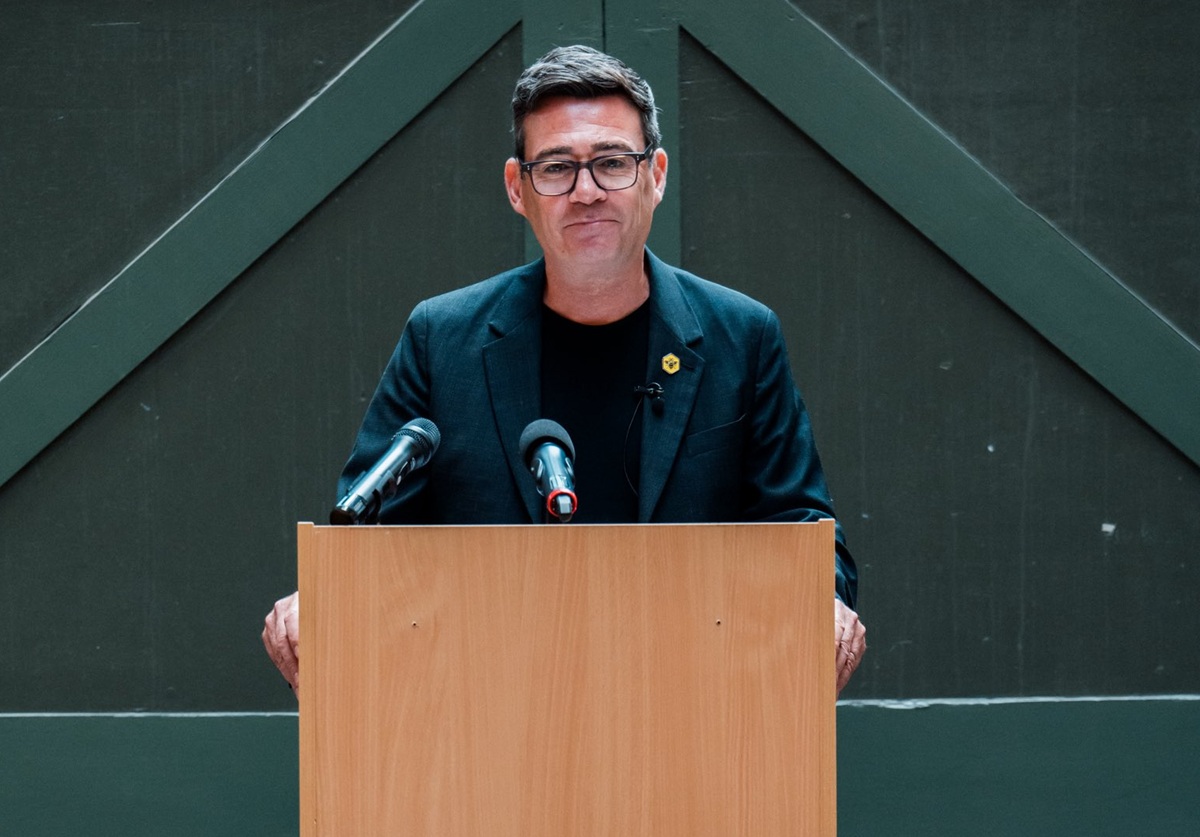
Burnham used his first Labour conference speech as prime minister, in Liverpool, to announce the end of the triple lock in its current form. From 2030, the State Pension will rise by inflation or 2.5%, with a longer-term adjustment to keep it in step with earnings.
Burnham said changing the triple lock would generate significant savings to help fund a new national care service.
Investment firm Quilter said the pledge to link the State Pension to earnings over time leaves the actual mechanism undecided.
“The commitment to ensure the State Pension ‘holds its value relative to earnings over time’ is particularly significant because it suggests earnings will continue to play an important role within the future framework,” said Adam Cole, Retirement Specialist at Quilter.
“However, the devil will be in the detail. At this stage it remains unclear whether that means maintaining the State Pension at a certain proportion of average or median earnings, smoothing earnings growth over a number of years, or using another mechanism entirely,” Cole added.
The firm said the biggest test is what happens when wages grow faster than inflation or 2.5% for several years in a row.
“If the State Pension is intended to maintain its value relative to earnings over the long term, there will need to be some mechanism that allows it to catch up with wage growth over time,” Cole said.
How the new system could work
Think tank the Institute for Fiscal Studies (IFS) has set out its reading of the new rules. It said the State Pension would rise each year by the highest of CPI inflation, 2.5%, or whatever amount keeps it level with average earnings growth since the new policy started.
The IFS said this removes the old triple lock’s permanent ratchet, which pushed the State Pension ever higher relative to workers’ pay.
The institute estimated that the old triple lock has added £16 billion a year to State Pension spending by 2026–27, compared with a simple earnings link. It said spending in 2026–27 would have been £9 billion lower had the new version applied since 2010.
The IFS expects the savings to stay relatively small for the first few years before growing significantly over the long run.
Millions rely on the payment
Quilter’s latest Retirement Lifestyle Report found the State Pension accounts for almost a quarter of retirement income on average.
Among retirees aged 65 to 79 with incomes of £25,000 or less, the State Pension makes up 57% of their retirement income. For over-80s on below-average incomes, it accounts for 54% of what they live on.
The firm said future retirees will likely lean even harder on the State Pension as final salary pensions disappear.
Final salary (defined benefit) pensions make up 33% of income for over-80s with above-average retirement incomes. Among younger retirees, the figure drops to just 14%.
Quilter expects more detailed proposals alongside, or following, the Pensions Commission’s final recommendations in spring 2027.
“Given the Commission has been tasked with examining the sustainability, adequacy and fairness of the UK’s pension system, its findings should provide an important evidence base for Labour’s longer-term pensions strategy,” Cole said.