UK workers pay £16.9 billion more tax without a single rate rise

Key Points
- PAYE income tax and National Insurance receipts reached £214.0 billion from April to August
- The £16.9 billion rise came with no change to headline tax rates
- Frozen thresholds are pulling more earners into higher tax bands
- Inheritance tax receipts hit £3.8 billion, with pensions in scope from April 2027
- Quilter warned against making financial decisions on Budget rumours
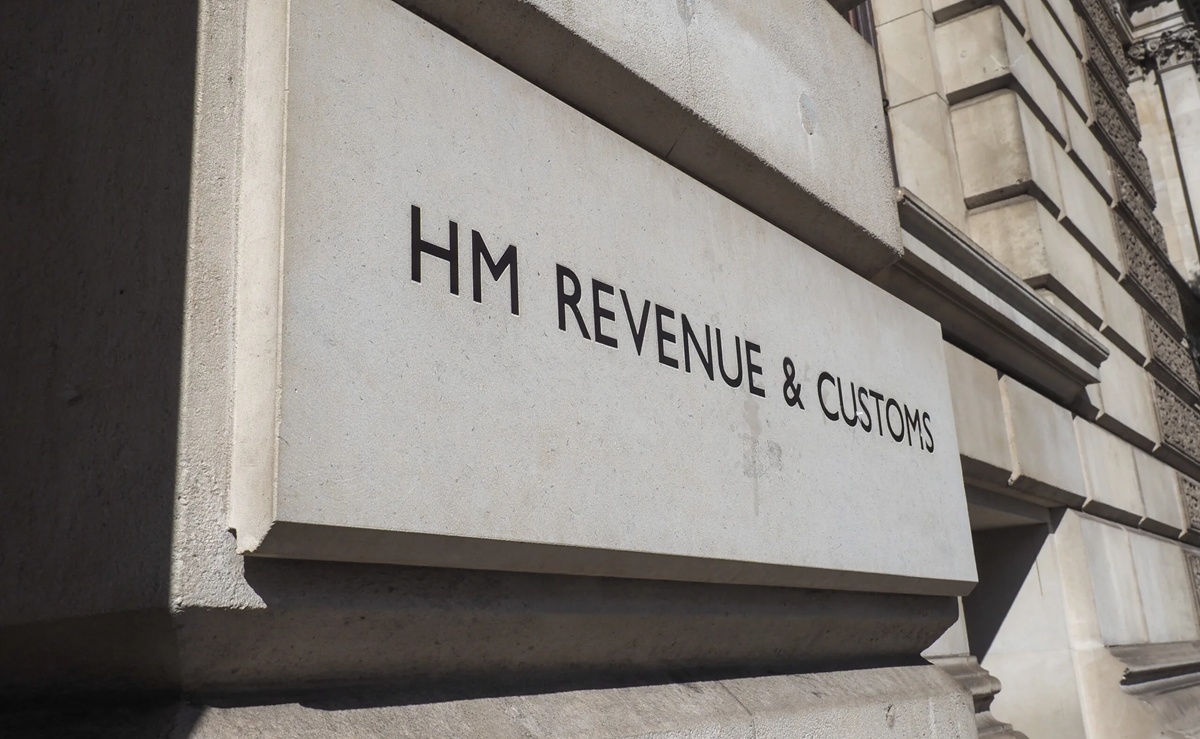
PAYE income tax and National Insurance receipts reached £214.0 billion between April and August 2026, £16.9 billion more than the same period last year, according to HMRC figures published on Tuesday (22 September).
Wealth manager Quilter said the increase came without any change to headline tax rates, with frozen thresholds pulling more earners into higher tax bands and exposing a greater share of their income to tax.
“Income tax and National Insurance continue to do most of the heavy lifting for the public finances,” said Rachael Griffin, Tax and Financial Planning Expert at Quilter.
“While headline rates have remained unchanged, frozen thresholds have steadily increased the tax burden on working people by pulling more earners into higher tax bands and exposing a greater proportion of income to taxation.”
Griffin said the figures showed how valuable frozen thresholds had become to the Exchequer, and that any move to raise the personal allowance at the Budget would come at a significant cost to the Treasury.
Inheritance tax receipts for April to August reached £3.8 billion, £0.1 billion higher than the same period last year. Griffin said frozen thresholds, rising property values and growing household wealth were bringing more families into scope, and that unused pension wealth will fall within inheritance tax from April 2027.
Capital gains tax receipts came in at £198 million in August, up from £190 million in August 2025.
Griffin said the Budget rumour that the government could align capital gains tax rates with income tax rates could raise substantial sums on paper, but the eventual tax take would depend heavily on how investors respond.
“Capital Gains Tax is one of the most behaviourally sensitive taxes in the system,” she said. “Faced with higher rates, some may accelerate disposals ahead of any changes while others may simply hold assets for longer or alter their investment behaviour altogether.”
The firm said investors and savers should be cautious about making major financial decisions based on Budget rumours, since speculation often proves inaccurate and proposals can change significantly before they become law.
“For now, the most sensible approach is to focus on the allowances and reliefs that exist today, including ISAs, pensions and gifting exemptions, rather than trying to second guess what may or may not appear in the Budget,” Griffin said.