No headset needed: How Many Worlds is getting around VR’s hardware problem


Many Worlds builds its virtual reality training to run on the smartphone already in your pocket rather than on hardware costing hundreds of pounds.
The South African company develops training simulations for skills that are hard to practise in the real world, from communication and leadership to the rare, high-risk moments that decide a sports match.
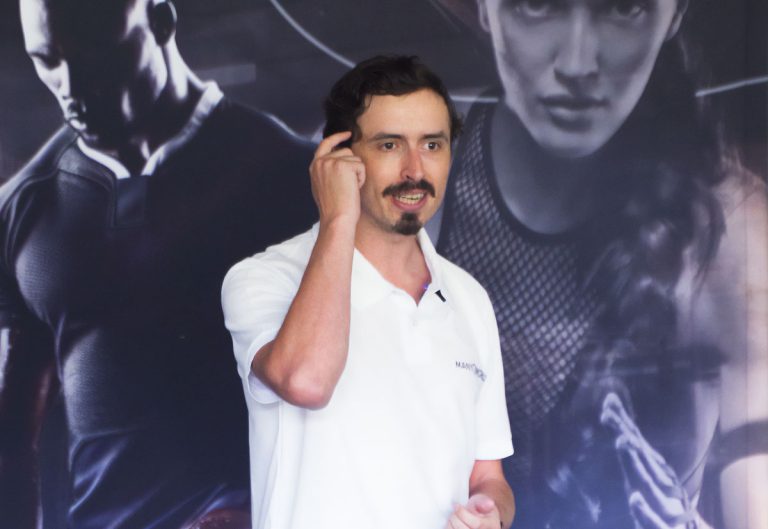
Weich Malan, founder and CEO of Many Worlds, argues the industry has attached the wrong meaning to the term itself.
“Virtual reality is a concept, a concept that describes the degree to which a narrative or a story or a situation scenario can emotionally engage an individual to such an extent that they feel a sense of presence or being there,” said Malan.
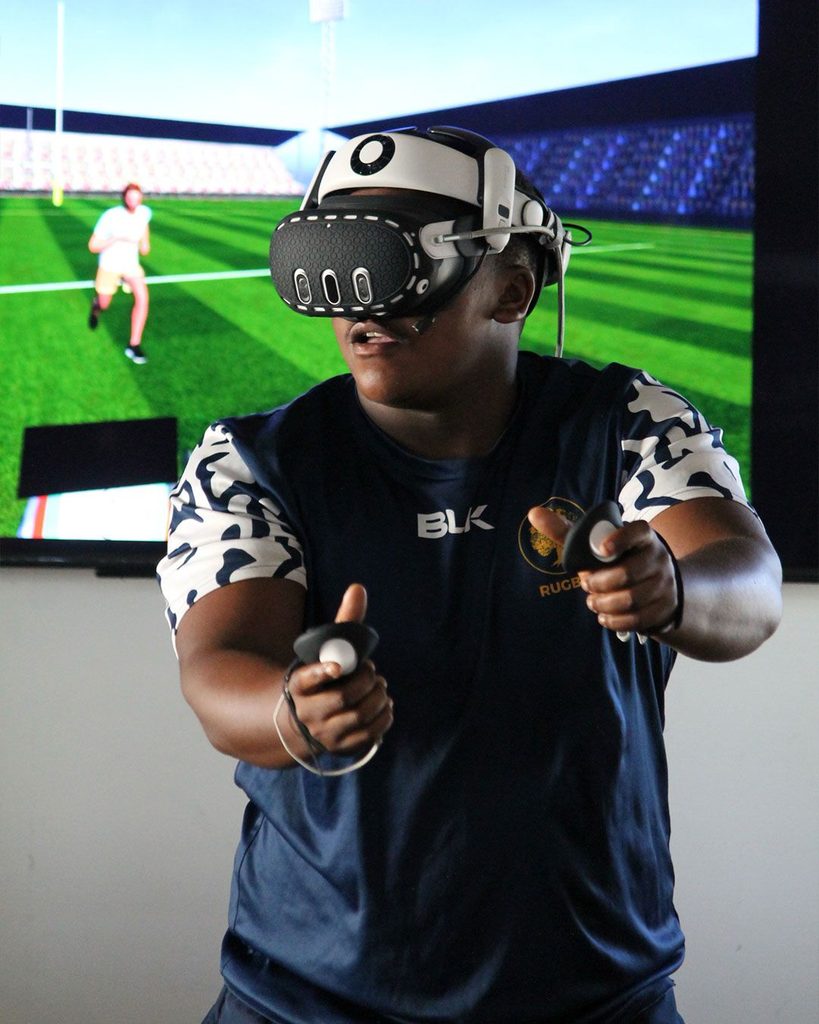
The distinction he draws is between narrative immersion and physical immersion, and he points out that games, films and books all achieve the first without any hardware at all.
That thinking shaped the company’s first product decision. Malan and his team asked what the bare minimum piece of equipment was that every business, organisation and individual already had, and settled on the smartphone.
Explore the solutions offered by ManyWorlds here.
Most Android devices bought over the counter carry roughly the same processing power as a modern VR headset, and Many Worlds designed its early simulations to run on those phones and slot into inexpensive mobile headsets with stereoscopic lenses.
Malan said the vast majority of people have never tried a high-end headset, so a basic mobile one delivers the sense of presence the training depends on.
The company extends the same logic to whatever a client already owns rather than insisting on a specific setup.
“We don’t go to a client and tell them, no, this is only possible through headsets,” said Malan.
ManyWorlds builds to websites, company servers, laptops, Android phones and consoles, and Malan cites the PlayStation 5 sitting in a break room as a legitimate delivery platform.
The approach targets the accessibility gap he sees across the sector, where organisations without large training budgets are shut out of a product he believes should reach small and medium businesses and grassroots users.