5 London postcodes just out-taxed Scotland and Wales combined

Key Points
- Five London constituencies paid £1.99bn in inheritance tax over five years, edging out Scotland and Wales combined at £1.97bn
- The top 10 London-area seats paid more than the entire north of England, with eight held by Labour MPs
- Kensington estates faced an average inheritance tax bill of over £1m, compared with £49,000 in Manchester Gorton
- Inheritance tax receipts have climbed from £5.3bn in 2020-21 to £8.3bn in 2024-25 and are projected to hit £12.6bn by 2028-29
- Rachel Reeves is counting on £35bn extra from asset taxes by 2030, a forecast that depends on wealthy taxpayers not leaving the UK
A handful of west London streets are pulling more inheritance tax for the Treasury than two entire nations.
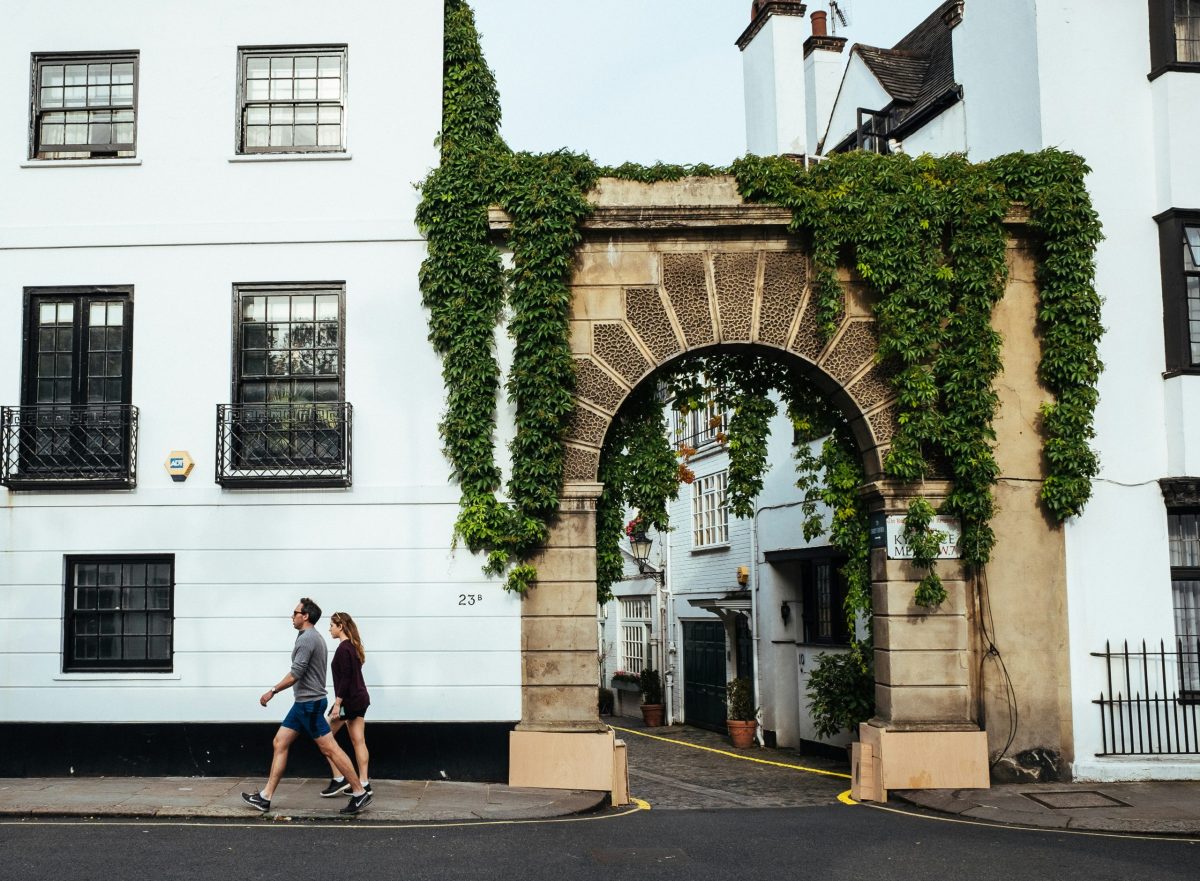
Between 2018-19 and 2022-23, the constituencies of Kensington, Chelsea and Fulham, Hampstead and Kilburn, Richmond Park, and the Cities of London and Westminster handed HMRC £1.99bn in inheritance tax. Wales and Scotland combined? £1.97 billion. Five postcodes, two nations, and the postcodes won.
The data, obtained from HMRC through Freedom of Information requests by Conservative policy chief Neil O’Brien, lays bare just how lopsided Britain’s death tax really is.
In Kensington, the average estate liable for inheritance tax faced a bill of more than £1 million. In dozens of constituencies elsewhere, the average bill was under £100,000. In Manchester Gorton, the lowest among those with published data, 41 estates paid an average of £49,000.
Stretch the lens slightly and the picture gets stranger. Just 10 constituencies in and around London paid £3.1 billion over the five years, more than the combined £2.8 billion from the North East, North West and Yorkshire and the Humber put together. Eight of those 10 seats are Labour-held. The Conservatives and Lib Dems have one each.
Inheritance tax is levied at 40% on the value of an estate above £325,000, with the threshold rising to £500,000 if a main home is left to children or grandchildren, and to £1 million if both spouses’ allowances are used.
Fewer than 5% of estates end up paying. But that small share is doing enormous fiscal lifting: receipts have climbed from £5.3 billion in 2020-21 to £8.3 billion in 2024-25 as asset prices have risen and the threshold has stayed frozen. The Office for Budget Responsibility reckons the take will hit £12.6 billion by 2028-29.
And that’s where it gets awkward for Rachel Reeves.
The Chancellor’s budget arithmetic leans hard on asset taxes continuing to deliver. Together with stamp duty and capital gains tax, Reeves is banking on an extra £35 billion or so from asset-based revenues by 2030.
The plan rests on two assumptions: that asset prices keep climbing, and that the wealthy people sitting on those assets keep sticking around to be taxed.
Both assumptions are looking shakier by the month. Central London house prices are falling. International investors are voting with their feet. And the people most likely to leave are precisely the people propping up these revenue lines in the first place.
O’Brien calls it “fiscal fragility”, and the term fits. When a tax is this geographically concentrated, it doesn’t take a mass exodus to blow a hole in the forecasts.
A few hundred wealthy families relocating to Dubai, Milan or Monaco could meaningfully shift the numbers. Reeves is, to borrow O’Brien’s metaphor, setting off on a 100-mile journey with exactly 100 miles worth of petrol.
The maths only works if the millionaires of Kensington keep dying in Kensington, and their heirs keep paying up. Which, increasingly, is not a sure thing.