New UK laws unveiled in King’s Speech – From immigration to nationalisation

Key Points
- The government has announced new legislation in the King's Speech, with new bills set to tackle everything from immigration to nationalising British Steel.
- The government plans to implement its "firm but fair" immigration system that will make it more difficult for immigrants to secure leave to remain in the country.
- Bills will be introduced to abolish the sale of leaseholds, invest in more council housing, and to secure closer ties with the European Union.
- Digital ID will be introduced in the next session of Parliament, as will reforms to the NHS and the energy sector.
The government has announced a new package of legislation in the King’s Speech today, ranging from immigration to nationalising British Steel.
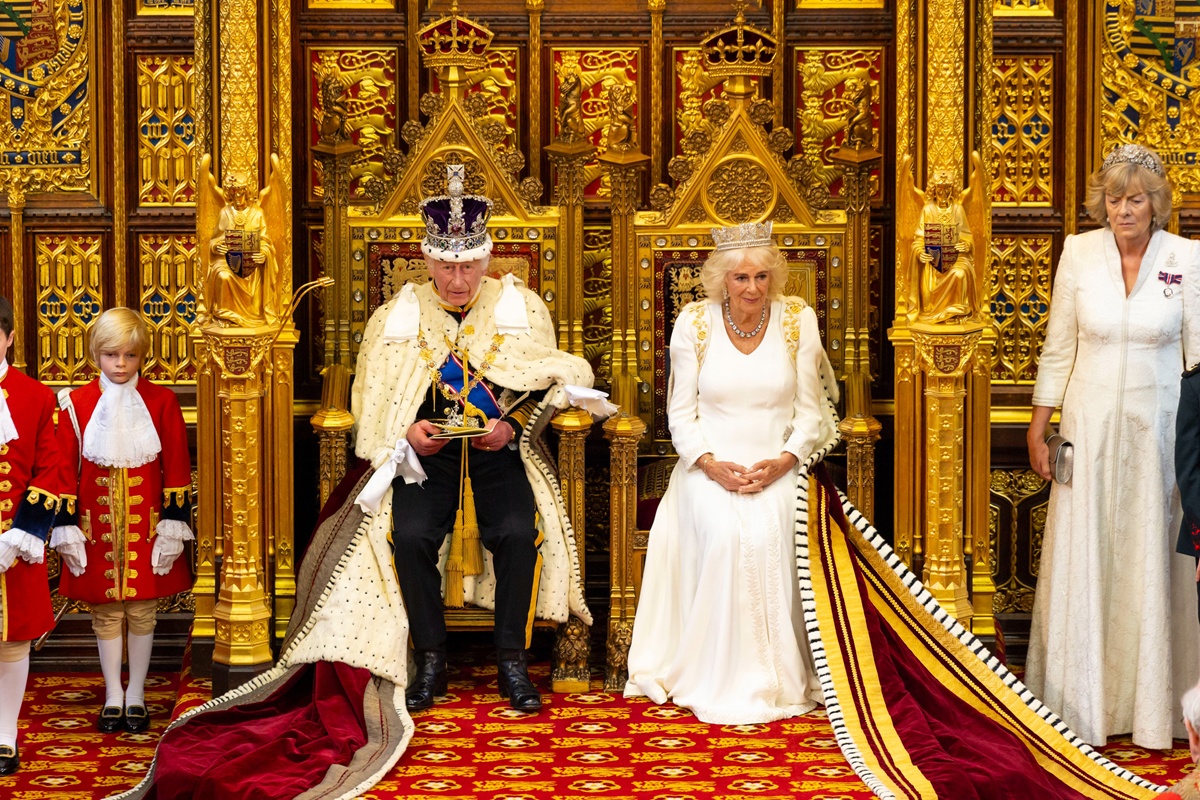
The King’s Speech, which marks the opening of the second session of Parliament under this government, unveiled dozens of new pieces of legislation aimed at delivering the change promised by Prime Minister Keir Starmer.
Starmer, who has faced open rebellion since Labour’s disastrous performance in the recent local elections, has attempted to face down leadership challenges threat by promising more rapid and disruptive change than his government has so far delivered.
Despite introducing bills aimed at working people, such as the Employment Rights Act, Renters’ Rights Act, and the Children and Wellbeing Act, Starmer has proven significantly unpopular among the national electorate, and many have treated Labour’s poor performance in last week’s local elections as a reflection of the country’s position on him as its leader.
He will be hoping that the legislative agenda unveiled in the King’s Speech will be enough for him to hold onto the leadership of the Labour Party and the government.
The new laws announced by government
In the King’s Speech, the government announced a wave of new legislation which it said aims to “deliver on the promise of change for the British people”.
These include the passing of legislation that will empower the government to nationalise British Steel, implement a “firm but fair” immigration system, and accelerate the reform of the NHS to better support British people.
Immigration changes proposed by the government will make it more difficult for migrants to earn settled status in the UK, with some having to wait up to 10 years before qualifying. It will also make it more difficult for asylum seekers to appeal against decisions through the European convention on human rights.
The government has also announced it will seek closer ties with the European Union in an effort to strengthen the country’s trading opportunities and economy, as well as to deliver more opportunities for young people and shore up the country’s defence.
On housing, the government announced in the King’s Speech that it plans to put an end to leasehold entirely by introducing legislation that will forbid the sale of new leasehold flats, as well as increasing long-term investment in social housing to provide Britain with the housing stock it needs.
The government plans to accelerate its reform of the NHS, including the abolition of NHS England, to strip back bureaucracy and reverse the service’s decline. It will also work to reform police and special education services to ensure those most vulnerable are protected and public order is safeguarded.
It was also confirmed today that Digital ID will be introduced through a new bill in an effort to improve the efficiency of public services.
Energy also featured prominently in the government’s plans, with the introduction of the Energy Independence Bill to scale-up homegrown energy and improve the resilience and efficiency of Britain’s energy production capabilities that will make it more resistant to geopolitical pressures such as those seen as a result of the Iran conflict.
In the speech announcing the government’s agenda, King Charles III said the UK’s approach to foreign policy would be based on a “calm assessment of the national interest”. He said the government would continue its unflinching support for Ukraine and would uphold its commitment to NATO through increased defence spending.