The painful cost of the AI boom for everyday people in the UK


AI investment accounts for an increasing portion of global growth, but the effects of this speculation have real consequences on the everyday lives of people in the UK.
Investors and businesses are betting big on AI, and the sector is becoming a primary driver of GDP and market growth. In the first nine months of 2025, AI-related IT investments were estimated to have accounted for up to 39% of total GDP growth in the United States, surpassing the contribution of IT components to real GDP growth during the height of the dot-com bubble.
Recent data shows that UK businesses are also set on big AI spending for the foreseeable future, with 70% of business leaders in the country saying AI would remain a top-priority investment even if a recession hit the UK economy next year.
The same survey found that 65% of UK companies plan to continue to invest in AI regardless of whether they saw a tangible return on investment for their spending.
This all goes to say that AI spending is not going away anytime soon, and while that might be great news for speculators or data centre companies, it may come as a frustration to many everyday consumers.
AI demand causes UK tech prices to skyrocket
Looking at the performance of your US tech stocks, you might thank the continued growth of the AI sector. But if you’re interested in buying a new smartphone, laptop, or any other tech hardware in the UK, you may begin to feel less grateful for the AI boom.
Customers in the UK can thank the global AI craze for the more expensive price tags on their favourite tech, from iPhones to gaming consoles.
To continue growing their AI capabilities, companies that run AI services need ever bigger data centres with more memory and processing power. Specifically, they need DRAM memory modules and powerful processors including GPUs and purpose-built chips for AI processing.
However, these devices share a supply chain with consumer technology, and the insatiable demand for these components from AI companies means they have become rare and valuable pieces of technology.
Earlier this month, Microsoft hiked the price of its existing Surface laptop range by up to 28%, citing the challenge of memory and component shortages to justify the steep increases.
Microsoft is not the only hardware manufacturer to increase the price of its laptops. In March, Apple announced similar price hikes on its newest range of laptops due to the ongoing shortage of components caused by the AI boom.
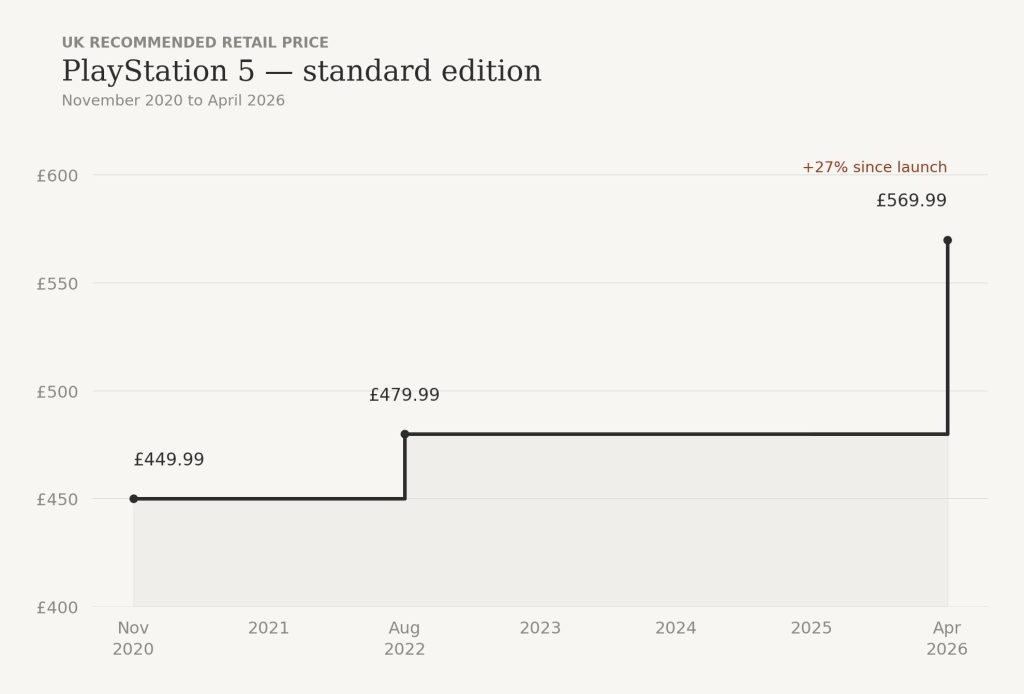
Gamers are no luckier. Sony announced last month that it would substantially increase the prices of its PlayStation 5 console in the UK, and the Xbox and Nintendo Switch are expected to follow soon.
The next generation of Steam hardware by PC gaming company Valve has also been delayed, with the company citing the ongoing chip and memory shortage cause by the demand from AI data centres as the reason for its delay and possible price hikes when these devices eventually launch.
These developments have reversed what used to be a trend taken for granted in the age of readily available consumer technology: older phones, laptops, and gaming hardware would become more affordable as new generations were released.
In 2000, the Sony PlayStation 2 launched with a price tag of £299. Two years later, it had dropped to £169 and in 2006, you could get a PS2 for around £105.
When the PlayStation 5 launched in the UK, it had an official price tag of £449. A new PS5 will now set you back £569.
AI-driven demand means that bucking historical trends, your older tech has actively appreciated in price, all due to the cost of the now-precious components within.
Data centres strain the energy grid
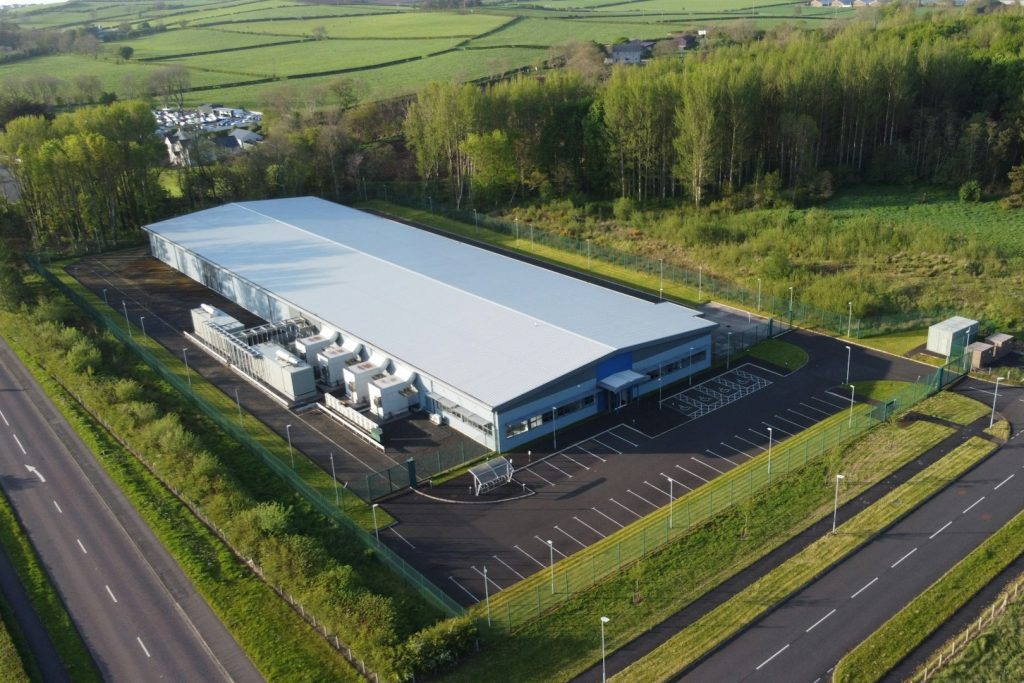
Higher prices for consumer tech may mean delaying your next smartphone or console upgrade, but AI investment also has a broader impact on peoples’ lives in the UK – it is actively impeding new housebuilding projects and placing growing stress on the national energy grid.
A report published last year by the London Assembly’s Planning and Regeneration Committee found that the increasing number of large data centres being built in London are competing with new housing for the limited supply of energy available from the city’s grid.
In 2022, parts of West London’s electricity grid reached capacity, and new housing developments were told they could not connect to the grid until the 2030s.
The energy demanded by data centres is forecasted to grow by between 200% and 600% by 2050, and they already account for 18% of all demand on the network.
The last thing an area as densely populated as London, where the affordability of housing is already stretched, needs is energy constraints slowing down housebuilding projects.
Data centre rollouts also threaten to drive up consumer energy bills, if the US rollout of new data centres by big tech companies is anything to go by.
Bloomberg reported last year that those living near new data centre hubs saw their household power bills surge by up to 267%.
Ofgem has acknowledged the strain the UK’s energy grid is under due to these AI data centres.
The energy regulator told the Telegraph in February that more than 140 data centres have sought connections to the UK energy grid, and that if all were connected, it would require more than double the power currently consumed by the country.
AI might be a great investment with unprecedented pay-offs, and new data centres in the UK might drive financial growth in the current market, but the ripple effects of this ‘boom’ are already being felt in the pocket of the average person in the UK.