A rocket mishap just derailed Vodafone’s ambitious plan to beam 5G from space


A Blue Origin rocket successfully reused its first-stage booster for the first time, but the upper stage malfunctioned, stranding AST SpaceMobile’s latest satellite in a uselessly low orbit.
The setback throws a wrench into Vodafone’s high-stakes push for direct-to-device satellite connectivity across Europe.
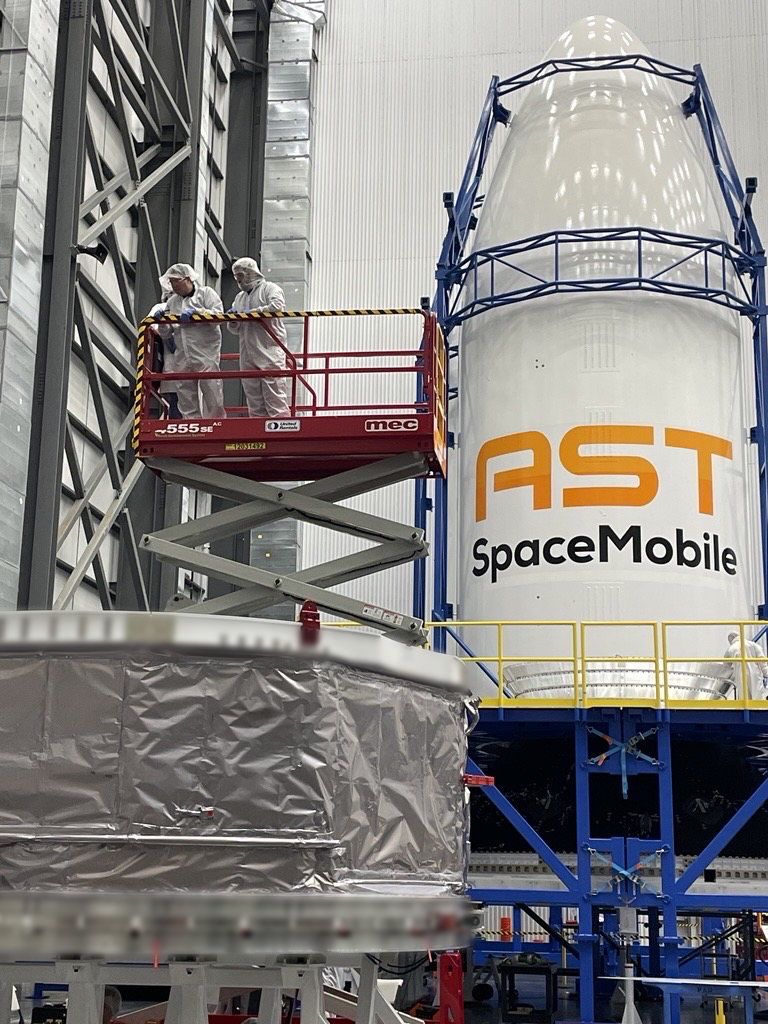
The failed launch of AST SpaceMobile’s BlueBird 7 satellite on Sunday (19 April), highlights the risks of relying on emerging heavy-lift rockets to build out a constellation designed to deliver 4G and 5G signals straight to ordinary smartphones.
For Vodafone, which has bet big on the technology through a joint venture with AST, the delay could push back commercial rollout in the UK and Europe just as regulators greenlit the service and competitors race ahead.
What went wrong?
Blue Origin’s New Glenn rocket lifted off from Cape Canaveral Space Force Station at 07h25 Eastern Time on Sunday (20 April) for its third flight (NG-3). The first stage, flying for the second time and nicknamed “Never Tell Me the Odds”, performed flawlessly, landing on the recovery ship Jacklyn in the Atlantic. It marked Blue Origin’s first successful booster reuse on an orbital mission.
The problem hit during the upper stage burn. Instead of delivering BlueBird 7 to its planned low-Earth orbit, the second stage left the satellite in a lower-than-intended “off-nominal” orbit.
The spacecraft separated from the rocket and powered on, but its onboard electric thrusters lacked the fuel and capability to raise itself to a sustainable altitude. AST confirmed the satellite will be deliberately deorbited to burn up in the atmosphere.
“The cost of the satellite is expected to be recovered under the company’s insurance policy,” AST SpaceMobile said in a statement. BlueBird 7 would have been the company’s eighth satellite deployed into low-Earth orbit.
Vodafone’s space bet
Vodafone has positioned satellite connectivity as a key differentiator after its merger with Three UK created VodafoneThree, the UK’s largest mobile operator by customer base.
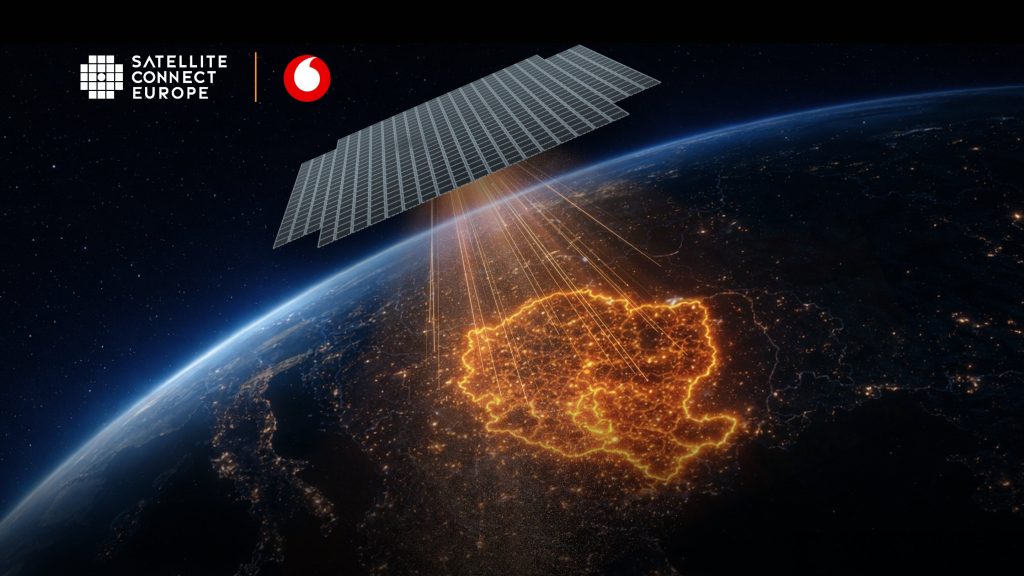
The two companies formed a joint venture called Satellite Connect Europe (SatCo) with AST SpaceMobile in Luxembourg to deliver direct-to-device broadband.
The technology uses massive phased-array antennas on BlueBird satellites to beam cellular signals in the 900 MHz band directly to unmodified phones.
Early tests with the BlueWalker 3 prototype already demonstrated 5G calls and data speeds topping 20 Mbps on narrow channels, enough for voice, text, and basic internet in dead zones. Next-generation BlueBirds aim for peak speeds of 120 Mbps.
Vodafone and AST had planned initial customer trials in the UK this summer 2026, with full commercial service to follow. Ofcom approved the spectrum use just days ago on 15 April. The goal: seamless coverage in rural areas, at sea, and during disasters without customers needing special hardware, potentially a game-changer for Vodafone’s European footprint.
AST’s constellation plan takes a hit – but the company says it’s on track
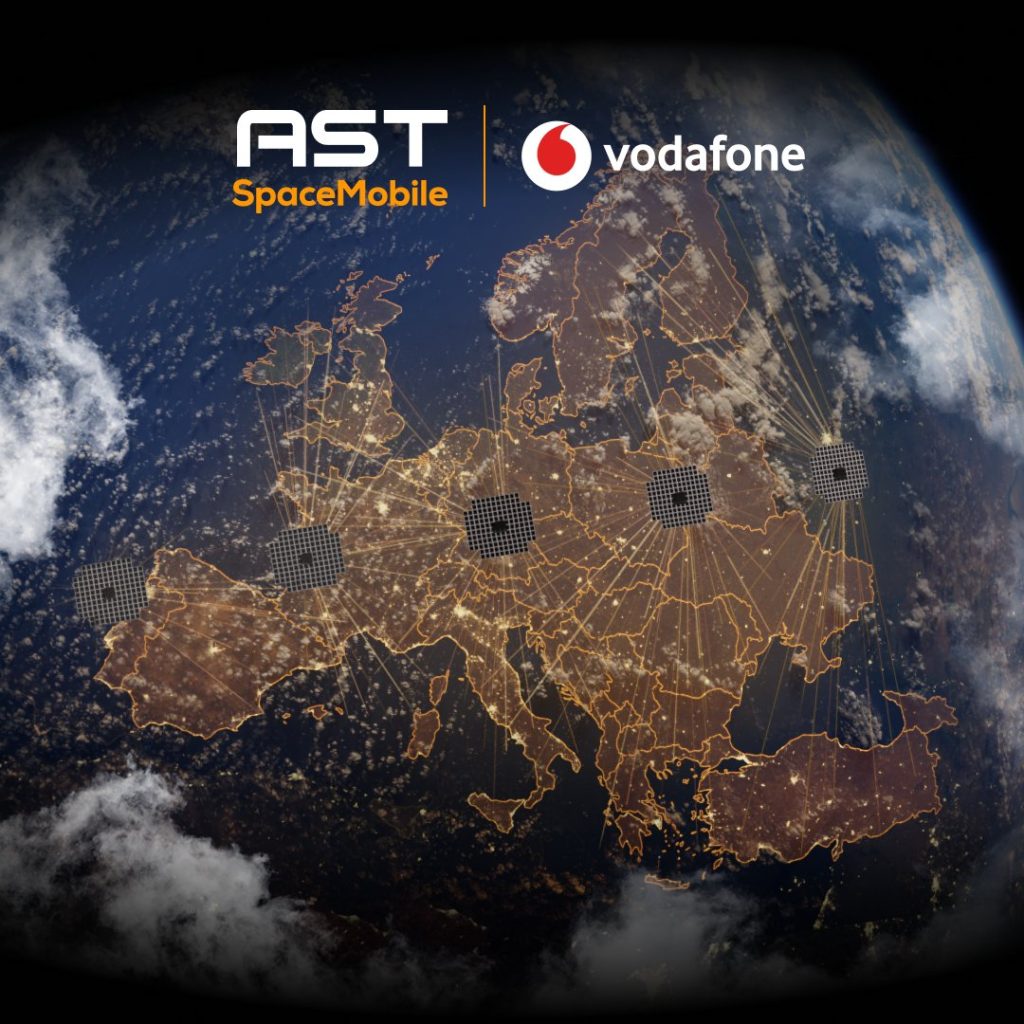
AST currently operates roughly six active satellites. It is in production through BlueBird 32 and expects to ship BlueBirds 8 through 10 within the next 30 days.
The company reiterated its target of launching one to two satellites per month on average throughout 2026 using multiple providers, including SpaceX Falcon 9 rockets, and still aims for 45 satellites in orbit by year-end, enough for continuous coverage in the US and key European markets.
CEO Abel Avellan said on social media that the first stage performed nominally and the booster returned successfully. The setback is isolated to the upper stage.
Blue Origin has not yet detailed the upper-stage failure or confirmed whether the Federal Aviation Administration will require a formal mishap investigation. The incident is the rocket’s first payload-related failure after two prior successful missions.
High stakes
AST’s main US partners include AT&T and Verizon, while Vodafone’s European push competes with Starlink’s direct-to-cell agreement with T-Mobile and other emerging players. Vodafone has already conducted headline-grabbing demos, including the world’s first mobile-to-mobile video call via satellite.
Analysts note that insurance will cushion the financial blow to AST, but repeated launch hiccups could slow momentum and investor confidence. AST SpaceMobile shares dropped more than 13% in pre-market trading Monday.
Vodafone has not issued a public statement on the failure as of Monday morning. The company’s broader satellite strategy remains tied to AST’s constellation ramp-up, with longer-term agreements running through at least 2034.
AST insists the loss of one satellite won’t derail its aggressive 2026 schedule. Multiple launch providers give it redundancy, and the next batch of satellites is already nearing shipment. For Vodafone, however, the clock is ticking on summer trials and the promise of space-based 5G as a competitive edge.