£1,000 fine planned for listening to music or videos without headphones on UK trains

Key Points
- Rail passengers playing audio out loud face fines of up to £1,000
- Staff can remove refusing passengers from trains at the next station
- English local authorities can now issue £100 fines on buses
- Each bus byelaw needs sign-off from the Transport Secretary
- Officers, not bus drivers, will enforce the new bus rules
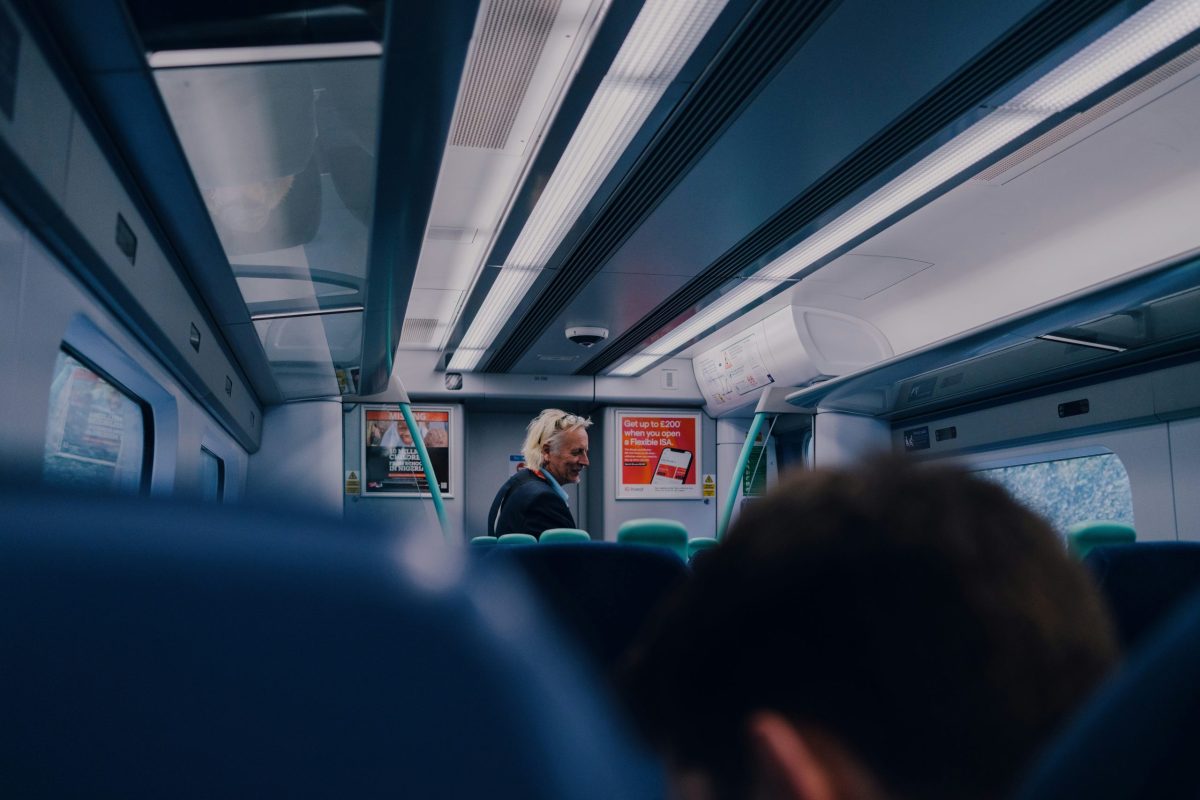
Rail passengers who play music or videos out loud now face fines of up to £1,000, the Department for Transport announced on Monday (19 October).
The department launched a national campaign urging rail passengers to “share the carriage, not the noise”, alongside new £100 fines for nuisance behaviour on buses.
Authorised rail staff can remove passengers who refuse to stop playing audio out loud at the next station, and those passengers can also face prosecution.
The industry-led campaign includes audio reminders of the rules across the rail network.
Most operators will also run the messaging on their websites and social media channels, and through posters and announcements in carriages and at stations.
The campaign replaces the patchwork of separate campaigns that different rail operators currently run, creating one consistent message across the network.
“We’ve all been on the train when someone starts blasting music or videos from their phone,” said Andy Burnham, Prime Minister. “It gets on your nerves and can quickly spoil the journey.”
“So we’re launching a nationwide campaign reminding passengers to use headphones on trains,” Burnham added.
£100 fines on buses
The government also issued guidance to local authorities on new powers to tackle loud music, littering, vaping and threatening behaviour on buses.
Local authorities can now issue fixed penalties of up to £100 to passengers who cause trouble on buses.
The Bus Services Act 2025 gave every local transport authority in England the power to set and enforce its own local rules, and this power came into force on 5 August 2026.
Each byelaw needs sign-off from the Transport Secretary before authorities can enforce it.
Bus drivers will not handle enforcement, with authorised officers such as transport safety officers and the police dealing with incidents instead.
Officers will follow a three-step approach:
- Engaging with the person causing the problem
- Explaining the rules and their impact on other passengers
- Taking enforcement action if the person refuses to comply
“It is so frustrating when the actions of an inconsiderate few spoil journeys for the rest of us, whether that is vaping, littering or blasting music out loud,” said Heidi Alexander, Transport Secretary.
“Even small changes in behaviour can make a massive difference to people’s experience on public transport,” Alexander added.
Richard Parker, Mayor of the West Midlands, said his region’s Safer Travel Partnership and transport safety officers already patrol its buses, trains and trams.
“With this clear guidance and backing from government we can go further with our commitment to making every journey quieter, cleaner and safer for all,” said Parker.
Ben Plowden, chief executive of the Campaign for Better Transport, said antisocial behaviour can deter people from using public transport, especially people with accessibility requirements.
“If these new powers are properly and visibly enforced, they should help everyone feel safe and comfortable on public transport and enjoy the ride,” said Plowden.