Government weighing new £11 monthly internet charge to replace TV licence: report

Key Points
- An £11-a-month broadband levy could replace the £180 TV licence.
- The Social Market Foundation plan is part of the BBC Charter review.
- Lords want the BBC guaranteed prominence on YouTube and TikTok.
- Weekly broadcast TV reach fell from 92% in 2015 to 54% in 2025.
The TV licence could be replaced by an £11-a-month charge on home broadband bills, the i has reported.
The plan was drawn up by the Social Market Foundation (SMF), a cross-party think tank with influence among ministers.
At £132 a year, the internet levy would cost nearly £50 less than the current £180 licence fee.
According to the i, ministers will consider the proposal as one of several options in the Government’s ongoing review of the BBC Charter.
The Government is due to set out its plans for the BBC in a Charter Review White Paper later in 2026.
Lords want BBC content pushed on YouTube
The House of Lords Communications and Digital Committee wrote to Culture Secretary Lisa Nandy on 18 September ahead of the White Paper.
It said the Government should legislate to guarantee prominence for BBC content on video-sharing platforms if voluntary deals with those platforms fall short.
The committee called on the Government to define minimum outcomes for these agreements, set a deadline for meeting them and instruct Ofcom to assess progress.
“We are not convinced that voluntary agreements alone will provide a consistent and sustainable solution,” the committee said in its letter.
Broadcast TV reached 92% of people in the UK each week in 2015, falling to 54% in 2025, according to Ofcom.
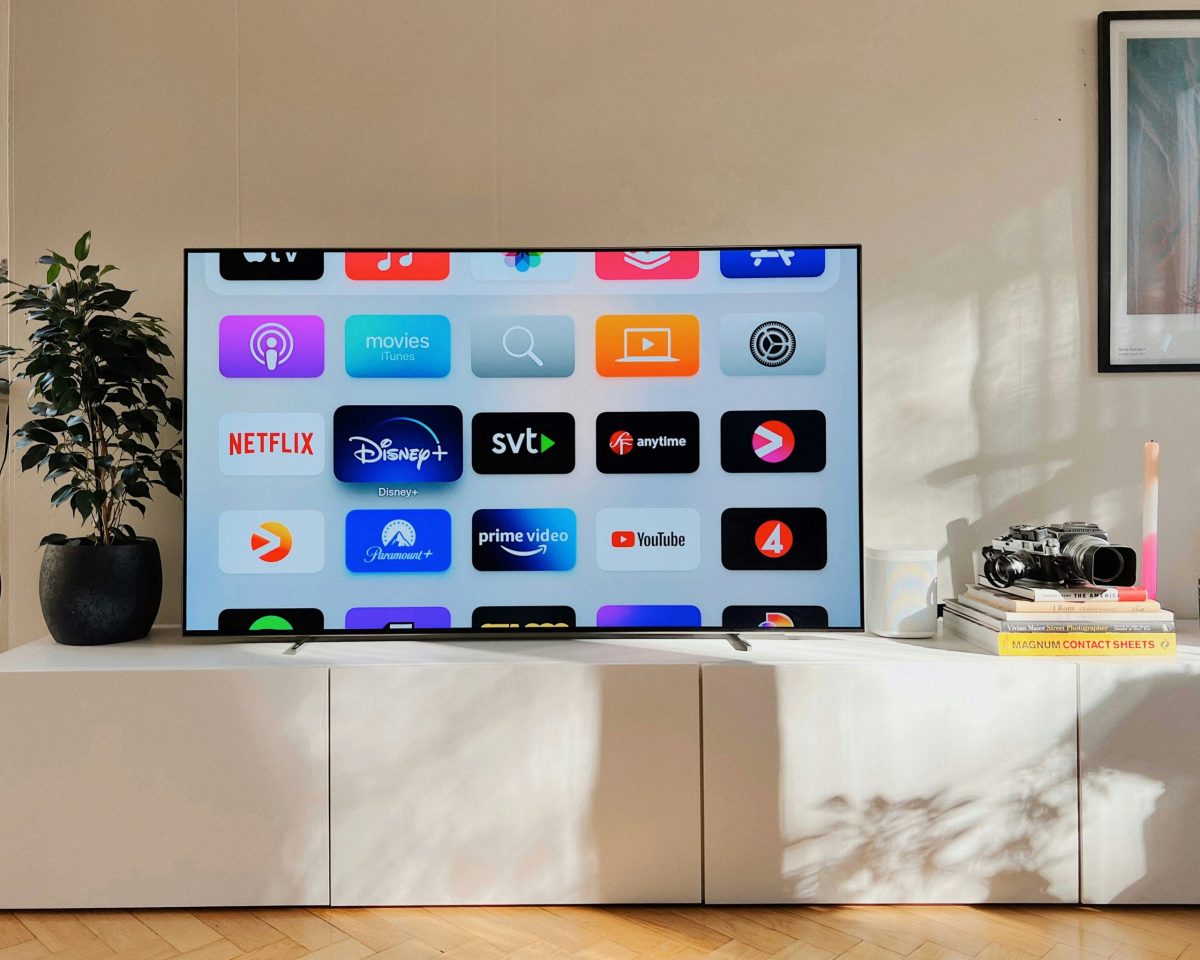
Video-sharing platforms accounted for 44% of in-home viewing among 16 to 24-year-olds in 2025.
Children aged four to 15 watched an average of 61 minutes of YouTube every day over the same period.
The BBC signed a partnership with YouTube in January 2026 to make content specifically for the platform, aimed mainly at younger viewers.
BBC Director-General Matt Brittin told the committee that the broadcaster needed to follow its audience onto platforms including Spotify, Netflix and TikTok.
The committee said that being present on a platform does not guarantee that viewers will find the content.
Ofcom found that public service broadcasters made up just 6% of the top ten results for a sample of popular news searches on YouTube.
Magnus Brooke, group director of strategy, policy and regulation at ITV, told the committee that the Media Act 2024 left a gap in the rules.
He said protections for public service broadcasters on smart TVs and streaming sticks do not extend to the major video-sharing platforms.
The Government’s Watch this Space Green Paper, published in June 2026, favoured voluntary industry agreements, with legislation held in reserve if those fail.
Tech industry groups the Chamber of Progress and the Computer & Communications Industry Association pushed back against the idea in consultation responses.
They argued that forcing platforms to prioritise government-picked channels could reduce consumer choice and crowd out independent creators.
The committee asked the Government to respond to its recommendations within one month.