Warning over ‘dystopian’ surveillance in London train stations

Key Points
- Big Brother Watch has warned of 'dystopian' surveillance in London as live facial recognition cameras are trialled in TfL stations.
- LFR cameras use AI to scan faces in real time and compare them against a predetermined watchlist.
- Big Brother Watch Director Silkie Carlo has condemned the trial, arguing that the technology is error-ridden and treats the public like suspects.
- The use of LFR technology is expanding across London, with the Metropolitan Police recently announcing the rollout of lamppost-mounted cameras in the capital's crime hotspots.
Civil rights advocacy group Big Brother Watch has condemned the installation of Live Facial Recognition (LFR) cameras in London train stations, calling the expansion of this surveillance technology ‘dystopian’.
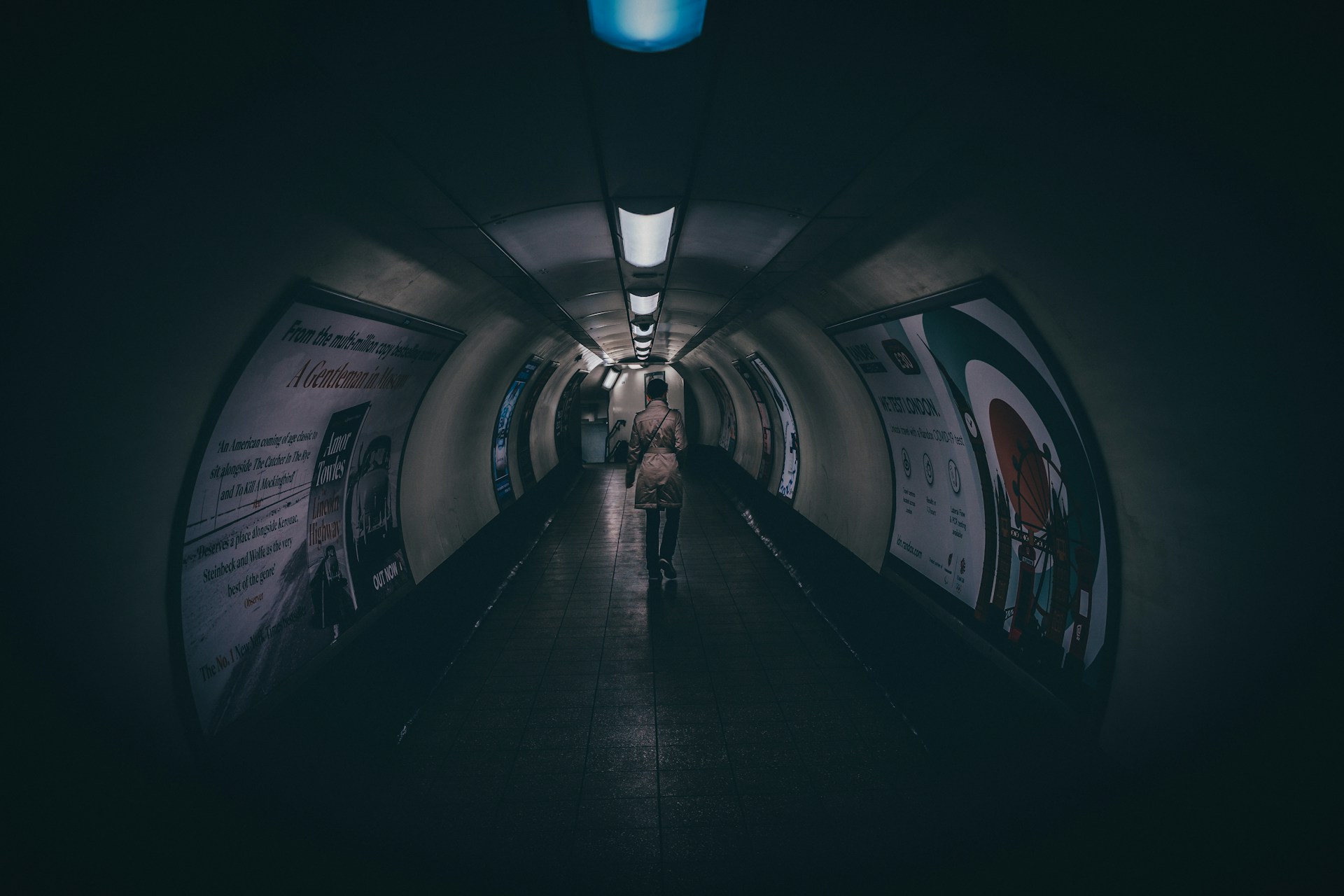
Transport for London (TfL) and British Transport Police (BTP) recently announced they would be conducting a joint trial of LFR surveillance at TfL stations, starting with Victoria Underground Station on Tuesday 11 August 2026.
LFR technology uses artificial intelligence (AI) to compare a live camera feed of faces against a predetermined watchlist in real time.
BTP says that while the cameras do scan and compare the faces of everyone they surveil when deployed, they automatically and immediately delete those who do not match any one on the watchlist.
However, Big Brother Watch Director Silkie Carlo, argues the rollout of further LFR deployments is not necessarily effective and risks making pervasive surveillance the norm in the UK.
“This is a disturbing and dystopian expansion of live facial recognition that will capture millions of innocent people’s faces,” Carlo told HotMinute.
“Far from reserving this for exceptional cases, British police are now using live facial recognition routinely in the sort of pervasive way you might expect in China but not in a democracy.”
The failure of previous LFR trials at train stations
BTP have previously tested this technology at London train stations, where LFR cameras scanned more than a million faces of customers travelling on public transport. The results were unimpressive: just one face was matched against a watchlist, and that was a false positive.
Carlo believes there is no justification for rolling out ‘dystopian’ technology which has proven to have little effect in bringing criminals to justice when deployed at train stations.
“This is error-ridden, AI surveillance technology that treats the public like suspects and turns us into walking ID cards,” she said.
“In British Transport Police’s trials this year, they achieved a 100% fail rate, checking over half a million commuters’ faces only to trigger one alert which was a misidentification.”
“British Transport Police should get back to proper policing and stop using AI surveillance tech that belongs in dystopian fiction.”
LFR camera operations across London
This comes as the Metropolitan Police is also expanding its use of LFR cameras in policing operations across the capital.
In June, the Met said that it would begin to roll out static LFR cameras mounted on lampposts in crime hotspots across London. These cameras do not require a van nearby and can be operated from a more distant regional hub, allowing for remote surveillance of people in London to be conducted more efficiently.
The rollout of these static LFR cameras followed a trial conducted in Croydon earlier this year, where lamppost-mounted cameras led to the arrest of more than 170 people, with an arrest being made every 34 minutes the cameras were in operation.
The Met believes there is public confidence in the use of LFR cameras to curb crime in the capital, and cites the success of these pilot schemes as it expands the deployment of the technology.
Of those who object to the use of the technology, which include Big Brother Watch, many believe that it amounts to surveillance of the innocent as well as a violation of civil liberties, or even the right to privacy.
The Met maintains that each LFR deployment uses a bespoke, intelligence-led watchlist created no more than 24 hours beforehand, which is then deleted immediately after the deployment concludes.