Live facial recognition cameras now on the London Underground

Key Points
- Live facial recognition cameras are being operated on selected TfL stations as part of a trial to test the surveillance technology.
- LFR cameras use AI to scan live faces from a camera feed and compare them against a BTP watchlist of offenders.
- Where LFR cameras are rolled out to TfL stations, there will be signage indicating that the operation is in progress.
- The first deployment will take place on Tuesday 11 August in Victoria Underground station.
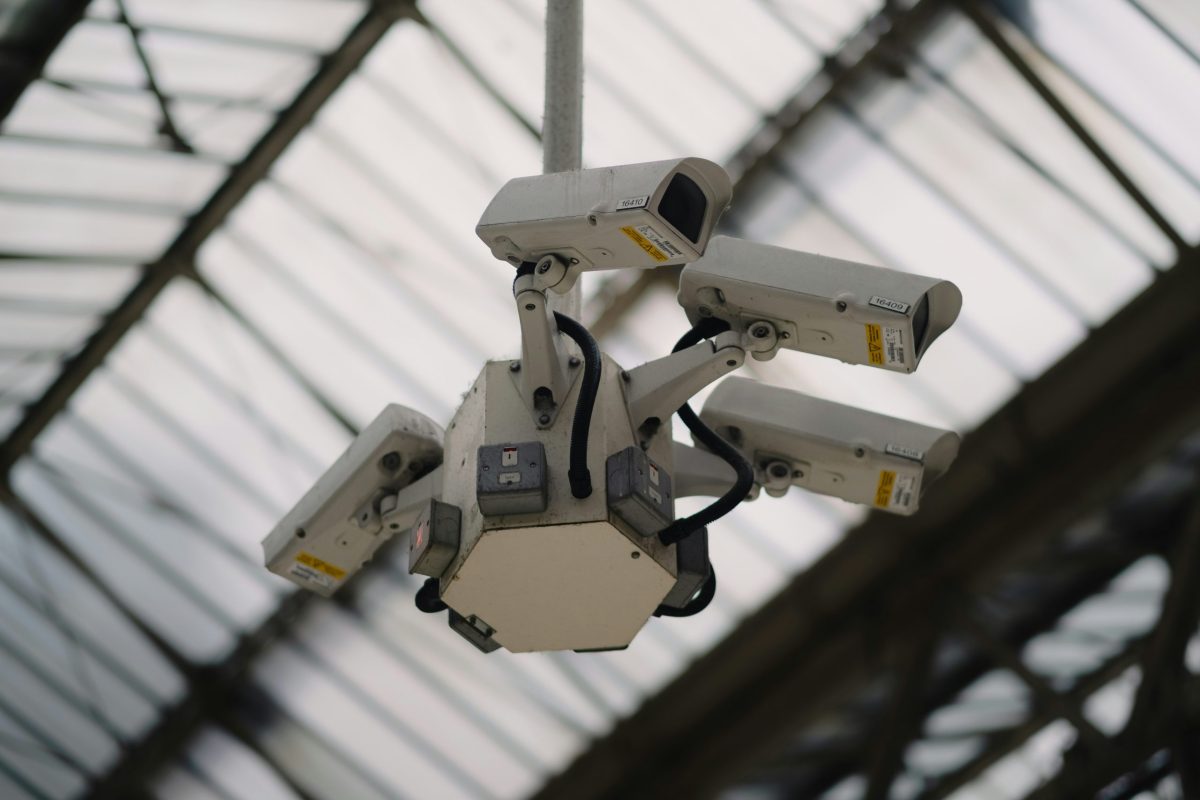
British Transport Police (BTP) has begun trialling Live Facial Recognition (LFR) on the London Underground, using AI-assisted surveillance cameras to scan customers’ faces in real time.
As part of the trial, LFR cameras will be installed at selected Transport for London (TfL) stations. The first deployment will see LFR cameras installed at London Victoria station on Tuesday 11 August.
The goal of the trial is generate alerts for when the live-scanning cameras detect people who are on an authourised BTP watchlist due to their links for offences including robbery, knife crime, and sexual assaults.
LFR technology uses artificial intelligence (AI) to compare a live camera feed of faces against a predetermined watchlist. It is used to locate and identify people who are of interest by generating an alert when a match is found.
TfL said that while faces are scanned in real time by the cameras and compared against a database, those who are not a match will have their image deleted automatically as they continue their journey.
BTP will choose where to roll out the new LFR cameras based partly on an analysis of crime data, stating that they will be placed where they will have the biggest impact.
Where LFR cameras are in operation at TfL stations, there will be signage indicating that customers are being surveilled by the system. TfL said that the deployment complies with the relevant legal and regulatory frameworks, and that it assess the potential further rollout of the technology based on the impact of the trial.
This rollout forms part of TfL’s initiative to tackle violence against women and girls on its network.
The company said that 77% of 13-to-16 year-old girls it surveyed had experienced unwanted sexual behaviour on a journey involving public transport in the previous 12 months. 40% said they had chosen not to make a journey using public transport because they felt unsafe.
“Tackling violence against women and girls and preventing sexual offending on our network remains a key priority,” said TfL Director of Security, Policing, and Enforcement Siwan Hayward.
“Live facial recognition has the potential to be a powerful additional tool in helping police quickly identify those wanted for high-harm offences, including sexual offences, and supports early intervention and helps stop incidents before they happen.”
“This trial is an important step in understanding how this technology can be used on the London Underground in a targeted, proportionate way with strict safeguards in place. We will be monitoring and assessing the impact of LFR through this trial over the next four months,” he said.