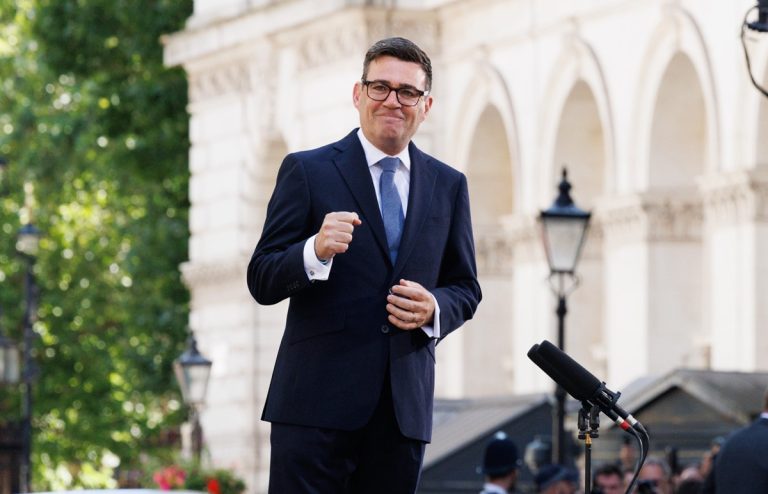
Burnham is coming for your subscriptions and gym memberships
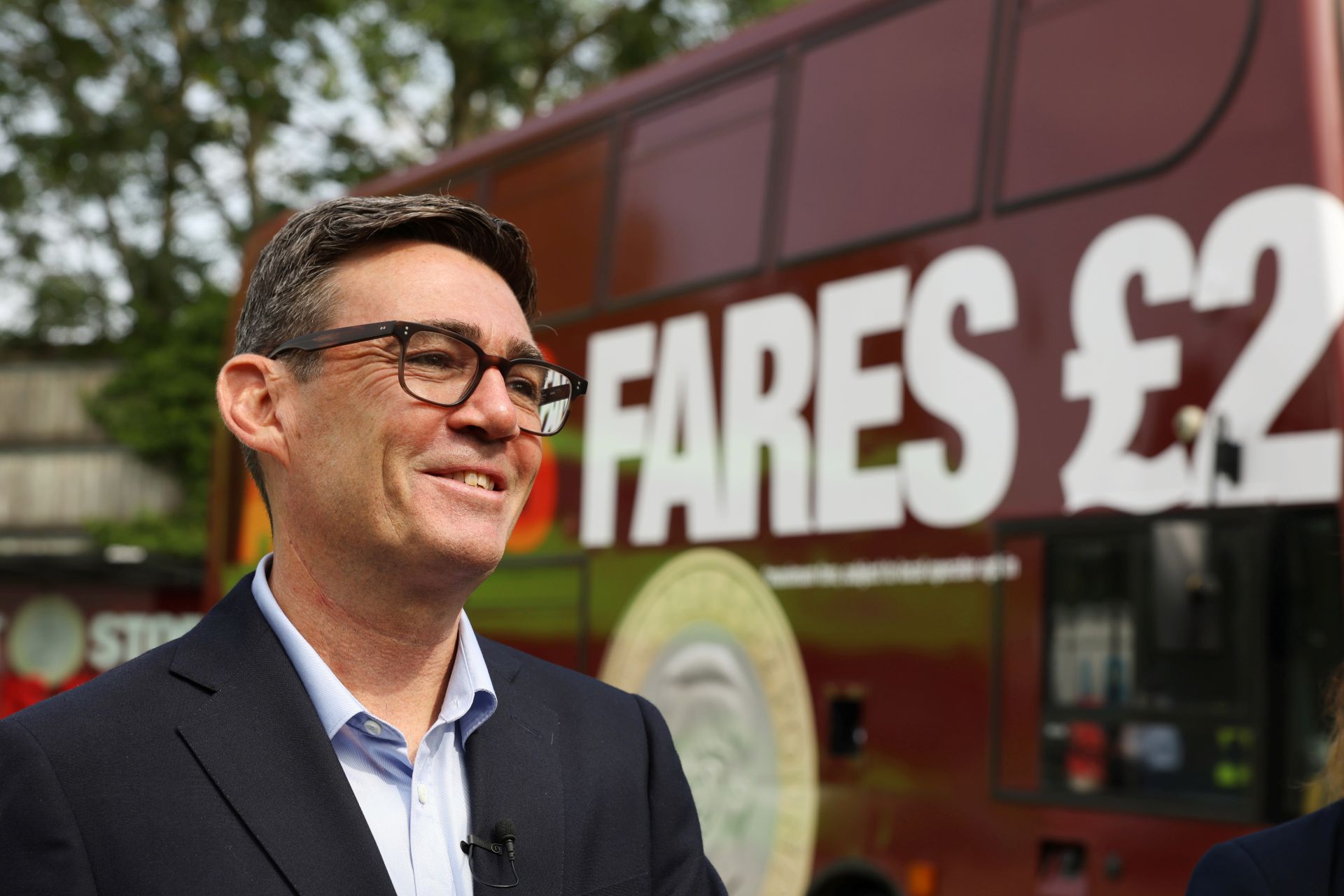

Key Points
- New subscription rules come into force in January 2027, requiring clearer up-front information, renewal reminders and an easy exit
- A 14-day cooling-off period will let customers cancel after a trial converts or a contract renews
- The government estimates a saving of £14 a month for every unwanted subscription
- A consultation this autumn will consider banning fake "was" prices, invented discounts and misleading RRPs
- Charitable memberships for cultural and heritage organisations are excluded from the subscription rules
New rules forcing businesses to make subscriptions easy to cancel will come into force in January 2027, alongside a fresh crackdown on misleading discounts.
Prime Minister Andy Burnham announced both measures on Sunday (9 August) as the first of a series of “everyday fixes” aimed at the cost of living, following week-one action to cap bus fares and cut energy bills.
The subscription rules will require businesses to give clearer up-front information, send regular reminders before a contract renews, and provide a straightforward route out of a contract.
A new 14-day cooling-off period will also allow customers to cancel after a free trial converts or a long-term contract renews. The government puts the saving at an average of £14 a month for every unwanted subscription.
There are around 155 million active subscriptions in the UK, and consumers spend an estimated £1.6 billion a year on ones they do not want. Citizens Advice previously found that more than 13 million people, or 26% of UK adults, took out a subscription accidentally over the course of a year.
The rules exclude certain charitable memberships for cultural and heritage organisations, which the government says play a unique role in preserving and opening up access to the nation’s history, landscapes and collections.
Businesses that already give plenty of notice before renewal and make cancellation simple will see little change. New rules forcing businesses to make subscriptions easy to cancel will come into force in January 2027, alongside a fresh crackdown on misleading discounts.
Prime Minister Andy Burnham announced both measures on Sunday (9 August) as the first of a series of “everyday fixes” aimed at the cost of living, following week-one action to cap bus fares and cut energy bills.
The subscription rules will require businesses to give clearer up-front information, send regular reminders before a contract renews, and provide a straightforward route out of a contract.
A new 14-day cooling-off period will also allow customers to cancel after a free trial converts or a long-term contract renews. The government puts the saving at an average of £14 a month for every unwanted subscription.
There are around 155 million active subscriptions in the UK, and consumers spend an estimated £1.6 billion a year on ones they do not want.
Citizens Advice previously found that more than 13 million people, or 26% of UK adults, took out a subscription accidentally over the course of a year.
The rules exclude certain charitable memberships for cultural and heritage organisations, which the government said play a unique role in preserving and opening up access to the nation’s history, landscapes and collections.
Businesses that already give plenty of notice before renewal and make cancellation simple will see little change.
Misleading discounts face a separate consultation
The government will also consult this autumn on banning pretend prices and deceptive deals, targeting practices such as fake “was” prices, invented discounts and misleading recommended retail prices.
Shoppers have increasingly complained about retailers inflating prices only to advertise a discount immediately afterwards, making savings look larger than they are. In some cases the discounted price matches the price charged before the discount.
Adding these tactics to the list of practices banned under the Digital Markets, Competition and Consumers Act would make them automatically unfair, removing the current difficulty enforcers face in bringing cases.
“I know people are sick and tired of rip-off discounts and subscription traps,” said Andy Burnham, prime minister. “We’re putting an end to phoney bargains. If something is advertised as half price, it should actually be half price. We’re also making it as easy to leave a subscription as it is to join.”
“There’s nothing worse than realising you’ve been fleeced by a dodgy deal, or seen money leaving your account because of a subscription you didn’t want to renew or couldn’t easily cancel,” said Jonathan Reynolds, business, innovation, science and trade secretary.
Consumer group Which? said regulators have often found these cases too difficult to pursue.
“The government must implement these rules swiftly to give consumers much-needed protection against sneaky pricing tactics and hold businesses to account with tough enforcement, including fines, if they fall short,” said Sue Davies, head of consumer rights policy at Which?.
“For too long consumers have been tricked into paying for products or services they don’t use – or didn’t even want to begin with – costing millions of pounds each year,” said Clare Moriarty, chief executive of Citizens Advice. “Today’s announcement is an important move, but it can’t be the end of the story.”
Helen Undy, chief executive of the Money and Mental Health Policy Institute, said the changes matter most for people who struggle to compare prices or track sign-ups.
“Subscription traps and misleading discounts are only the tip of the iceberg when it comes to unfair practices that make it harder to get a fair deal when you’re struggling with your mental health,” she said.