Brits are being fined for sunglasses that are too dark – what you should know

Key Points
- The RAC warns that category four sunglasses are unsuitable for driving and can be illegal at the wheel.
- Section 96 of the Road Traffic Act 1988 carries a fine and three penalty points where eyesight falls below the legal standard.
- Rule 94 of the Highway Code advises against tinted lenses at night or in poor visibility.
- Category two and three lenses are the safest choice for daytime driving in the UK.
- Sunglasses that stop a driver spotting hazards can also count as careless or dangerous driving.
Drivers wearing category four sunglasses risk a fine and three penalty points, the RAC has warned, as the UK faces its fourth heatwave of the summer.
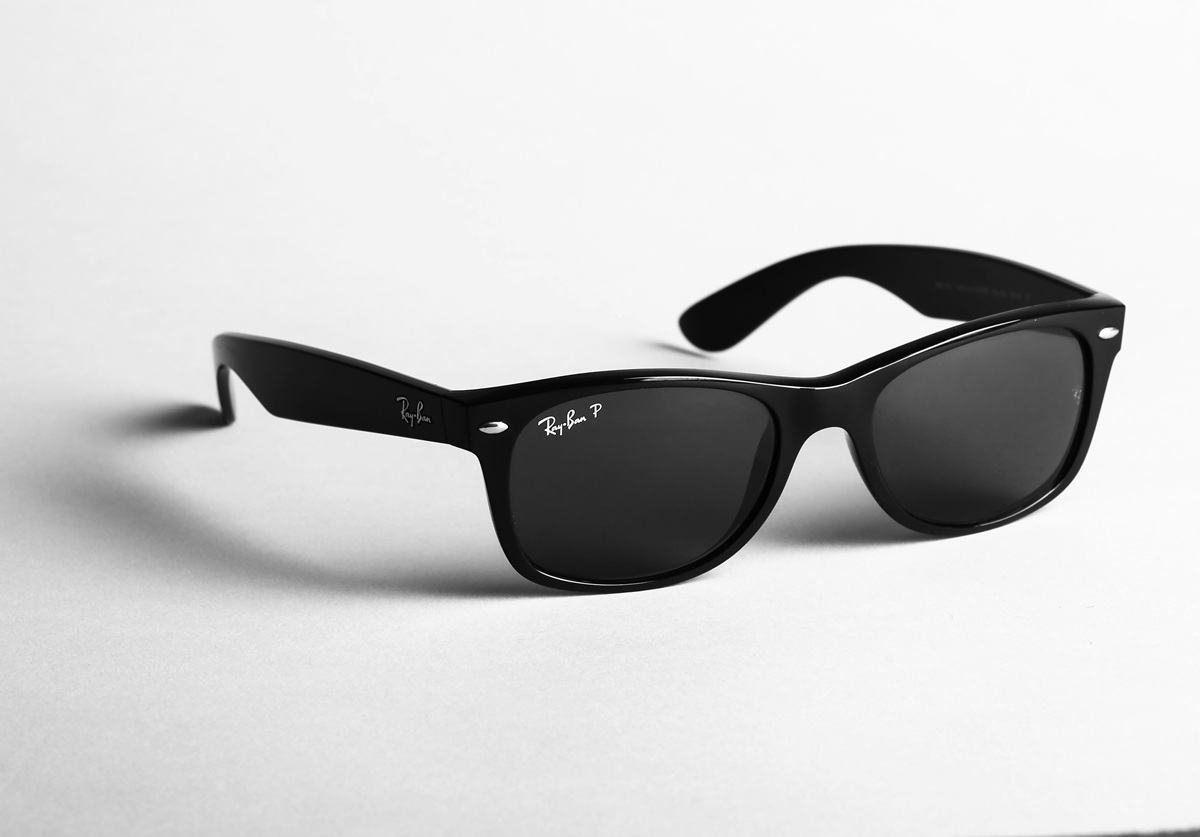
Sunglasses carry a rating on the Visible Light Transmission scale, printed on the label or packaging, running from category one through to category four.
Category four lenses let in only a very small percentage of daylight and impair vision behind the wheel, which makes them unsuitable for driving. Some tinted lenses also cause problems in low light, including the sudden drop in light levels during an unexpected thunderstorm.
Section 96 of the Road Traffic Act 1988 makes it an offence to drive when eyesight falls below the required legal standard, carrying a fine and three penalty points. That covers any situation where lenses compromise vision, including overly dark sunglasses that stop a driver meeting the eyesight rules.
Rule 94 of the Highway Code advises against tinted glasses, lenses or visors at night or in poor visibility where they restrict how well the driver sees. Sunglasses that reduce a driver’s ability to spot hazards or other road users can also amount to careless driving, or dangerous driving in more serious cases.
Which category are you allowed to wear?
Category three sunglasses suit daytime driving best, offering sun protection without the darkness that puts the driver and other road users at risk.
Category two lenses strike a balance between glare protection and visibility and also work well in daylight, though drivers should avoid them at night and in other low-light conditions.
Category one lenses are legal for daytime driving but reduce glare only modestly, as manufacturers design them for low levels of sunlight.
“Most of us will be reaching for our sunglasses this week, but many will not realise that the darkest of shades could be unsuitable for driving, and even illegal in the case of category four sunglasses,” said Harriet Hernando, policy officer at the RAC.
“We urge drivers to check their sunglasses, especially if they are normally used for extremely bright conditions, such as high-altitude mountain environments. These will be unsafe for driving, could impair your vision and even lead to a fine and penalty points.”