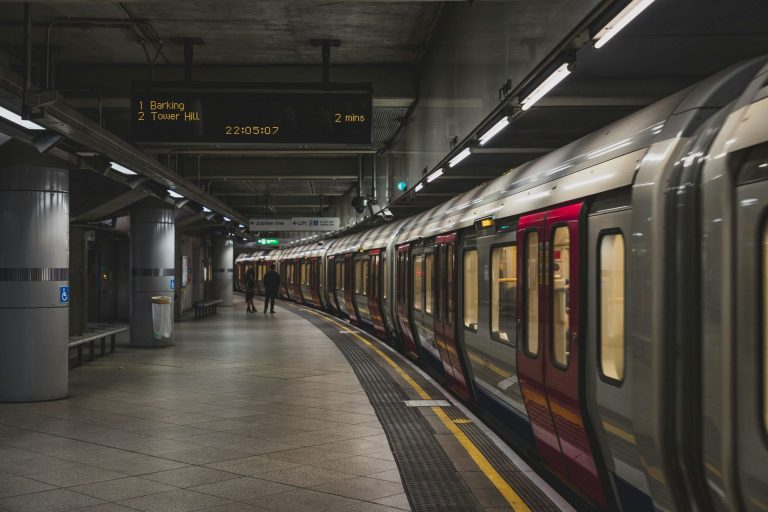
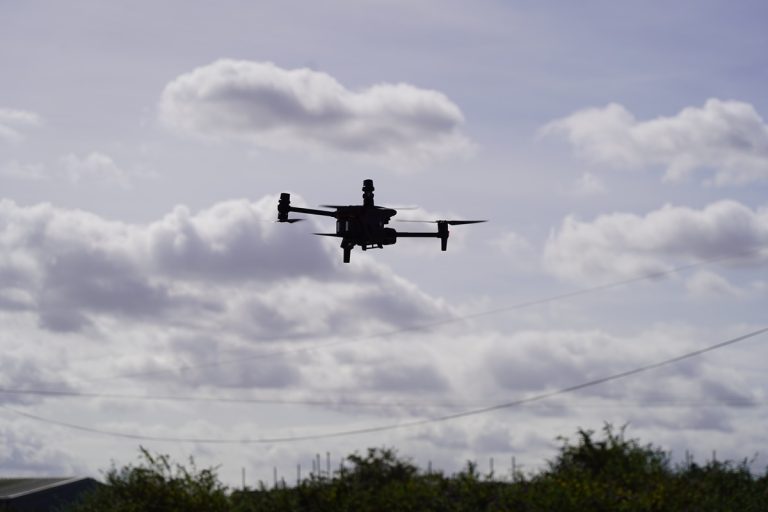
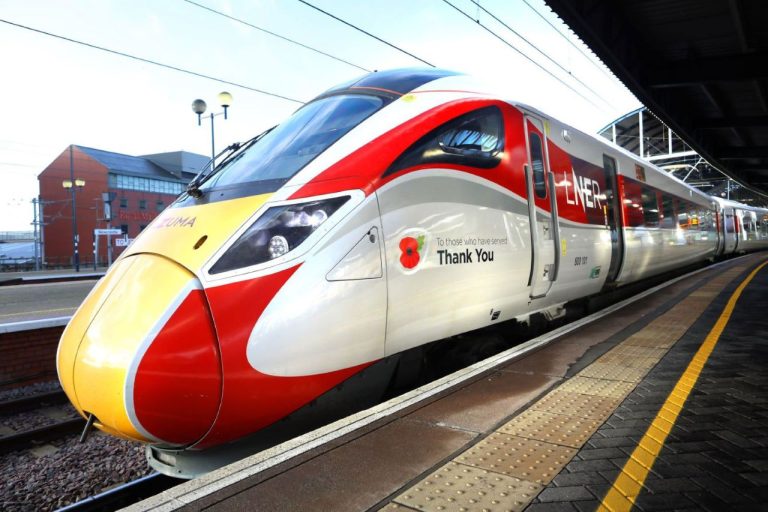
Police drones now flying using mobile signal in the UK

Key Points
- BTP is the first UK force to routinely fly drones over a mobile network
- BT's Drone SIM on EE carries the command link and UHD video at altitude
- Seven drone-in-a-box stations are flown remotely from London Bridge
- BTP plans up to 14 stations within two years across 20,000 miles of railway
- BT is engaged with other police forces and sectors on the same technology
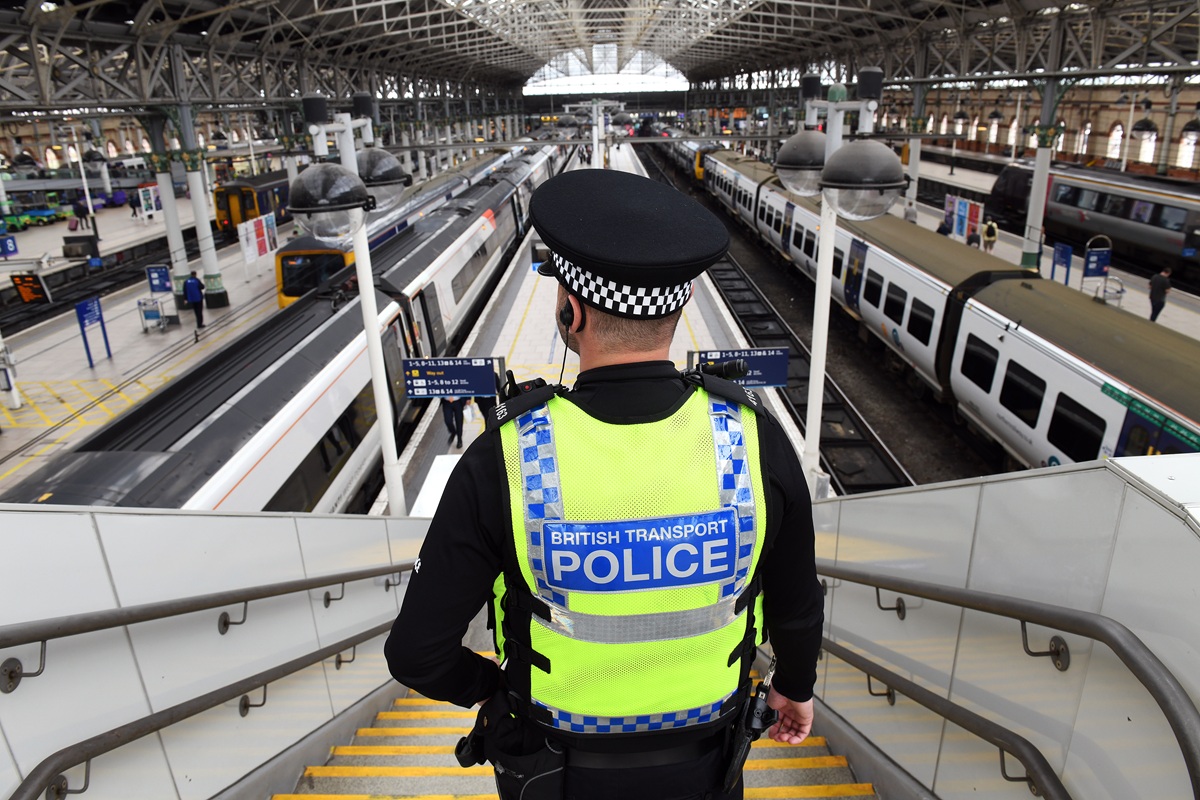
British Transport Police (BTP) has become the first UK force to routinely fly drones over the EE mobile network, launching them from seven remote stations and controlling them from an operations centre at London Bridge.
BT announced the rollout on Wednesday (16 September), with the force flying the drones beyond the pilot’s line of sight using the firm’s Drone SIM product for the command link.
The SIM connects each drone to the EE network at altitude and carries both the control signal and a live ultra-high-definition video feed back to the operator in London.
BT said the link holds in areas with no Wi-Fi and in locations with heavy radio interference, which covers much of the remote track BTP polices.
Drones flown beyond visual line of sight (BVLOS) have traditionally relied on dedicated radio links or a pilot within range, which has limited how far they can travel from their launch point.
Running the flight over a mobile network means the drone stays connected anywhere with EE coverage, and the operator does not need to be anywhere near the aircraft.
Each of the seven stations holds a drone in a sealed “drone-in-a-box” unit at a fixed point along the railway, and an operator can launch it and fly it to an incident without anyone on site.
BTP plans to grow the network to as many as 14 stations over the next two years, and the force covers more than 20,000 miles of railway.
Network Rail recorded more than 19,300 trespass incidents on the network in 2023/24, which works out at roughly one every 30 minutes.
Officers have typically had to travel long distances before they could see what was happening at a remote incident and decide how to respond.
The drones give officers and rail operators a live aerial view before anyone arrives, which BT said cuts decision times, improves officer safety and helps clear disruption for passengers sooner.
BTP started using the drones as part of routine operations earlier this year.
“As the first UK police force to routinely operate BVLOS drones as part of day-to-day policing, we are transforming the way we respond to incidents across the rail network,” said Simon Bachelor, Head of Drones Programme at British Transport Police.
“Real-time aerial intelligence enables our teams to assess situations faster, deploy resources more effectively and improve safety for both officers and the public.”
“Together we’re delivering clear benefits for both passengers and rail operators, by giving officers real-time intelligence, improving safety and helping the rail network respond more quickly when incidents occur,” said Sian Penny, Public Safety & Justice Director at BT.
Dave Pankhurst, Innovation Director, Connected Solutions at BT, told HotMinute the firm is engaged with other individual police forces across the country, alongside organisations in agriculture, infrastructure inspection, energy and logistics.
“While we can’t comment on specific customers, we are working with a range of organisations exploring advanced drone operations and connectivity-enabled drone use cases, across sectors including agriculture, infrastructure inspection, energy and logistics,” said Pankhurst.
He added that the drones will eventually operate across the full 20,000 miles of railway and establish a new operating model for policing.