Flying taxis coming to UK skies from 2029

Key Points
- The Department for Transport has awarded £7.3 million to 8 companies developing zero-emission flight, as part of a wider £43 million package for next-generation aviation technology.
- Projects involving Vertical Aerospace and Beta Technologies will receive up to £3.2 million to demonstrate how their electric aircraft can operate inside commercial airports.
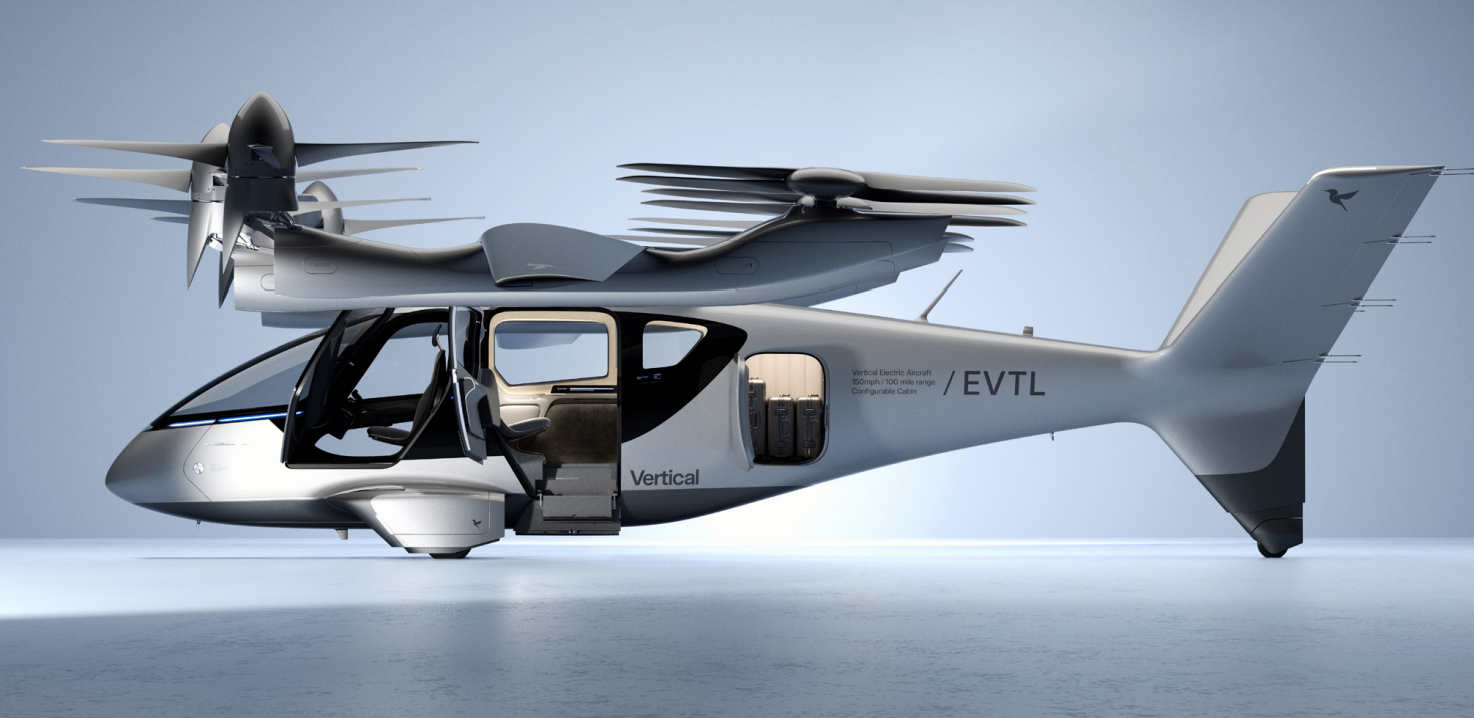
- Vertical Aerospace is targeting passenger flying taxi services by 2029, after showing its 6-seater aircraft and announcing a UK manufacturing contract at Farnborough.
- The funding sits alongside a £46.5 million drone package announced in May, with Amazon already running delivery drone trials in Darlington.
- The government has committed £2.3 billion to the Aerospace Technology Institute Programme over the next decade.
Flying taxis carrying paying passengers could operate in UK skies by 2029, after the Department for Transport awarded £7.3 million to eight companies developing electric and hydrogen-powered aircraft on Thursday (23 July).
The money will fund infrastructure that lets zero-emission aircraft operate from UK airports, including electric charging for aircraft that could serve future flying taxi services, and hydrogen storage. It forms part of a wider £43 million government package for next-generation aviation technology.
The most eye-catching awards go to projects involving Bristol-based Vertical Aerospace and US electric aircraft maker Beta Technologies, which will receive up to £3.2 million to demonstrate how their next-generation aircraft can fit into commercial airport operations.
A 2029 timeline
Vertical Aerospace showed off its six-seater electric aircraft at the Farnborough International Airshow this week, alongside a new UK manufacturing contract supporting highly skilled jobs in the South West. The company is targeting passenger services by 2029.
Government-backed research from the University of Birmingham, published the same day as the funding announcement, found that flying taxis could improve connectivity, support economic growth and help deliver cleaner aviation across the UK.
Transport Secretary Heidi Alexander said the next generation of flight is taking off in the UK.
“By powering up electric and hydrogen-powered planes, we’re bringing passengers closer to the flights of the future – while creating skilled jobs, backing UK businesses and spreading economic growth to all 4 corners of the country,” she said.
The announcement builds on a £46.5 million investment in flying taxis and drones unveiled in May, aimed at making drone medical deliveries a reality, assisting police forces, and opening the door to commercial delivery drones. Amazon is already running delivery drone trials in Darlington.
Where the rest of the money is going
The eight funded projects cover a range of research on hydrogen and electric aircraft, including the safe handling of both aircraft types at airports.
On hydrogen, the Civil Aviation Authority published the latest findings of its DfT-funded Hydrogen Challenge earlier this week, setting out progress on introducing hydrogen safely as a zero-emission aviation fuel.
The £1.9 million programme brought together Rolls-Royce, EasyJet and Exeter Airport to work through the practical challenges of hydrogen-powered flight.
A further £2.5 million will flow into the programme before March 2027, funding projects that use hydrogen to power ground vehicles, decarbonise airport operations, and test a hydrogen-powered jet engine suitable for commercial jets.
The aerospace and aviation sector is worth £20 billion to the UK economy, and the government has stacked several funding commitments behind its net zero by 2050 target.
These include a £2.3 billion commitment over the next decade to the Aerospace Technology Institute Programme, which backs research including AI aircraft optimisation, and a £219 million low-carbon fuels fund announced last month to boost sustainable aviation fuel production.
The government expects the fuels fund to support 15,000 jobs and add £5 billion to the economy by 2050.