Rough sleeping no longer a crime in the UK

Key Points
- Vagrancy Act repealed Monday 29 June 2026, ending 1824 law
- Criminalised rough sleeping and begging for over 200 years
- Part of National Plan to End Homelessness, backed by £3.6bn
- New Crime and Policing Act 2026 offences target organised begging gangs
- £39bn pledged for social and affordable housing over ten years
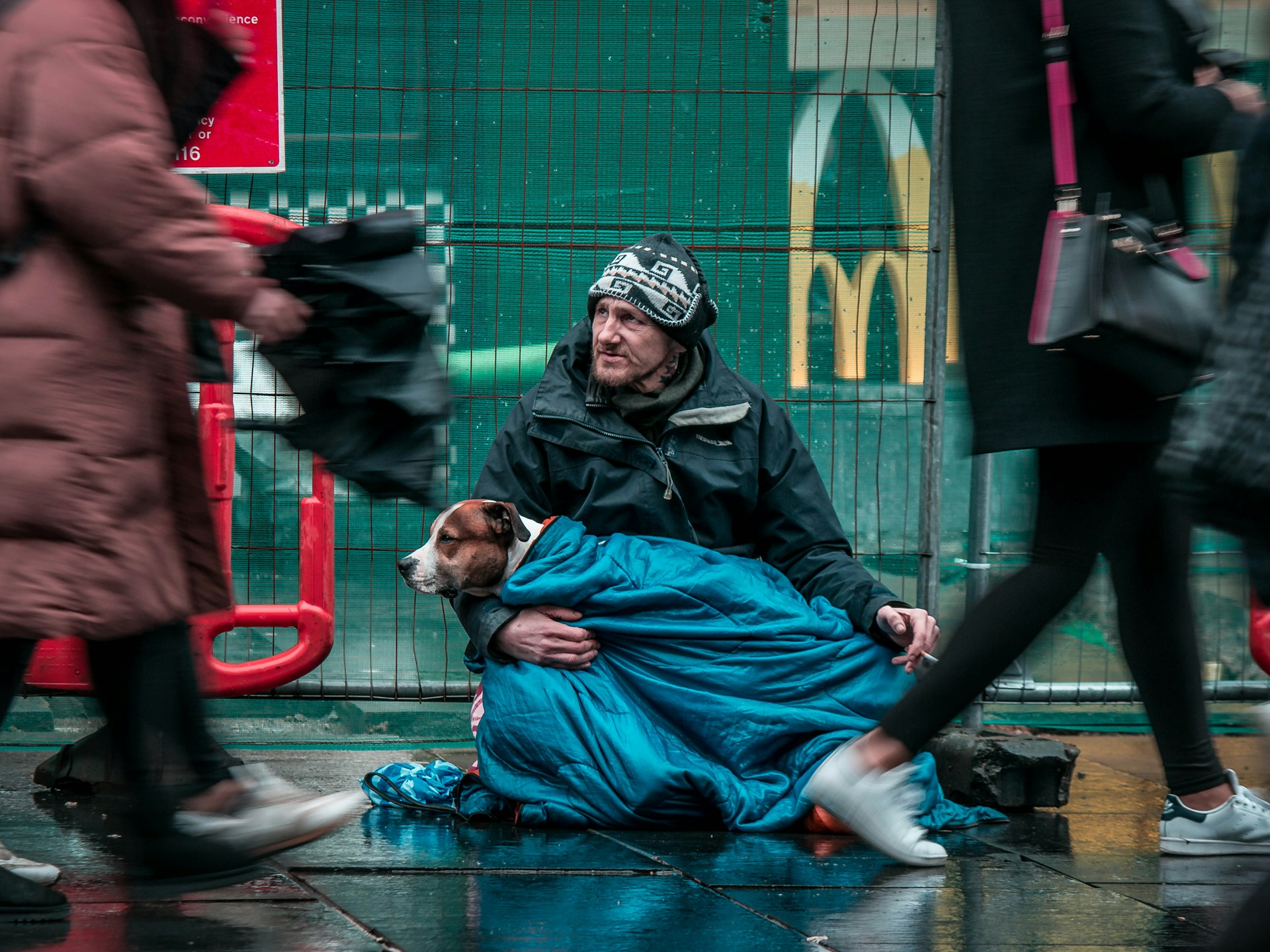
The government will repeal the Vagrancy Act on Monday (29 June), ending legislation introduced in 1824 that criminalised rough sleeping and begging in England and Wales.
The Ministry of Housing, Communities and Local Government confirmed the repeal would take effect on Monday, removing a law that has been in force for more than 200 years.
The Act was introduced in 1824 in response to rising homelessness following the Napoleonic Wars and the Industrial Revolution. While its use has declined, the department said it is still sometimes used to move people on rather than address the causes of a person’s homelessness.
The repeal forms part of the National Plan to End Homelessness, which is backed by £3.6 billion over the next three years. The plan aims to halve long-term rough sleeping and end the unlawful use of bed and breakfast accommodation for families by the end of the Parliament.
Housing Secretary Steve Reed said homeless people are not criminals but people who need help. Reed said the repeal shifts the approach from punishment to prevention, alongside investment to tackle homelessness.
Homelessness Minister Alison McGovern said repealing the Act reflects a modern understanding of homelessness. McGovern said the government is focusing on providing support, preventing homelessness and helping people rebuild their lives.
The government said existing powers remain in place to tackle antisocial behaviour, including under the Anti-Social Behaviour, Crime and Policing Act 2014, which it said is used where behaviour causes harassment or distress rather than for being homeless. Statutory guidance will be updated to ensure the powers are used appropriately.
New offences in the Crime and Policing Act 2026 will target organised begging gangs, those who exploit others for financial gain, and trespass linked to criminal activity.
The National Plan to End Homelessness includes a £159 million grant for supported housing aimed at getting more than 2,500 people across England off the streets, a £37 million Ending Homelessness in Communities Fund supporting voluntary, community and faith groups, and a £15 million Long-Term Rough Sleeping Innovation Programme targeting 28 areas facing the greatest pressures.
A further £950 million is allocated to temporary accommodation, with a focus on reducing the use of bed and breakfasts.
The plan also sets targets for halving the number of people who become homeless on their first night out of prison and for ensuring no eligible person is discharged to the street after a hospital stay.
The government said it has set a long-term ambition that no one should be made homeless by a public institution.
The government pointed to wider measures including the abolition of Section 21 no-fault evictions through the Renters’ Rights Act and £39 billion of investment in social and affordable housing over the next ten years.
It said affordable housing starts by Homes England and the Greater London Authority increased to 42,499 in 2025-26, up 26% on the previous year and up 35% compared with 2023-24. Completions rose to 43,104, up 8% on the previous year.
The department said research from the Rough Sleeping Questionnaire 2025 found nearly 70% of women experiencing rough sleeping in the past year had experienced domestic abuse since the age of 16.
The upcoming Social Housing Bill will strengthen protections for victims of domestic abuse in social housing.
Crisis Chief Executive Matt Downie described the repeal as a watershed moment marking the end of a policy of criminalising people because they are homeless. Downie said the Act has pushed people in vulnerable situations away from support services.
St Mungo’s Chief Executive Emma Haddad added that the repeal marks a defining moment in how society responds to people experiencing homelessness. Haddad said effective delivery of the National Plan to End Homelessness will be central to the change.
Housing Justice Chief Executive Bonnie Williams said the repeal was long overdue and called for it to be more than symbolic. Homeless Link chief executive Rick Henderson said rough sleeping should never be a crime and described the repeal as a landmark moment.