Scientists find London’s ULEZ has reversed stunted lung growth in children
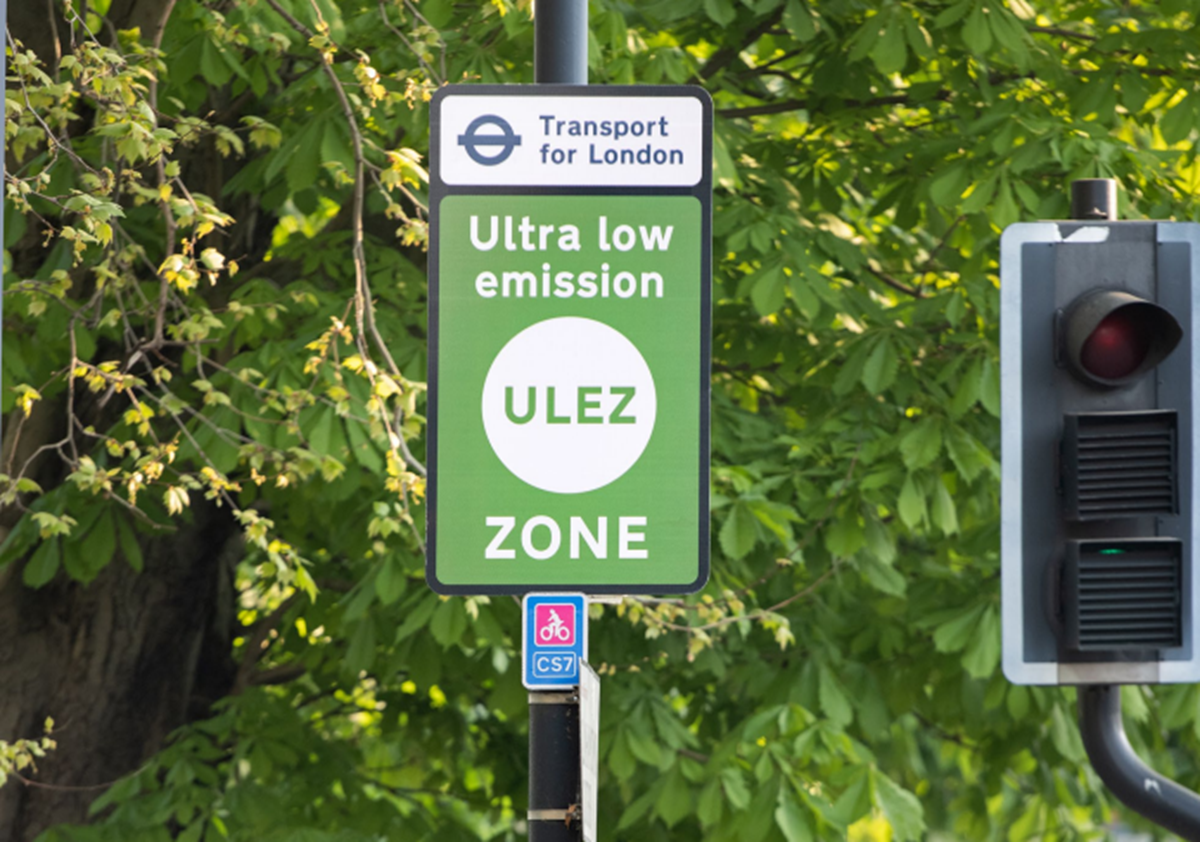

Key Points
- A new study reveals that ULEZ has helped to reverse stunted lung growth in children in London.
- Nitrogen dioxide and harmful particulate matter associated with exhaust fumes are associated with slowed lung development in children.
- The study, which was conducted on thousands of children over five years, found that the proportion of children in London with clinically impaired lung function reduced from 14% to 9% after the introduction of ULEZ.
- Researchers said this data supports the expansion of clean air policies and those which reduce the exposure of children and others to traffic-related pollution.
A study of more than 3,400 children over five years has found that London’s Ultra Low Emission Zone (ULEZ) has reversed stunted lung growth in children, which has been linked to air pollution in the city.
The Children’s Health in London and Luton (CHILL) study from the Queen Mary University of London involved children from 122 schools in London and Luton and spanned five years, comparing children’s lung development against the air pollution measured at their residences.
Researchers found that as a result of the ULEZ restrictions, children’s exposure to nitrogen dioxide (NO₂) and harmful particulate matter decreased substantially over the course of the study.
As their exposure to vehicle-related air pollution reduced, scientists saw the incidence of stunted lung development reduce, and even begin to reverse in both London and Luton.
When the study was started, the proportion of children in London with clinically impaired lung function was 14%. Five years after the introduction of ULEZ, this figure fell to 9% of children. A similar drop was measured in Luton, with the number of children with clinically impaired lung function dropping from 9% to 7%.
While Luton is not subject to ULEZ restrictions, the local council has introduced various policies aimed at reducing air pollution related to motor vehicles, including anti-idling campaigns and reduced speed limits.
The data showed that in addition to reducing the number of children with impaired lung function, the annual rate of lung function growth increased significantly due to the introduction of ULEZ.
“To our knowledge, we provide the first evidence that air quality improvements following introduction of a clean air zone are associated with improved lung growth trajectories in children,” the study states.
“The observed improvements could potentially prevent long-term adverse health impacts in adulthood, including premature mortality.”
“These findings support the wider use of effective clean air zones as a public health policy intervention to improve the lung health of children in cities,” the study adds.
The researchers believe that the evidence outlined in the study supports the wider implementation of clean air zones such as ULEZ, noting that clean air policies elsewhere in the world have also led to similar health benefits in children and adolescents.