Lidl and Iceland to sell plug-in solar as UK demand hits record high
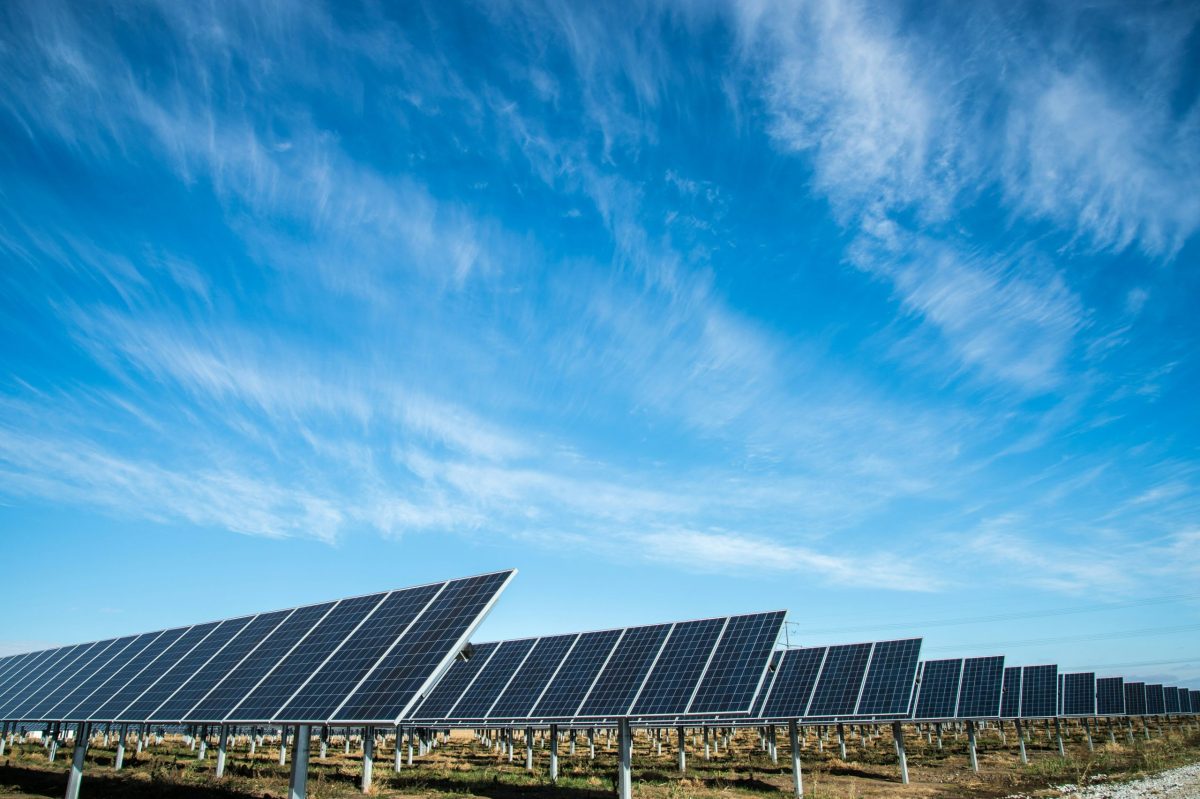

Lidl, Iceland and EcoFlow will start selling plug-in solar kits in UK shops within months, opening domestic generation to renters and flat-dwellers for the first time as installation demand hits a 14-year high.
Department for Energy Security and Net Zero data published on Thursday (30 April) shows UK households fitted more than 27,000 solar installations in March 2026, the highest monthly total since 2012.
Total UK installations passed two million for the first time, with capacity rising 11.7% over the past year to add 2.3 GW.
The retailer launch follows BS 7671 Amendment 4, taking effect on 15 April 2026, the wiring rule change that made plug-in systems up to 800W legal to connect to a standard UK socket.
What plug-in solar actually does
A plug-in kit, also called balcony solar, is a self-contained generator that connects to a standard 13A socket.
A typical setup pairs two 400W panels with a microinverter that converts DC output to mains-compatible AC. The system feeds electricity directly into the home circuit, where appliances draw it before pulling from the grid.
The meter slows, the bill drops, and the kit moves with the user when they leave the property.
Germany registered 426,269 balcony solar systems in 2025 alone, with more than 1.5 million households now running kits bought from supermarkets and DIY chains.
UK regulators previously blocked the same approach because connecting a generator to a standard socket fell outside BS 7671 wiring rules.
A separate BSI product standard certifying specific kits for full self-installation is expected in July 2026.
What it costs and what it saves
Output depends heavily on placement.
A south-facing balcony at optimal tilt in central England produces roughly 650 to 700 kWh per year on PVGIS modelling. East or west-facing positions drop output to 400 to 500 kWh.
North-facing installations are not worth fitting.
At Ofgem’s January 2026 price cap of 27.69p per kWh, 650 kWh of self-consumed generation saves around £180 annually.
Roughly five million UK homes are flats or rented properties where occupants previously had no route to generate their own electricity.
Rooftop systems remain the better economic choice for homeowners with suitable roofs, costing £7,000 to £11,000 for a 4 kW array and saving £400 to £700 annually.
Kits bought online today are technically usable but not legal to plug into a UK socket without electrician sign-off.
Buyers waiting for the BSI product standard will get a fully self-install route, but lose three to four months of generation in the meantime.
All new builds to have solar
Energy Secretary Ed Miliband confirmed three further measures alongside the installation figures.
The government has consented Springwell Solar Farm, the largest power-producing solar farm in UK history.
New homes in England must now include solar panels as standard under the Future Homes Standard, which the department estimates could save households up to £830 a year against a comparable EPC C-rated property.
Subject to final approvals, an additional £100 million for the Social Housing Fund will deliver up to 57,000 solar installations for low-income households this financial year.
Great British Energy, the publicly owned generator launched to accelerate domestic clean power, will fund rooftop installations at a further 100 schools and colleges this year.
National Energy System Operator data shows solar output passing 15 GW for the first time on the British grid this month, a record that underlines how quickly capacity is coming online.