Big spectrum shake-up for the UK
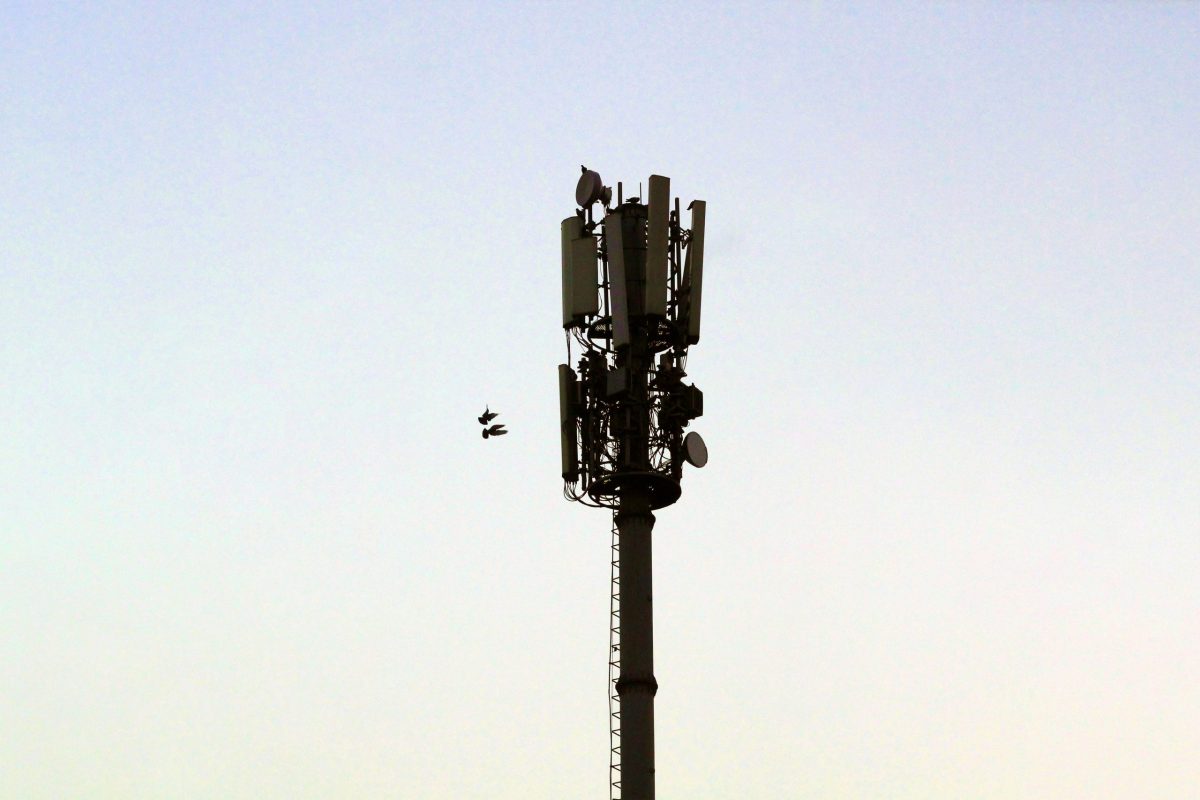

Ofcom has fired the starting gun on what could be one of the most consequential spectrum decisions of the decade.
In a consultation published on Monday (13 April), the UK regulator is proposing to carve out prime real estate in the Upper 6 GHz band (6425–7125 MHz) for mobile networks, but only in 88 carefully chosen “high density areas” that cover the country’s busiest urban hotspots.
Ofcom wants to split the band roughly 540 MHz for “mobile priority” (6585–7125 MHz) and 160 MHz for Wi-Fi priority.
In the mobile-priority slice, operators will get sub-national licences limited to high-density urban zones, an approach pioneered in the mmWave auction but now expanded and refined for 6 GHz’s longer propagation characteristics.
Mobile data traffic is heavily concentrated, around 82% comes from urban and suburban areas. The Upper 6 GHz band is perfect for adding massive capacity to existing macro sites in those exact locations, without the extreme range limitations of mmWave. It’s also seen as a foundational building block for 6G networks expected from around 2030.
Ofcom’s proposed 6 GHz high-density areas build directly on the 68 zones used in last year’s mmWave award but add 20 more. The result:
- Covers 77% of existing 3.4–3.8 GHz mobile sites (up from 73% under the mmWave footprint)
- Still only 7.4% of UK landmass – keeping rural areas untouched and spectrum efficient
The list ranges from Aberdeen and Belfast to Greater London, Manchester, Birmingham, and smaller cities like Ashford, Crawley, and Redditch. New additions were chosen to capture more of the high-traffic 3 GHz sites without ballooning the overall geographic footprint.
This targeted approach means mobile operators won’t get nationwide rights, but they will get guaranteed, interference-free access in the places where they actually need it most.
Clearing the decks
To make the spectrum usable, Ofcom is proposing to revoke licences for around 180 fixed point-to-point links that sit inside or near the new high-density areas. These links, used by telecoms, finance, utilities, transport, and public-sector operators, cannot coexist with high-power mobile base stations on the same frequencies.
Key details:
- Five years’ notice before revocation.
- Critical services (e.g., some in Northern Ireland) may get case-by-case exceptions, but mobile operators could still have to protect a handful of surviving links.
- The rest of the around 500 links in the band remain untouched.
- PMSE (wireless cameras and event production) loses access to the top 15 MHz (7110–7125 MHz) after five years, though borrowing will still be possible for major events outside high-density zones.
Ofcom said that the consumer benefits of mobile deployment in these zones far outweigh the costs of relocating fixed links. Annex modelling suggests most affected links have viable migration paths to other bands.
Mobile operators set to win big
EE, Vodafone, Virgin Media O2, and Three UK stand to gain the most from extra capacity exactly where their customers generate the bulk of revenue. The merged Vodafone-Three entity, in particular, could use this spectrum to challenge EE’s urban dominance more aggressively.
It should also mean faster, more reliable mobile broadband, lower congestion, and better support for data-hungry apps, AR/VR, and enterprise services.
By comparison, fixed-link operators (around 30 licensees) in the affected zones will need to plan migrations or seek exceptions. Ofcom believes alternatives exist in most cases.
PMSE users (events, broadcasting, film) will also lose guaranteed access to part of the band in high-density areas post-2030-ish, though coordination and borrowing remain options outside those zones.
The consultation closes 6 July 2026. Ofcom aims to finalise the high-density areas and clearance plans by autumn 2026, close the band to new fixed links in those zones before year-end, and consult later on award design, technical conditions, and local licensing outside the zones.