The UK is letting pubs stay open until 2am for World Cup matches – here’s how much money that could make for the hospitality sector
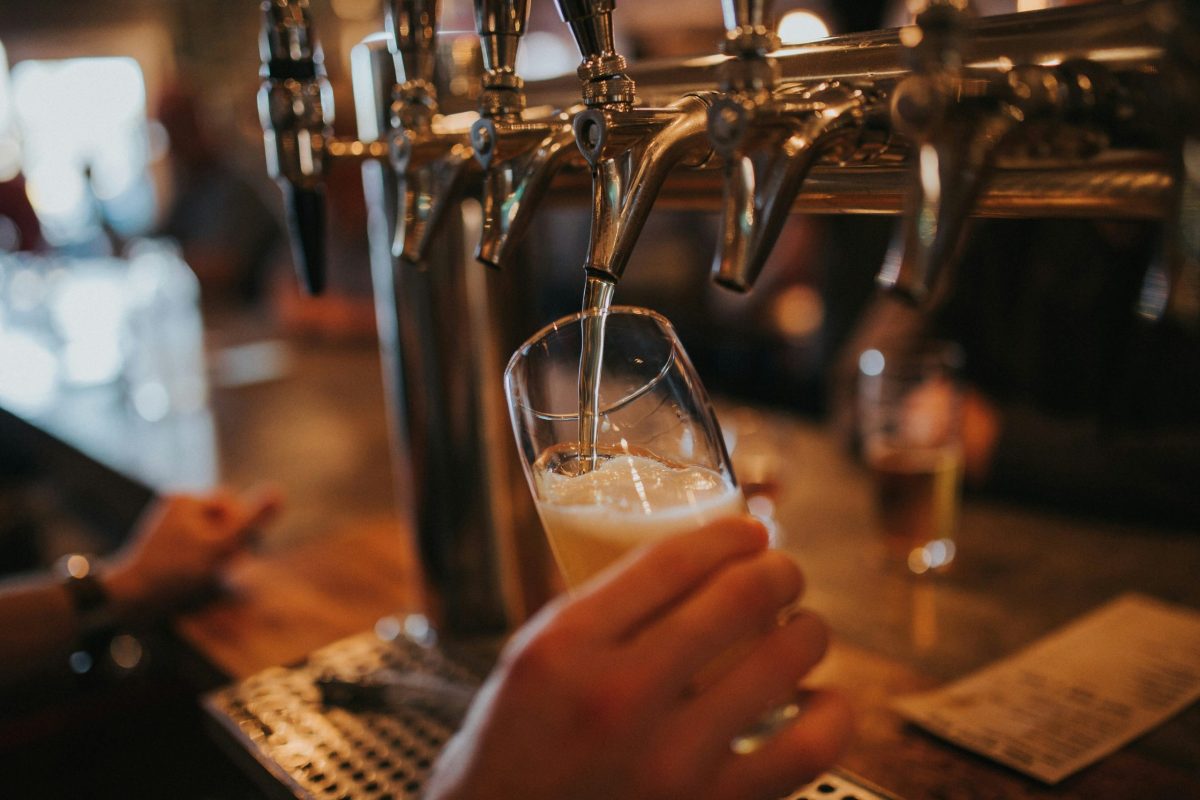

The UK government is giving pubs and bars in England and Wales extra time to serve fans during the 2026 FIFA Men’s World Cup, with licensing hours extended for knockout-stage matches involving home nations like England or Scotland.
Announced by Home Secretary Shabana Mahmood, the move allows venues to stay open until 1am for round-of-32 and round-of-16 games with kick-offs between 5pm and 9pm UK time, and until 2am for later kick-offs up to 10pm.
This applies to up to 13 potential matches if home teams advance deep into the tournament, and it removes the need for individual venues to apply for temporary extensions.
“If our boys are on the pitch, we want our fans to stay in the pub,” Mahmood said. “So we’re giving pubs and bars an open goal to serve punters long after the last penalty hits the back of the net. We won’t have fans coming home before football does.”
The extension builds on existing rules for certain late group-stage games and follows similar relaxations for the Women’s Euro 2025 and Men’s Euro 2024 final. It’s the first time in a decade that pubs could open this late for knockout rounds if home nations progress far.
A timely boost for a challenged sector
The UK hospitality industry, particularly pubs and bars, has faced rising costs, staffing shortages, and softening demand in recent years. Extended hours during major sporting events offer a proven shot of revenue.
Industry leaders welcomed the announcement as a practical way to cut red tape and support community gatherings.
“There’s no place quite like the pub to cheer on our brilliant teams, and being able to open for longer means people can come together, boost community spirit and enjoy a summer of sport,” said Emma McClarkin, CEO of the British Beer and Pub Association. She added that the government’s move must pair with broader efforts to reduce regulatory burdens.
Kate Nicholls, chair of UKHospitality, noted: “The World Cup is the centrepiece of this year’s summer of sport and our pubs and bars will be packed with fans cheering on the home nations. The local is the best place to watch the games.”
Michael Kill, CEO of the Night-Time Industries Association, called it “a welcome boost for the hospitality sector and night-time economy,” saying it will help drive revenue, support jobs, and strengthen local economies during key match nights.
How much extra money could it generate?
While the government has not released official projections for the 2026 extensions, historical data from previous tournaments provides a clear indication of the potential windfall.
During the 2022 World Cup, the wider UK economy saw an unexpected boost partly attributed to pub trade, with pubs and bars reporting surges in sales. England’s run to the quarter-finals in that tournament was estimated to deliver around £155 million in additional revenue across the sector in one analysis, with beer sales alone spiking significantly.
Euro 2024 generated even clearer numbers. Pubs poured over 8 million extra pints during England matches in some periods, contributing millions directly to bar tills.
Broader estimates for that tournament put the hospitality boost in the hundreds of millions, with one projection suggesting the wider economy could see a £2.75 billion spending spree fueled by football-related purchases, including a substantial slice for pubs and bars.
Analysts have referenced past Euros bringing around £3 billion into the UK economy overall, with hospitality as one of the biggest beneficiaries, enough to equate to annual salaries for tens of thousands of workers in the sector.
For 2026, the benefit is expected to concentrate on sports-focused pubs with big screens, particularly in urban areas and fan hotspots. Late kick-offs due to the tournament’s North American hosting (US, Mexico, Canada) mean many key games will align with UK evening and night-time hours, extending trading windows precisely when demand peaks.