Your next iPhone and Samsung is set to get a lot more expensive
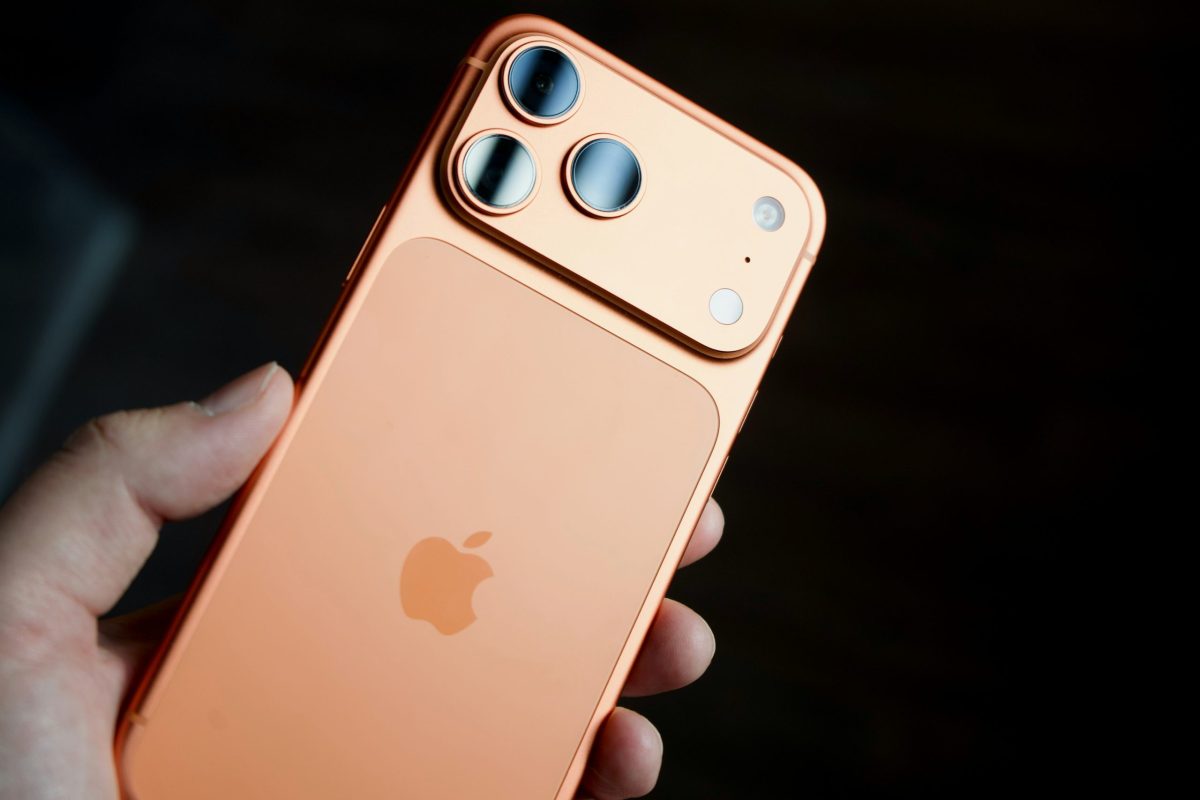

Global smartphone shipments eked out a modest 1% year-over-year increase in the first quarter of 2026, beating expectations despite mounting supply chain headaches and surging component costs that are poised to drive up retail prices for flagship devices from Apple and Samsung.
According to preliminary data from research firm Omdia, the market’s slight growth in Q1 was propped up by vendors front-loading inventory into distribution channels. However, this masks intensifying pressures that analysts say will force widespread price hikes as the year progresses.
Memory and storage costs are the primary culprits. Mobile DRAM and NAND flash prices jumped roughly 90% quarter-over-quarter in Q1 and are forecast to rise another 30% in Q2, dramatically inflating the bill of materials for new handsets. Early disruptions in logistics and trade flows are compounding the issue, creating friction across global supply chains.
“Vendors have little choice but to raise prices as cost pressures intensify,” said Sanyam Chaurasia, principal analyst at Omdia. “While price increases are happening across the industry, the impact is not uniform.”
What’s the most popular smartphone in the world right now?
Samsung edged back into the No. 1 position with 22% global market share in Q1, up from 20% a year earlier. The company benefited from resilient demand for its flagships and stronger-than-expected pre-orders for the Galaxy S26 series, up more than 10% globally compared to the S25, even as launch delays affected its mid-range lineup.
Apple followed closely with 20% share (up from 19%), supported by steady demand for the iPhone 17 series and relatively stable pricing, despite some regional supply hiccups.
Smaller Android players faced tougher conditions. Xiaomi, OPPO, and vivo all saw market share erosion, prompting tighter product portfolios and more cautious pricing.
In the “Others” category, Huawei gained ground in its domestic market through competitive pricing, while HONOR expanded overseas.
The cost squeeze
The memory crunch stems largely from booming demand for high-bandwidth DRAM and NAND in AI data centers, which has diverted supply away from consumer electronics.
Vendors are responding not just with outright price increases but also through subtler moves: changing device configurations, such as offering lower base storage options. cutting promotions and tightening channel incentives. Financing deals and trade-in programmes are expected to play a larger role in shielding consumers from the full brunt of hikes.
Premium flagships from Apple and Samsung are likely to see the most noticeable increases, though both companies have advantages that could limit the damage.
Apple benefits from strong pricing power and long-term supplier relationships, while Samsung’s vertical integration in semiconductors provides some buffer.
Mid-range and entry-level devices, where margins are thinner, could face steeper relative impacts – potentially pushing some buyers toward refurbished or older models.
“The worst is still ahead as cost-driven headwinds weigh on the smartphone value chain,” warned Runar Bjorhovde, another principal analyst at Omdia. “Higher pricing is creating a demand shock, with consumers delaying purchases before gradually adapting.”
Omdia now anticipates a significantly more challenging 2026 overall, with global smartphone shipments potentially declining around 15% amid escalating costs and macroeconomic volatility.
Other analysts have issued similarly downbeat forecasts, citing the memory shortage as a key driver of higher average selling prices even as unit volumes fall.