Self-driving taxis are coming to London, but red tape could stall rollout
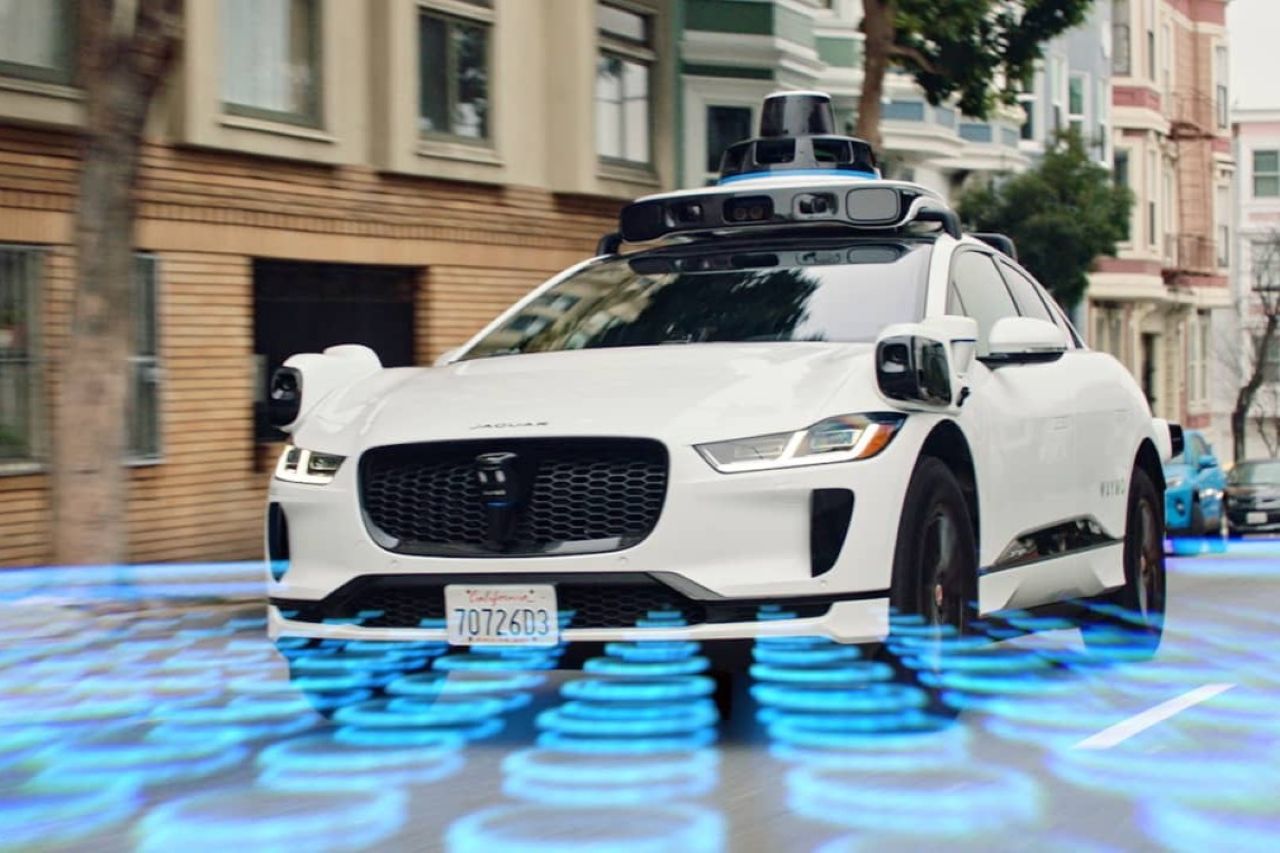

- Driverless taxis are set to launch in London, but TfL has confirmed none are yet licensed to serve customers.
- The regulator has not been involved in any trials, and it has no defined approach to regulating self-driving taxis in the capital.
- TfL was criticised for its lack of proactive regulation around car clubs when Zipcar closed down UK operations, which could be a warning sign for red tape stalling the rollout of driverless taxis.
Waymo cars are currently driving around central London and mapping out the city, but none of them meet licensing and regulatory requirements for operating as driverless taxis.
Driverless ride-hailing company Waymo announced last year that it is rolling out to London, and it is currently mapping out 20 boroughs to serve with its driverless taxi service.
However, Transport for London (TfL) has not been involved in ongoing trials and has not yet determined its approach to regulating self-driving taxis in the city.
Speaking at a recent London Assembly Transport Committee session, TfL Commissioner Andy Lord said that while the Department for Transport is trialling driverless cars on UK roads, there is currently no trial and regulatory programme for the private hire of these vehicles and their transporting passengers for a fare.
“Autonomous vehicles are allowed on London’s roads today, but what we’re talking about at the minute is, can they be used for private hire and carriage of people for a charge,” Lord said.
“They would have to meet the licensing and regulation requirements of that. Currently no driverless vehicle can do that as it stands.”
“There is no trial involving TfL. The trials are around how autonomous vehicles drive on the road. There’s no trial around any form of commercial use that I’m aware of or that we’re involved with,” Lord said.
Deputy Mayor for Transport Seb Dance was also addressing the Assembly, and noted that driverless taxi services will fall under the authority of TfL, with no passenger services currently allowed.
“The ability for autonomous vehicles to be on public roads is a matter for the DfT. Passenger service, that is people paying to access and use an autonomous vehicle, that would be under the remit of TfL, and there currently are no passenger services,” Dance said.
Asked whether TfL supported the rollout of driverless taxis in the capital, Dance said there were a number of factors to consider.
“Potential advantages could be a reduction in dependency on private car use, could be an improved safety record in terms of autonomous vehicles driving on the streets in a way that is potentially statistically safer,” he said.
“But there are obviously potentially clear disbenefits as well: Additional vehicles adding to congestion, the impact on the livelihoods of people who rely on driving as their livelihood, and of course the technology is extremely new.”
“Although the operators, the developers, I should say, are at pains to point out the good statistics, an awful lot of work needs to be done to determine whether or not they do have a net benefit on safety,” he said.
He said future operations would need to be regulated under TfL’s existing private hire and taxi scheme.
Zipcar’s demise could be a warning sign for red tape stifling innovation
Critics of TfL’s approach to regulating new and innovative transport options in London might point to the departure of Zipcar from the UK as a warning for the transport authority to act speedily in providing a framework for driverless taxis in the capital.
Zipcar, which operated ride-sharing services offering a range of vehicles in the city, officially left the United Kingdom at the beginning of this year.
The company not give any formal reasoning behind the closure, but news coverage of the decision suggests rising operational costs, incoming congestion charge changes, and the costs of parking as contributing factors.
Amidst the news that Zipcar was ceasing operations in the UK, TfL was criticised by the London Assembly for failing to grasp the importance of the car club’s departure from the capital.
The Assembly argued that TfL should have set a clear policy direction for car clubs earlier this year to resolve the challenges faced by operators in the sector, and that the organisation was playing catch-up after being prompted to revisit regulations once Zipcar announced its departure.
Asked about the departure of Zipcar in the London Assembly Transport Committee meeting, TfL pointed to borough-specific regulation such as parking exemptions as possible measures that are being taken and considered for making London more hospitable to car-sharing clubs.
While the safety and legality of driverless cars on UK roads may fall under the national transport regulator, TfL will need to act swiftly and proactively to deploy its own regulation and trials to allow driverless taxis in the capital, the biggest market for this service by far in the United Kingdom.