Britain quietly doubled how much early-stage companies can raise from investors
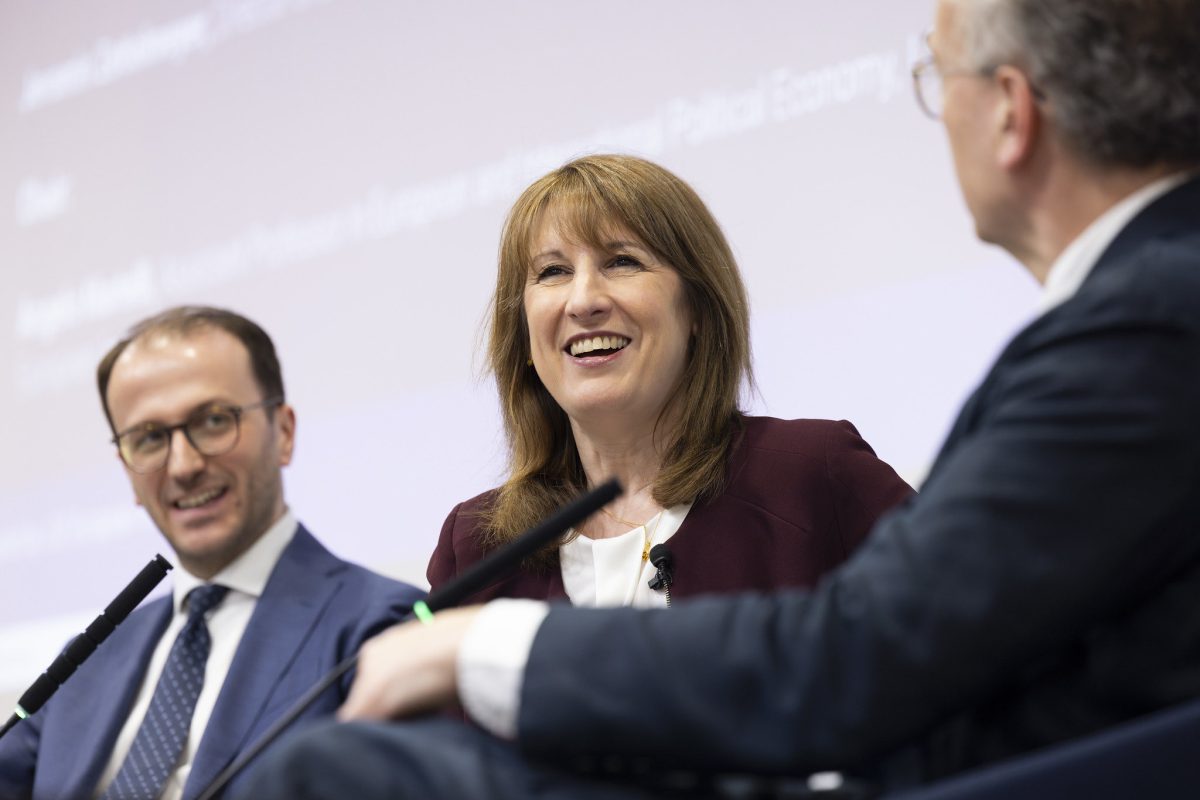

The UK government has quietly supercharged its flagship tax relief schemes for early-stage and scaling companies.
From 6 April, companies can now raise significantly more capital through the Enterprise Investment Scheme (EIS) and Venture Capital Trusts (VCTs), with annual limits doubling and lifetime caps increasing substantially.
The changes form part of a broader package expected to unlock around £100 million in additional private investment each year for Britain’s innovators.
Under the updated rules:
- The annual investment limit for a company via EIS and VCTs has doubled from £5 million to £10 million, or up to £20 million for knowledge-intensive companies, which are typically R&D-heavy or IP-focused.
- The lifetime investment limit has risen from £12 million to £24 million, or £40 million for knowledge-intensive firms.
- The gross assets test has been relaxed, allowing companies with up to £30 million in assets before a share issue to still qualify – a near-doubling from previous thresholds of £15 million and £16 million.
These adjustments mean that more ambitious scale-ups in sectors like fintech, life sciences, AI, and deep tech can stay eligible for tax-advantaged funding for longer, without hitting the previous “cliff” that forced them to seek more expensive or dilutive capital elsewhere.
The government is also expanding the Enterprise Management Incentives (EMI) scheme, a key tool for startups to attract and retain talent through tax-advantaged share options.
The gross assets threshold for EMI eligibility has quadrupled from £30 million to £120 million, while employee and option limits have doubled.
This is projected to benefit around 1,800 high-growth companies and help reward an estimated 70,000 employees over the next five years.
Chancellor Rachel Reeves framed the package as part of a “more active state” backing Britain’s wealth creators.
“I have taken steps to unlock £100 million a year for new investment in the businesses founded by our wealth creators so they can access the finance critical to their success,” she said.
The reforms build on earlier expansions to the Seed Enterprise Investment Scheme (SEIS) and come alongside other measures, including a three-year exemption from Stamp Duty Reserve Tax for companies listing in the UK and the British Business Bank’s expanded £25.6 billion capacity, with at least £5 billion targeted at growth-stage funds and scale-ups.
Stakeholders in the ecosystem have broadly welcomed the changes.
“The UK now has the most competitive stock option scheme of any large economy in the world,” said Hannah Seal, Partner at Index Ventures.
“This is a game-changer for British entrepreneurship, allowing UK startups to compete with global giants for the best talent.”