I tried reading a book a week for a year – and it’s much harder than it used to be
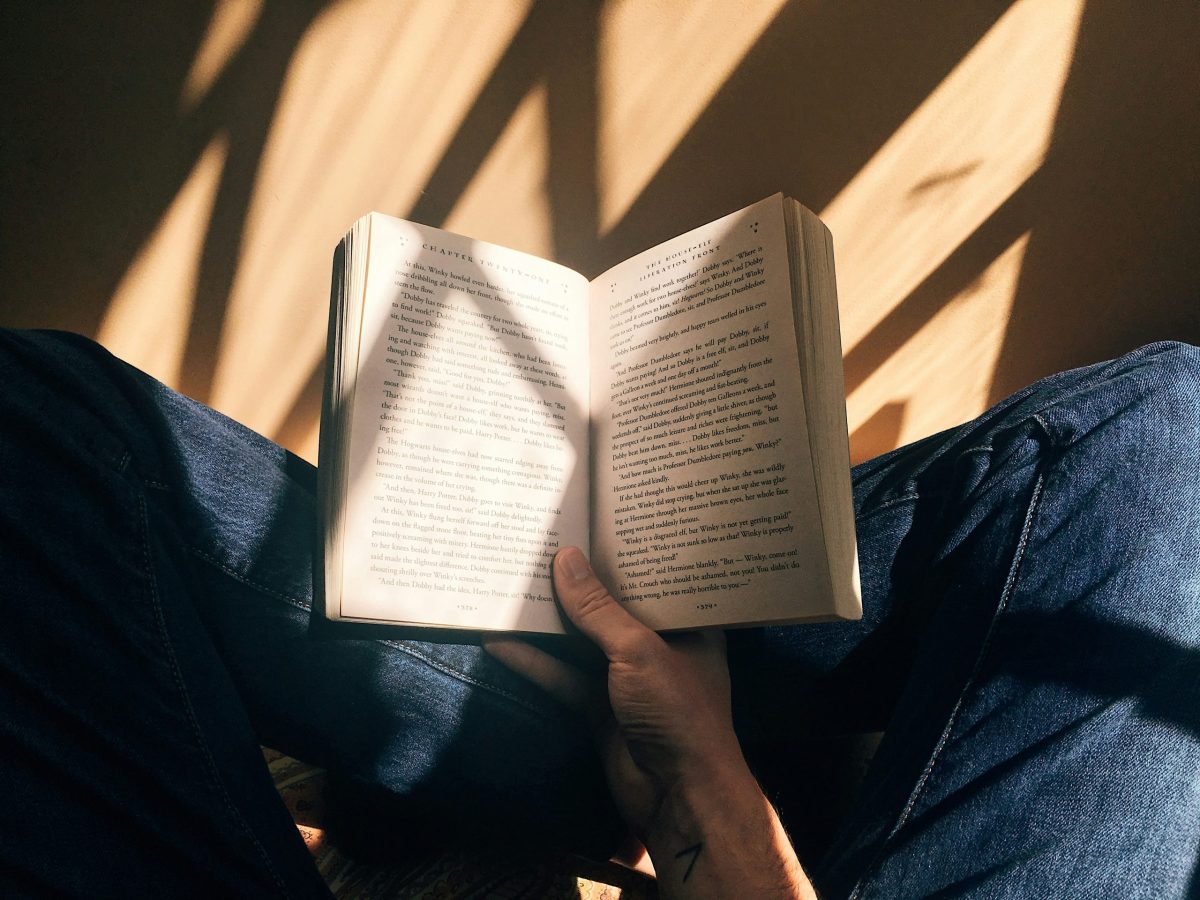

I used to read books.
As a kid, I’d disappear for entire afternoons into Harry Potter, Discworld, or whatever dog-eared paperback I could get my hands on and surface only when my mum shouted that dinner was ready.
There are several books in my personal library which are water-damaged because 10-year old Ryan decided to take them into the bath to read, and they inevitably fell in.
I have copies of Watership Down and Adrian Mole, which are now little more than a collection of loose pages that have been stapled to the spine.
Then, like most people, I fell out of the habit as a teenager. School, PlayStation, and the Internet took over.
In the last couple of years of university and the first few years training as a journalist, I decided to fix that. I set myself a simple goal on a hungover New Year’s Day of reading one book a week.
I tracked it religiously on the app Goodreads, the same way I’d used MyFitnessPal to lose more than six stone a few years earlier. For those who haven’t used it, Goodreads is exceedingly beneficial – you set a reading challenge, the times you started and finished a book, and it tracks it for you.
None of this passive-aggressive Owl nonsense employed by Duolingo, which I have a Pavlovian response to swear at any time I hear my partner doing her Spanish lessons.
I actually hit the target most weeks and kept up with this process for more than two years. I certainly had more free time over a decade ago, but I also have a fun reward loop of heading to the bookstore on weekends and reading everything from self-help guides to dense volumes on the fall of the Roman Empire.
Starting up again
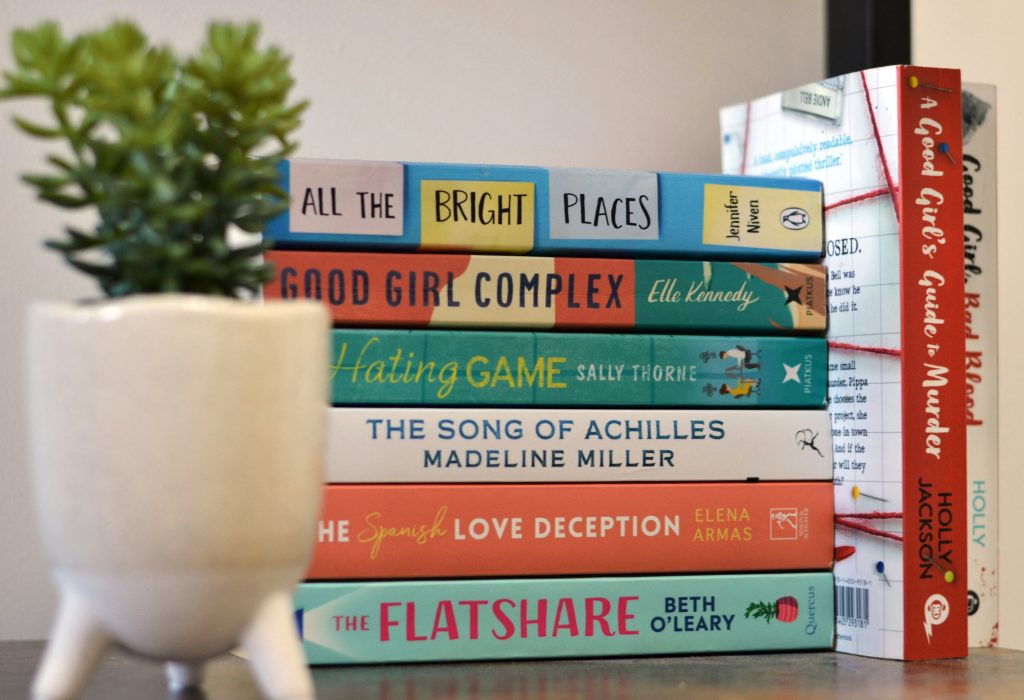
As part of my New Year’s resolution this year, I tried it again. Same goal, same app. But this time, working as a full-time Editor in London, it has been a completely different story.
My life now is louder, busier, and more fragmented. I live with my partner, which means evenings often involve cooking, catching up on each other’s days or collapsing in front of the TV after a long commute.
Weekends disappear into seeing friends, trips, or simply recovering from the week. There’s always something on.
In those rare moments when I do carve out time, the ability to “just quickly check” work is a constant deterrent. As a journalist, my phone is never more than arm’s length away.
One Slack notification, one urgent email, one tweet threatening WW3 and my evening’s reading window slams shut as I rush to put something out.
A loss of focus
But the biggest barrier often isn’t time. It’s my seeming inability to focus for as long as I used to.
I can’t sit down and read for more than an hour without my brain demanding a break.
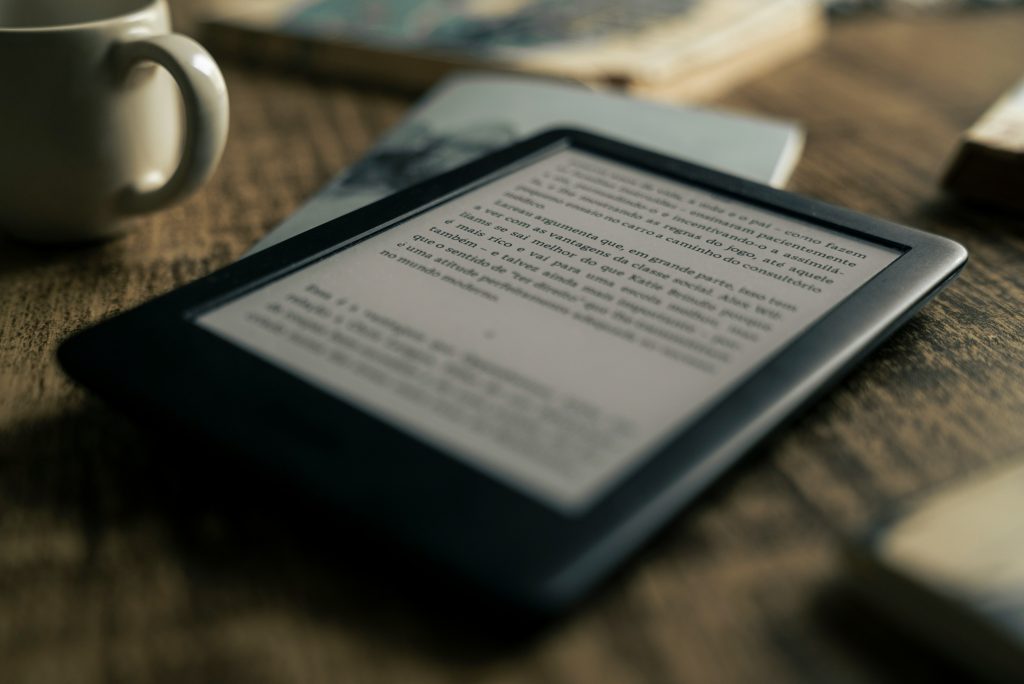
Kindle, physical paperback, hardback, it doesn’t matter. Within 30 minutes, I’m reaching for my phone to check Instagram or read the news, or just to scroll.
There are a thousand tiny dopamine traps and my attention span has been trained to chase all of them, which I do like a full-blown alcoholic who gets the shakes if they haven’t had their first drink in the morning. My body is jonesing for a distraction from this nice, peaceful pile of books in the form of a black mirror screaming at my senses.
As a kid I could blow through 400 pages in a single rainy Saturday. Now I struggle to get through a chapter without interruption.
I’ve noticed something else, too: I start books and then… drift. I’m not abandoning them exactly, but right now I have three different titles on the go – they’re all good, some are even classics, but I will put them down, read an interesting article a couple of days later, buy a new book about it, and then start it without going back to the old one.
One on the Kindle, one physical book by the bed, another audiobook I dip into on the Tube. It’s the literary equivalent of having six different TV shows on the go and never quite finishing any of them.
I never used to do this. I used to finish what I started, and my Goodreads is still filled with older one-star reviews where I pushed myself to finish a book which I openly hated reading.
This is especially frustrating because when I do manage to sit down and read properly, the difference is immediate and I feel physically and mentally better for it.
The constant low-level anxiety that seems to be the background noise of modern life recedes for a while. Reading still works, I just have to fight much harder to make space for it.
This is the part where I tell you that nobody reads anymore
According to the Reading Agency’s State of the Nation’s Adult Reading 2025 report, only 53% of UK adults now consider themselves regular readers, down from 58% in 2015, even if there was a small uptick from 2024.
A YouGov survey from earlier this year found that 40% of Brits hadn’t read or listened to a single book in the previous 12 months. The median number of books read in a year is just three. A far cry from the 52 a year I am pledging.
Perhaps unsurprisingly, younger people are pulling away fastest. The National Literacy Trust’s 2025 research showed reading enjoyment among 8- to 18-year-olds at its lowest level in two decades – just 32.7% say they enjoy reading in their free time, a 36% drop since 2005. Daily reading among children and teens has halved over the same period.
I’m not some Luddite railing against technology. I love my Kindle. I play video games. But the constant pull of screens has rewired something fundamental about how we pay attention, and not in a good way.
What really worries me is what comes next.
We’re already seeing younger generations reading less. Now, with AI tools that can write essays, summarise novels, or even generate entire stories on demand, there’s a real risk they’ll engage with the written word even less.
Not just reading, but writing – wrestling with ideas, structuring arguments, sitting with the discomfort of a blank page.
If old fogies were worried about cancel culture and millennials not having enough media literacy to engage with books like Lolita, I am worried we are now entering a stage where Gen Z’s and Gen Alpha’s simply cannot read 336 pages of Nabokov when they would rather have AI do it for them and spit out a synopsis.
If the next generation grows up outsourcing both consumption and creation of long-form text, what does that do to empathy, critical thinking, imagination, and cultural memory?
Good journalism, literature, and even basic democratic discourse rely on people who can read deeply, think clearly, and express themselves without AI doing the heavy lifting.
For what it’s worth, I am not giving up. I still believe reading a book a week is possible even with a full-time job and all my other commitments, it just requires more deliberate effort than it once did.
Some evenings I put my phone facedown on the desk, some weekends I force myself to leave the PlayStation off. I remind myself how good it feels when I actually finish a book.
The habit that once came naturally now feels like an act of discipline. But it’s one worth keeping.
Ryan Brothwell is a journalist at HotMinute.co.uk.