Britain just committed £1 billion to kill off diesel vans and trucks
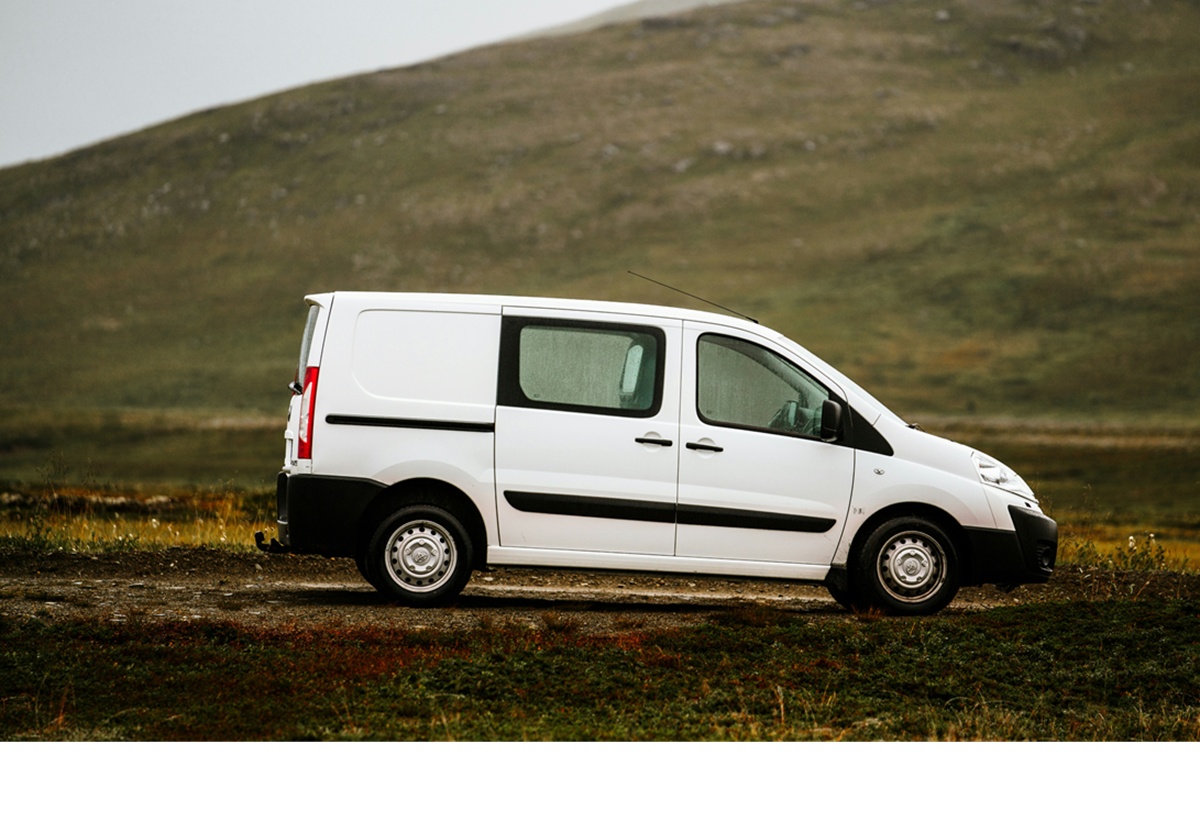

The UK government has announced a major £1 billion funding package aimed at accelerating the shift from diesel-powered vans and trucks to zero-emission alternatives.
The investment targets grants for electric vehicles and support for depot charging infrastructure, framing it as a way to slash costs for businesses, shield them from volatile global fuel prices, and reduce road pollution.
Aviation, Maritime and Decarbonisation Minister Keir Mather described the move as essential for the logistics sector, which contributes £170 billion to the UK economy and supports 2.7 million jobs.
“This £1 billion investment cuts costs for British businesses, supports jobs, cleans up our roads, and gives operators protection against shifting global fuel prices,” Mather said. “We’re helping them expand and decarbonise their fleets whilst saving them cash, driving growth up and down the country.”
Breaking down the £1 billion package
The funding bolsters two main schemes:
- Zero emissions truck and van grants: Businesses can access discounts of up to £5,000 on new zero-emission vans and savings of up to £81,000 on the heaviest electric trucks. These grants build on earlier plug-in vehicle incentives, with adjustments to caps and eligibility starting in the 2026/27 financial year.
- Depot charging scheme: An additional £170 million boost allows businesses and public authorities to claim up to 70% of costs for installing EV chargers at depots – potentially saving up to £1 million per site for vans, coaches, and heavy goods vehicles (HGVs). This addresses a key barrier: reliable on-site charging for fleet operators.
The announcement comes as the government continues to extend existing plug-in grants, with the overall push aligning with longer-term ambitions to phase out new diesel vans by 2035 and heavier trucks by 2040.
No outright ban is included in this package; instead, it relies on financial incentives to bridge the upfront cost gap between diesel and electric vehicles.
Several companies are already testing the waters. Marks & Spencer has added 24 battery electric vehicles to its fleet as part of its net-zero goals by 2040.
Wren Kitchens has introduced 44-tonne electric trucks alongside rapid charging infrastructure, with Transport and Logistics Director Lee Holmes noting that government support provides “confidence to accelerate fleet decarbonisation while maintaining operational stability.”
The British Vehicle Rental and Leasing Association (BVRLA) welcomed the depot charging boost, saying it will particularly help smaller operators and rental firms electrify at scale.
Road freight remains the backbone of UK supply chains, with HGVs and light vans accounting for a significant share of transport emissions – around 17% and 16% of domestic transport greenhouse gases, respectively, in recent data. Diesel still dominates current fleets, but electric adoption is growing, albeit from a low base.
However, challenges remain. Electric trucks are still more expensive upfront in many cases, battery range and payload can limit certain long-haul or heavy-load operations, and grid upgrades take time.