Britain’s most expensive train is getting a speed downgrade – and the government says that’s actually a win
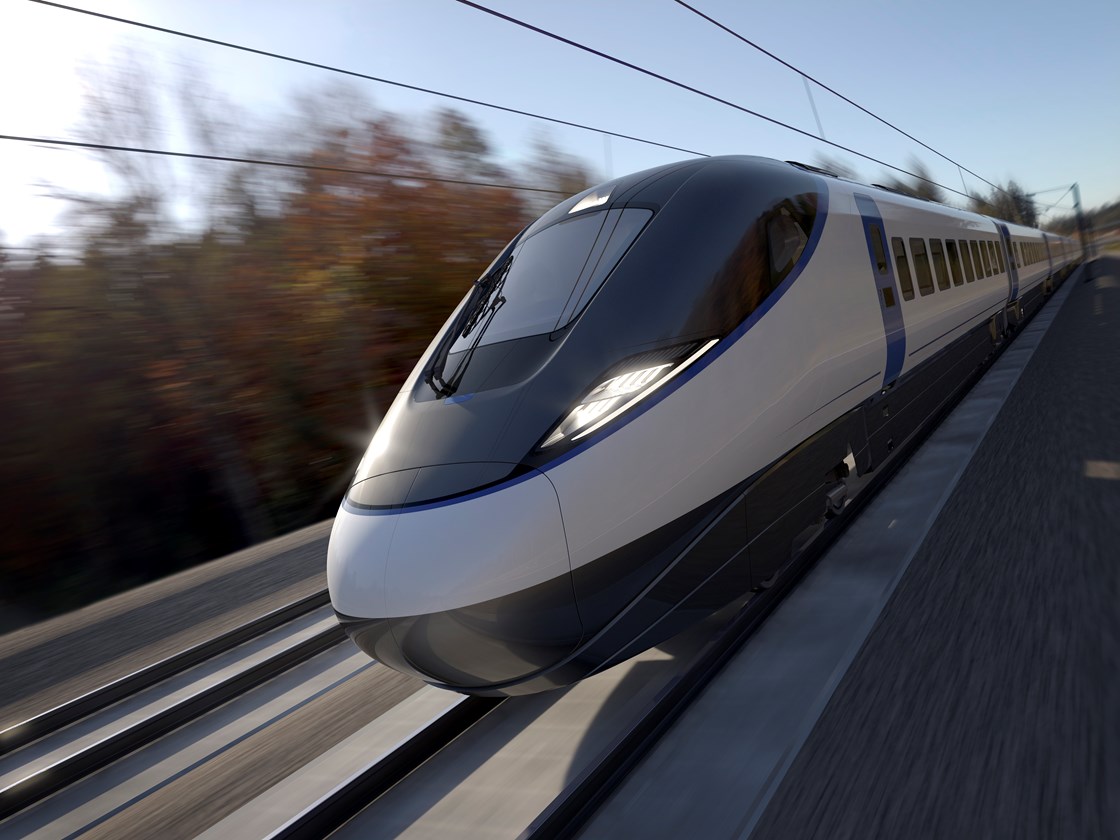

Britain’s long-troubled HS2 high-speed rail project, already the most expensive infrastructure scheme in the country’s history, is set for another major change: its trains will likely run slower than originally planned.
On Monday (23 March), Transport Secretary Heidi Alexander tasked HS2 Ltd with exploring options to reduce the project’s top operating speed from a world-beating 224 mph to something more in line with proven international networks – potentially 186-199 mph.
The government argues this “downgrade” could save billions of pounds, slash construction complexity and delays, and get passengers onto the new railway years earlier.
The announcement, buried in a broader push to reset HS2 after years of ballooning costs and missed deadlines, marks the latest twist in a project that has become a symbol of British infrastructure woes.
Phase 1, linking London Euston to Birmingham Curzon Street, has already consumed more than £46 billion in spending to date, with full costs for even the truncated line widely expected to exceed original projections by tens of billions.
Why slow it down?
Under the original ambitious specifications, HS2 trains would have been the fastest conventional high-speed trains on the planet. But no railway in the UK, or anywhere else, is currently engineered and tested for sustained 224 mph operation.
That would have forced manufacturers to ship the new trains abroad for full-speed testing, adding massive costs and further delays while the tracks were still being built.
By aligning instead with real-world high-speed benchmarks – such as France’s TGV, Japan’s Shinkansen, and the UK’s own HS1 (the Channel Tunnel link) – the project can use more mature technology, simplify engineering requirements, and start testing and operations sooner on British soil.
Government officials and HS2 CEO Mark Wild insist the impact on actual journey times would be ‘negligible’ and that the core benefits of HS2 – massive increases in capacity, more frequent and reliable services, and economic regeneration – remain intact.
“This government is determined to deliver HS2 as effectively and efficiently as possible,” Alexander said in a statement. “I will look at every opportunity to claw back construction time, save taxpayers money and ensure the project delivers for the country.”
HS2 CEO Mark Wild, who took over in late 2024 with a mandate to regain control of the project, added: “I made a commitment to the Transport Secretary that I would regain control of HS2 and bring an end to the project’s cost increases and delays. With performance moving in the right direction, we are rightly exploring options to create further efficiencies.”