The UK is turning a massive Colman’s Mustard and Robinsons squash factory into new homes
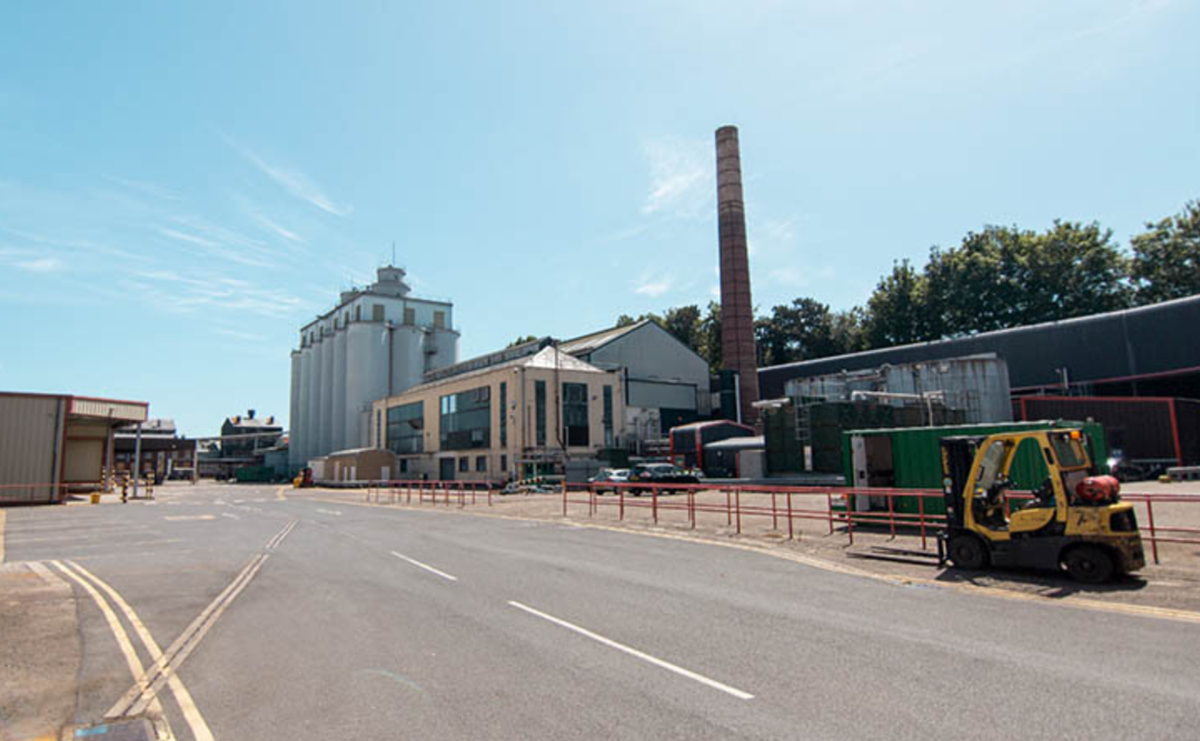

Homes England has announced the acquisition of Carrow Works, the former Colman’s Mustard and Robinsons squash factory site in Norwich.
Carrow Works is a 17 hectare site with distinctive heritage and proximity to the city centre and riverside and represents a significant opportunity to deliver a high-quality, thriving neighbourhood.
The 17-hectare brownfield site, located in the heart of East Norwich near the confluence of the River Wensum and River Yare, sits just a short walk from Norwich city centre, the train station, and the scenic Broads National Park. It features distinctive heritage buildings and riverside frontage that will be sensitively integrated into the new development.
Homes England said it will work closely with Norwich City Council and partners to develop detailed proposals for the site.
Engagement with residents, stakeholders and local organisations will play a key role in shaping the future of Carrow Works and ensuring its heritage is sensitively managed and integrated into a new urban quarter for the city, the group said.
“The acquisition of Carrow Works marks a significant step forward in the regeneration of East Norwich and toward the delivery of a new vibrant community,” said Alison Crofton, Chief Regional Delivery Officer at Homes England.
“This is a prime example of how Homes England is working collaboratively with Norwich City Council to turn this complex brownfield site into a thriving neighbourhood that will provide much-needed homes.”
Carrow Works forms part of the wider East Norwich Strategic Regeneration Area (ENSRA) which has been identified by Norwich City Council for the delivery of up to 3,500 homes.
It will also feature a new employment space, public spaces, and improved access to the rivers Wensum and Yare, The Broads and surrounding green spaces.
The history of Carrow Works
Colman’s Mustard had been produced at the Carrow Works site since 1858, when Jeremiah James Colman established the factory that helped turn the brand into a British household name with royal warrants and global reach. The site later shared space with Robinsons squash production, which had operated there since 1925 under Britvic.
Production of Colman’s famously ended in 2019 after Unilever, which acquired the brand in 1995, relocated manufacturing, with the final jars rolling off the line in mid-2019.
Robinsons production had already shifted elsewhere, leaving the large industrial complex largely vacant by 2020 and ending over 160 years of continuous condiment and soft-drink manufacturing on the site.
The closure was a blow to local identity and jobs at the time, but it has now opened the door to one of the largest regeneration opportunities in the east of England.