How a massive loophole became one of Britain’s biggest immigration headaches

In a sharp escalation of its border control measures, the UK government on Tuesday (3 March) announced it is halting sponsored study visas for nationals from Afghanistan, Cameroon, Myanmar, and Sudan, while also suspending skilled worker visas for Afghans.
The move, described by Home Secretary Shabana Mahmood as an “unprecedented” use of an emergency brake, targets what officials call a glaring loophole in the immigration system: people arriving legally to study or work, then swiftly claiming asylum.
The changes will take effect from 26 March 26 following an amendment to the Immigration Rules laid before Parliament on 5 March.
A massive loophole
The move comes as Home Office data shows how asylum applications from students hailing from these four countries surged more than 470% between 2021 and 2025, making their nationals among the most likely to pivot from legal entry to asylum claims.
For Afghans on study visas, the rate is particularly extreme: 95% of those arriving later sought protection. Myanmar student asylum claims skyrocketed sixteen-fold over the same period, while those from Cameroon and Sudan rose more than 330%.
Overall, asylum claims from people who first entered the UK legally, including on study, work, or other visas, have more than tripled since 2021.
Last year, such cases accounted for 39% of the roughly 100,000 asylum applications, with 133,760 people having claimed asylum after legal arrival in the past five years.
“Britain will always provide refuge to people fleeing war and persecution, but our visa system must not be abused,” Mahmood said in an accompanying statement. “That is why I am taking the unprecedented decision to refuse visas for those nationals seeking to exploit our generosity. I will restore order and control to our borders.”
From visas to hotels
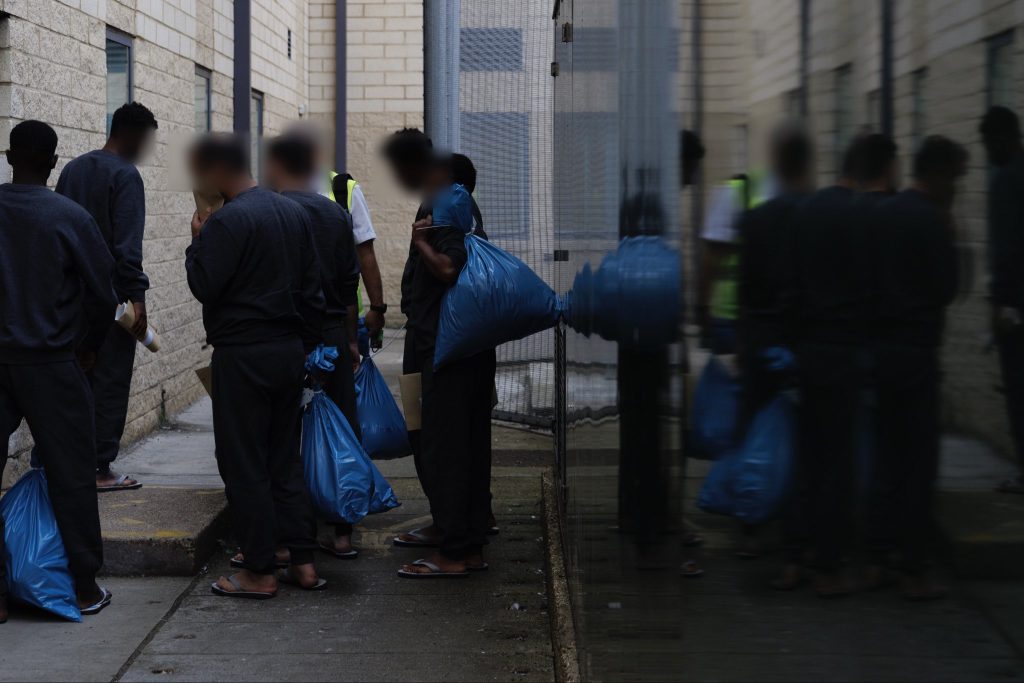
The consequences extend far beyond visa processing. Many of these claimants end up destitute and reliant on state support, fuelling one of the most politically toxic aspects of the UK’s immigration debate: the use of hotels to house asylum seekers.
Nearly 16,000 nationals from the four affected countries are currently supported at public expense, including over 6,000 in hotels.
Asylum support costs exceed £4 billion annually, with contingency accommodation, largely hotels, remaining a major expense despite government pledges to phase it out by the end of the current Parliament in 2029.
Recent figures show around 30,000-31,000 asylum seekers still in hotels as of late 2025, a number that has fluctuated but not dropped dramatically since Labour took office.
Officials have previously reduced student asylum claims by 20% over 2025 through other measures, and in late 2025, Mahmood threatened blanket visa suspensions for Angola, Namibia, and the Democratic Republic of Congo unless they cooperated on returns of irregular migrants – a tactic which ultimately secured agreements and enabled deportation flights.
The latest action aligns with a broader push to curb “pull factors” for irregular migration, including halving refugee protection periods to 30 months and plans for new capped safe and legal routes as alternatives to dangerous crossings.
Yet the government insists its approach balances humanitarian commitments with control. The UK has resettled over 37,000 Afghans through dedicated schemes since 2021 and issued 190,000 humanitarian visas in 2025 alone. Globally, Britain ranks sixth in resettling UNHCR-referred refugees between 2010 and 2025.
Mahmood is set to deliver a speech later this week at the IPPR think tank, outlining further reforms to align border policy with “British values” of fairness and order.