The UK is introducing a new ‘right to try work’ – what you should know


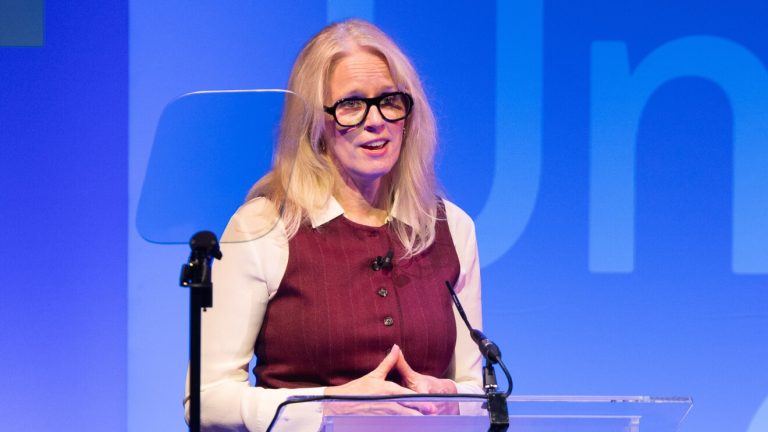
The UK government plans to introduce a new ‘right to try work’ alongside a raft of other changes to the benefits system. These changes will reduce the burden on taxpayers as well as get more people into employment, said Liz Kendall, Secretary of State for Work and Pensions, in a presentation on Wednesday 21 May.
The right to try work will allow those currently on benefits – whether because they are sick or because of a disability – the opportunity to test out employment without immediately losing their welfare benefits.
“We’re introducing a new ‘right to try work’ by legislating to guarantee that work in and of itself will never lead to someone being called in for a benefit assessment to give people the confidences to take the plunge and try work,” Kendall said.
Alongside other changes, Kendall said that the government was also planning to introduce new rules to protect those who cannot work.
“Those with the most severe, life-long conditions that will never improve and who can never work will have their Universal Credit protected, including young people aged under 22,” she said.
“And we will guarantee they will never be reassessed in future, removing totally unnecessary stress, anxiety and uncertainty. To improve trust, we will also fundamentally overhaul our safeguarding approach to ensure all our processes and training are of the highest possible quality and to protect and support vulnerable people.”
Relaxing the burden on taxpayers
Kendall explained that one of the key reasons why government was reviewing welfare was to reduce the burden on taxpayers.
“When the welfare state was created, average life expectancy was 65, and the most common cause of illness and death was infectious diseases and accidents. Now, average life expectancy is around 80. And 1 in 7 babies born today is likely to live to 100,” she said.
“Back then, disability was the exception. Now, 1 in 4 of us self-reports as disabled. And 1 in 3 of us will have a long-term health condition. But the welfare state has simply not kept pace with these changes.”
She added that the current system forces too many sick and disabled people into a binary choice of can or can’t work, when in reality, many people’s physical and mental health conditions fluctuate, and many sick and disabled people want to and need to work.
“The number of people on the health top-up of Universal Credit is set to rise by 50 per cent to 3 million by the end of the decade. And the number of people on Personal Independence Payments is set to more than double to 4.3 million.
“There are now 1,000 new PIP awards every single day. That’s the equivalent of adding a city the size of Leicester every single year. This is not sustainable or fair for the people who need support and for taxpayers,” she said.