UK spy chief warns of exponential rise in AI cyberattacks
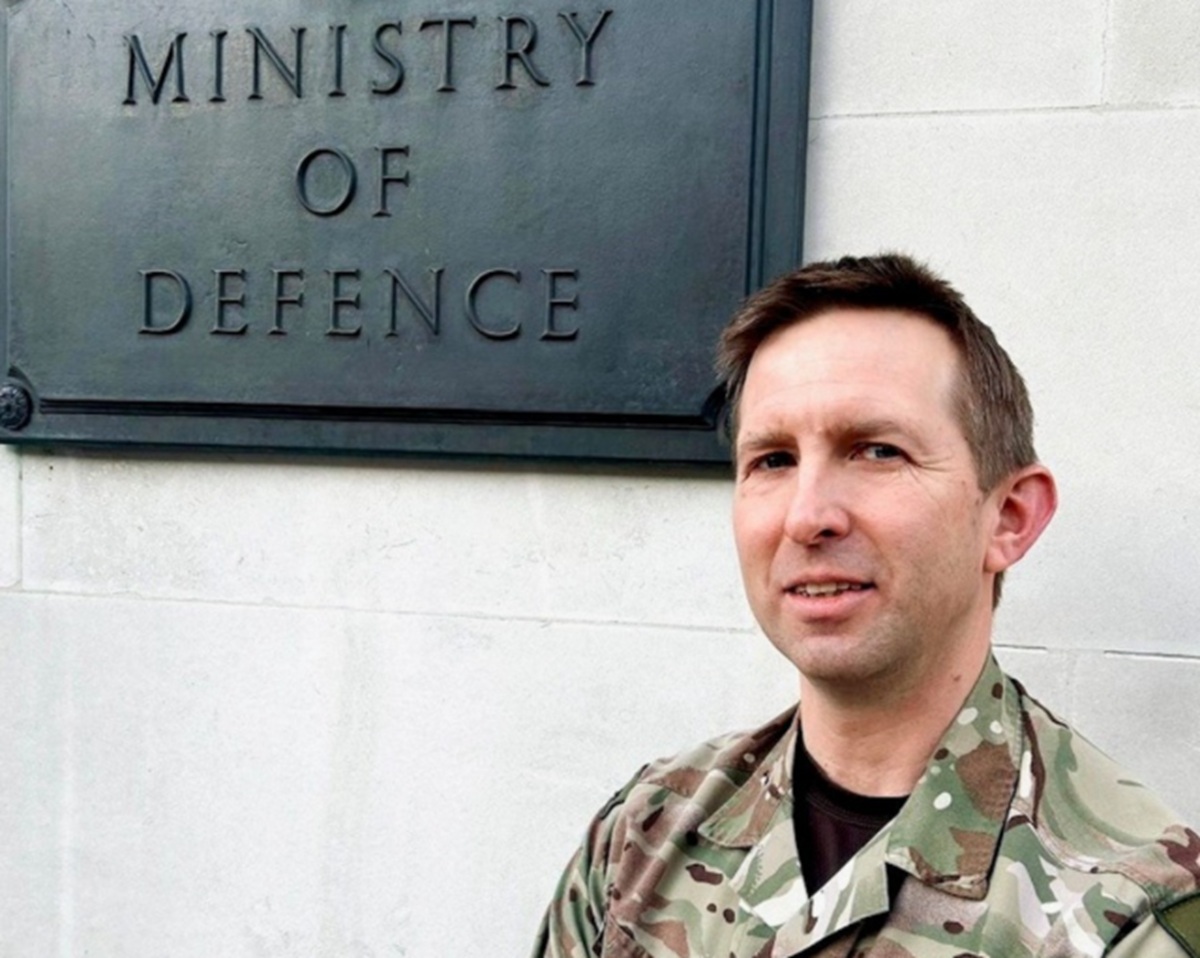

Lt Gen Matthew Jones (Chief of Defence Intelligence) says there is a stark contrast between the peaceful, everyday London and the concerning papers he reads at his desk.
Speaking at the Cambridge Intelligence Seminar on Saturday (21 November), Jones said that the ‘global security environment is definitely deteriorating’.
He named AI-driven offensive cyberattacks as one of the main threats facing the UK. The others on his list were the war in Ukraine, conflict across the Middle East and the scale of the military build-up in East Asia.
“The threats are manifest whether that be the ongoing war in Ukraine; the wider risk of escalation in Europe; the arc of conflict across the Horn of Africa, Arabian Peninsula, and Middle East; the mind-boggling scale and pace of the military capability build-up in East Asia; the exponential rise in AI-driven offensive cyber-attacks; or the seemingly daily reality of sub-threshold adversary operations impacting the UK and our allies,” he said.
On AI
Jones noted that Defence Intelligence currently uses AI to carry out existing tasks better. However, he expects AI to increasingly let teams work in entirely new ways.
“In this journey, I see huge opportunities in Artificial Intelligence, and know my agency colleagues and international partners agree. Every area of intelligence across collection, assessment, targeting, and force protection will be transformed because of this.
We are already making progress but need to accelerate the pace of adoption. Now we are using AI to do existing tasks better, but the time will soon come when AI allows us to operate in entirely new ways.
“We need to be ready to grapple with the policy, legal, and ethical dilemmas that will come with that, and DI is already preparing for that.”
80 nationally significant attacks in a year
The National Cyber Security Centre (NCSC) published its Annual Review 2026 on 3 November, under three weeks before the speech.
The NCSC received 1,831 reports of cyberattacks on UK organisations between 1 September 2025 and 31 August 2026. Its incident management team supported 337 of those incidents and classed 80 as nationally significant.
The agency also published a separate report on AI-enabled threat trends alongside its annual review.