Burnham wants the world to sign up for new AI rules in Manchester
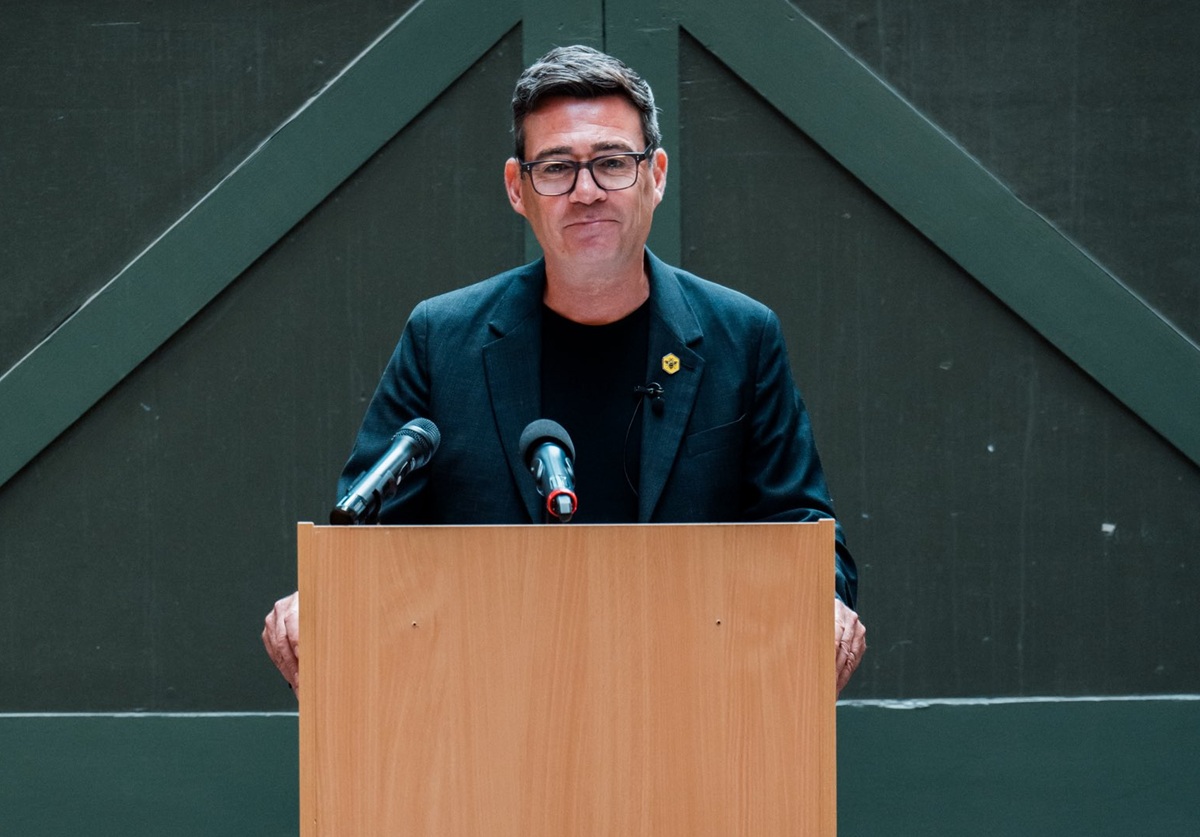

Prime Minister Andy Burnham has called on G20 leaders to agree to new AI guardrails when they meet in Manchester next November.
Speaking at the Lord Mayor’s Banquet on Monday evening (16 November), Burnham said the opportunities of AI are huge – but so are the risks.
“With the world-leading AI Security Institute, and credit to Rishi Sunak for having the foresight to establish it, Britain is well-placed to lead the world towards new global guardrails – and that is what we will work towards at next November’s Leaders’ Summit: the Manchester Compact on AI.”
The G20 will also cover growth and economic security when the UK takes on the G7 Presidency in 2028.
Burnham also used his speech to highlight that: ‘Britain is back in the game in a big way’.
“We are coming back stronger and bringing a new values-driven approach to a divided world. Reaching out, building new alliances, true to the finest traditions of this great nation.
“And finally facing up fully to all of the issues raised in 2016. A country that meets the Makerfield Test will also pass the London Test – because we will be more equal, more contented, less prone to political shocks, more able to hold our own union of nations together and an even more successful capital city right at its heart.
“This is Britain’s circuit-breaker, setting us on a better path and allowing people to have a greater level of hope for what lies ahead. A Britain that can believe in itself again. And a Britain that the world can believe in too.”
An AI-led meltdown
Burnham’s comments come as Former Health Secretary Alan Milburn warns that the next generation of young Brits is facing a crisis of opportunity and the risk of an AI-led employment meltdown.
This is one of the key findings of his Milburn report which looks at the country’s NEET (Not in Education, Employment, or Training) crisis.
Published on Tuesday (17 November), the report notes that the UK now has around 1 million young people not in education, employment, or training.
“It is a global phenomenon. Across the developed world the relative share of income taken by the young is smaller than previous generations,” the report states.
“Both income and wealth gaps between old and young have widened. The housing ladder and career ladder have both become more out of reach for many more young people. Now they face the risk of an AI-led employment meltdown.”
The report notes that none of these issues are specific to the UK – but that the NEET crisis is notably worse. Milburn said the the answer lies in the specifics of the way the labour market and state services have operated here.
“The system, such as it is, from the labour market through education, health to welfare, is not working. And neither are more and more young people. We are at a fork in the road.”