Disruptions could spread across the UK faster than it can respond: Alan Turing Institute
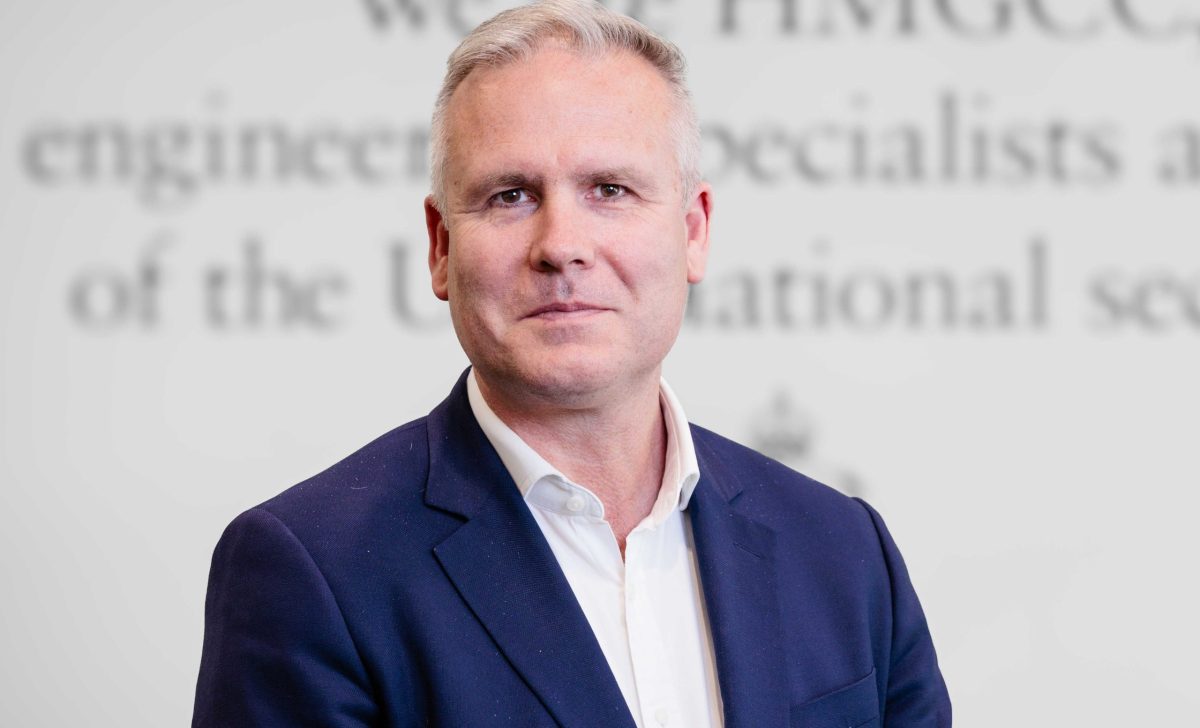

The UK faces growing risk that major disruptions could cascade across infrastructure, public services and the economy faster than existing systems and institutions can respond, warns Dr George Williamson (CEO of the Alan Turing Institute).
In a speech at the Institute’s Securing Resilience for the Age of AI event in London, Williamson warned that the UK faces a convergence of climate shocks, geopolitical instability and profound technological change, and called for enhanced AI defences in response.
“We must face an uncomfortable truth: threats are evolving faster than our ability to respond. However capable our individual institutions, we often remain reliant on systems and structures that were not designed to withstand crises of this speed, complexity and scale,” he said.
“For years, we’ve quite rightly optimised our critical systems for efficiency, but in an age of AI and cascading shocks, we must now do more to optimise for resilience.”
Williamson noted that while AI can expose the country’s weaknesses, it can also help anticipate threats, make better decisions and defend against those who want to do the UK harm.
Williamson reinforced that, due to the complexities of today’s threats, no single organisation or sector can address national resilience challenges alone.
The Turing is calling for government, industry, infrastructure operators and researchers to work together on shaping shared national priorities and projects, then turning AI research into trusted, operational capabilities.
The Institute also argues that strengthening national resilience goes beyond protecting the UK from threats, but can also accelerate AI adoption, attract investment and support economic growth, creating wider national advantage.
The proposed changes include:
- Decision advantage: Designed to help Defence and civil responders make faster, trusted decisions in times of crisis, including when normal systems are degraded or under attack
- Resilient infrastructure: Designed to model and anticipate disruptions to the UK’s critical infrastructure, such as water and energy systems
- Security at sea: Designed to improve situational awareness and maritime operations in challenging environments
- Supply resilience: Designed to reveal supply-chain vulnerabilities, anticipate shortages and help government and industry respond earlier.
- Resilient democracy: Designed to protect the integrity of democratic processes, including detecting, attributing and disrupting coordinated inauthentic behaviour by autonomous AI-agent networks
“The UK cannot meet growing threats from climate shocks, hostile activity and powerful AI through fragmented efforts or good intentions alone. We must set clear priorities, bring our best people and resources together and build the capabilities that tip the balance back in our favour,” Williamson said.