The £2,000 cable theft that cost £750,000


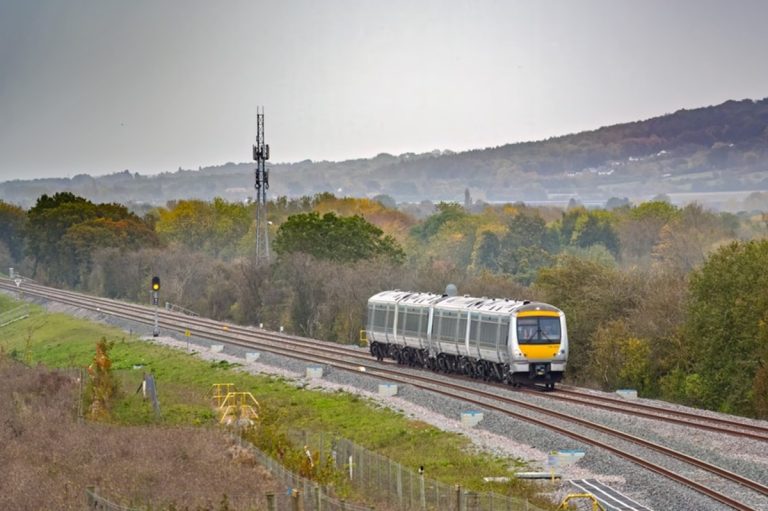
Two thefts on the Core Valley Lines railway network in South Wales caused widespread disruption, with repair costs exceeding £750,000 before passenger delays were included.
Thieves cut and removed more than 125 metres of cable from the Core Valley Lines near Pentre-bach in South Wales in the early hours of New Year’s Eve 2025.
Hidden security cameras along the line picked up three people trespassing on the tracks and alerted Transport for Wales security teams. South Wales Police officers intercepted the suspects at the scene and arrested them on suspicion of theft and the case was passed to British Transport Police.
At the time it was estimated that the cable taken had an estimated scrap value of £2,000, but the actual damage caused and knock-on effects were estimated to be closer to the £750,000.
This theft is the focus of a new white paper by security firm VPS: The Cost of Darkness: When Copper Theft Becomes Business Disruption. The white paper argues that organisations are often measuring the wrong risk, and that the scrap value of stolen metal rather than the operational and financial consequences of its removal.
The group’s research found that the theft led to £220,000 lost by businesses that weren’t even targeted, as thefts of copper earthing strips from electricity substations in East Kent caused substantial losses to nearby businesses.
Notably, the data shows that £25 of copper costs about £1,000 to replace, and a single stolen rapid EV charging cable can cost an operator around 40 times its scrap value to replace.
“When the nights draw in, the casual trespassers mostly disappear. The people who are left have usually come for something specific. The sites most at risk are the ones where something important stops working when the metal goes: earthing, back-up generators, signalling. That’s where protection should go first,” said José Rosa (Director of Insight Solutions at VPS).
VPS’s crime data reinforces the seasonal concern. While overall property breaches at sites it protects have fallen by around 40% between September and November, burglary and theft reports have increased by more than half between October and December in each of the past two years.
Even after stolen materials have been replaced, a site may remain vulnerable for exactly the same reasons it was targeted in the first place.
Security therefore needs to go beyond responding to the initial incident. Understanding why the site was targeted, what has changed and whether the underlying vulnerability remains can be just as important as dealing with the immediate loss, the firm said.
“The police count the thefts, but nobody counts what stops working afterwards: the trains that don’t run, the power that goes off, the business that can’t open,” said Seetan Varsani (Managing Director, UK and Ireland, at VPS).
Ultimately, the cost of copper and cable theft is not simply the value of what disappears. It is the wider disruption that follows, and the extent to which organisations are prepared to prevent it, the firm said.