UK to spend £90 million on new drones and sensors to protect undersea cables and hunt Russian submarines
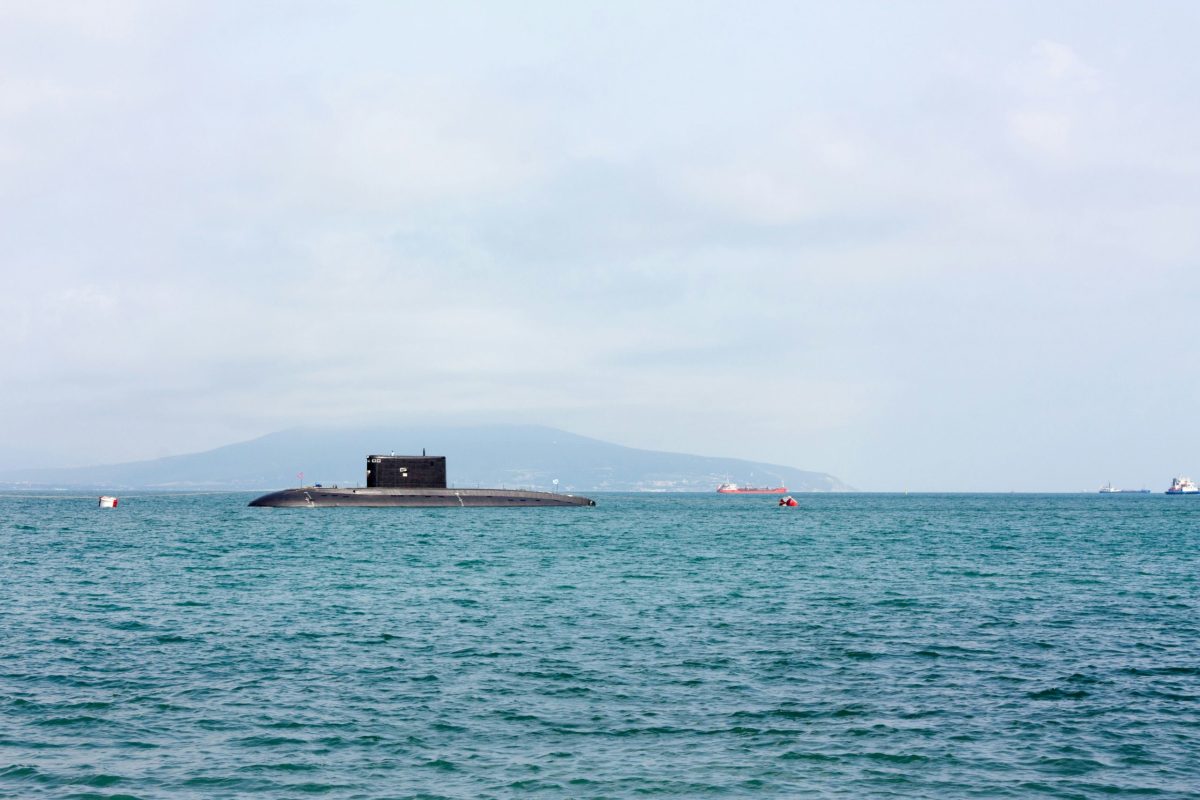

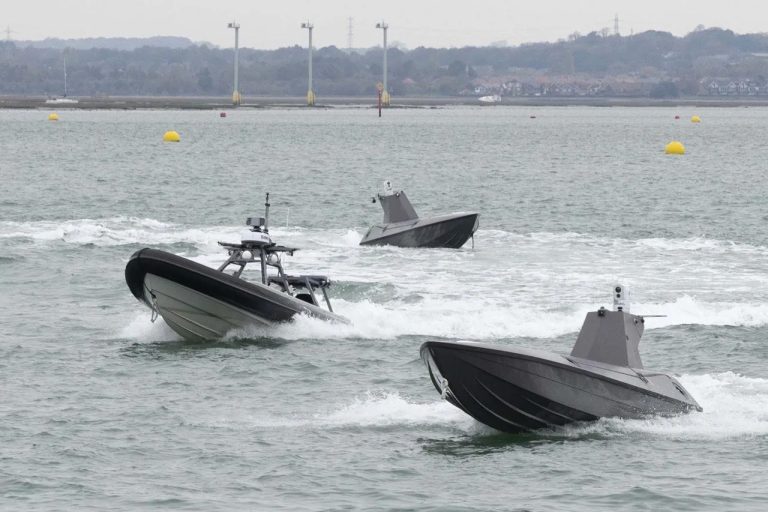
The Ministry of Defence has announced that the the UK will be more secure from Russian undersea threats in the North Atlantic following a new £90 million investment in new drones, sensors and AI systems for the Royal Navy.
The advanced system, known as Atlantic Net will see the Navy equipped with a new network of autonomous systems operating across the North Atlantic.
These will include advanced sensors, which will help detect Russian submarines and nefarious activity and uncrewed systems, which will be able to patrol the depths of the seas, hunting down threats.
This high-tech net will create a single surveillance service that will provide submarine-hunting warships and Astute-class submarines with earlier warning of threats and a clearer picture of activity beneath the surface.
The framework that is due to be signed on Tuesday (10 November) is part of the Royal Navy’s wider Atlantic Bastion programme to create a hybrid naval force of crewed and uncrewed vessels.
“The threats beneath the North Atlantic are changing, and we are changing with them. This investment gives the Royal Navy new technology to find threats earlier and protect our critical infrastructure, while also backing British business,” said Minister for Defence Readiness and Industry Luke Pollard.
“It shows that we’re getting on with the job of investing in our Armed Forces and strengthening our deterrence under the sea, to support our ultimate, nuclear deterrent.”
Atlantic Bastion is the Royal Navy’s plan to create a hybrid naval force to hunt and track enemy submarines and protect the vast network of critical underwater infrastructure that connects and powers the UK and its allies, including communications cables and energy networks.
Working alongside NATO and Joint Expeditionary Force (JEF) allies, it aims to strengthen protection against interference, sabotage and hostile activity, with Atlantic Net increasing the scale, persistence and resilience of underwater surveillance.