People in Britain now get more texts from companies than friends and family
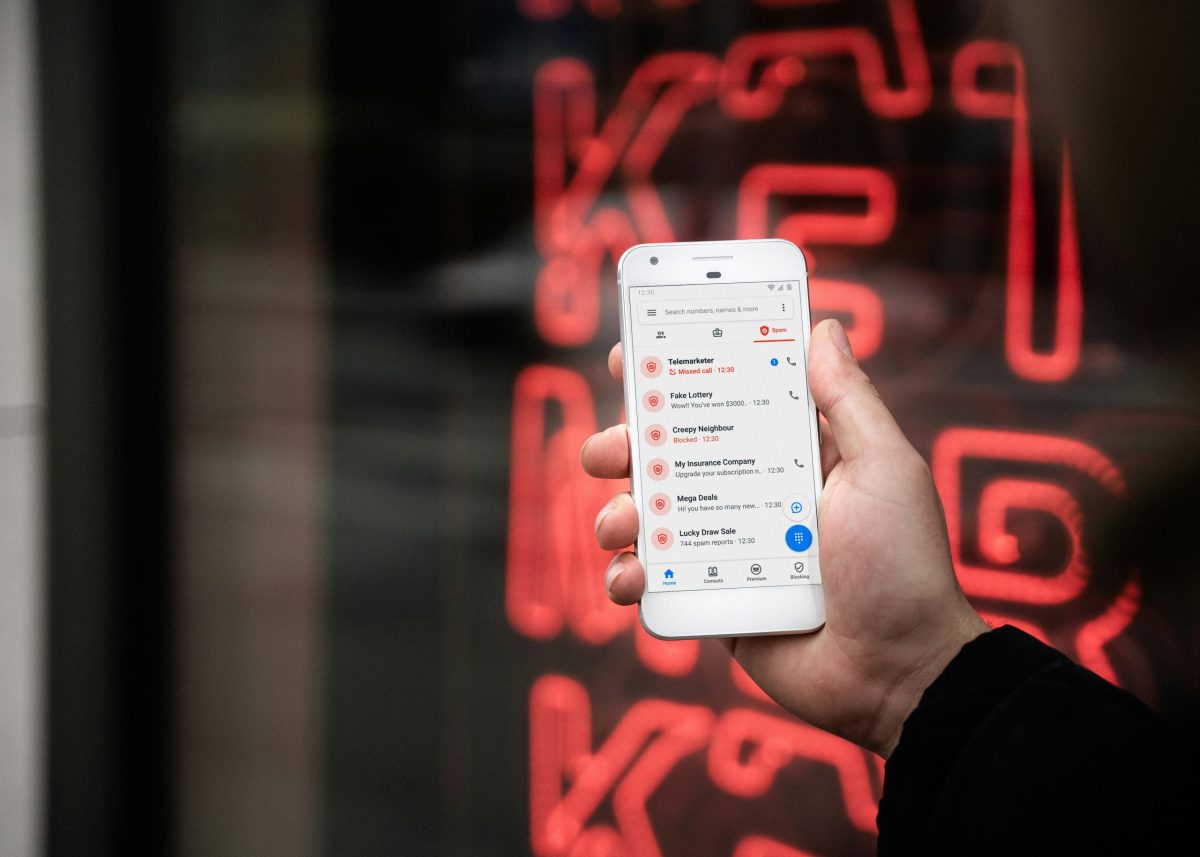

Fewer than half of the last 20 texts Britons received were from somebody they know, with the rest made up of alerts from companies, marketing, and spam.
This is according to new research from Uswitch, which asked 2,000 adults in the UK to open their messaging app and look at where their last 20 texts came from.
The data showed that while SMS isn’t dead as a social medium yet, it has now crossed an inflection point where people are receiving more messages from companies, marketers, spammers, and scammers, than their friends.
Across all those surveyed, 49% of the last 20 texts people received were from someone they knew. 13% were verification codes such as two-factor authentication, and 9% were updates on parcel deliveries.
The remainder were made up of notifications such as appointment reminders, marketing, bank alerts, as well as suspected spam.
People have also become more skeptical of text messages from sources they don’t recognise, preferring to keep their communication to purpose-built messaging applications.
Across the board, 43% of people surveyed said they would consider a text from an unrecognised number to most likely be marketing or spam. 37% said a text from an unknown number would most likely be from a scammer.
In the past year, the data shows that 24% of people in the UK have ignored or deleted a message which they assumed was spam or junk, but that turned out to be from a friend or family member. This skepticism of texts is also far more common amongst people younger than 35 years old.
Baby boomers are the generation keeping old-school texting alive, with nearly 19% of people aged between 62 to 80 years old using SMS as their primary way of keeping in contacting with loved ones. This is compared to just 11% of the overall population which uses texts in the same way.
The bulk of personal text communication has now moved over to WhatsApp, with 60% of surveyed adults in the UK using WhatsApp as their main way to keep in touch with friends and family.
At the same time, scam messages are rife over SMS, with mobile networks in the UK blocking an estimated 600 million scam messages every year. Operators like O2 are using ever more creative techniques to block scammers on their networks, and Ofcom will require networks to block scam texts from January 2027.
“The text message has changed jobs. Most of our chat with friends has moved to WhatsApp, so the text inbox is now where banks, couriers and businesses get in touch, and where scammers go to pose as them,” said Uswitch mobiles expert Jez Samuel.
“A message from a friend is now one voice among many, which is why so many of us treat anything unfamiliar as admin or junk.”
“Keep that caution, especially with anything that tells you to click, pay or call in a hurry. Check the order in the courier’s or retailer’s own app, and forward anything suspicious to 7726, which is free.”
Samuel added that if a text says it’s from a friend on a new number, however, people should not just delete that text. He said they should first contact their old number to check if this is the case.