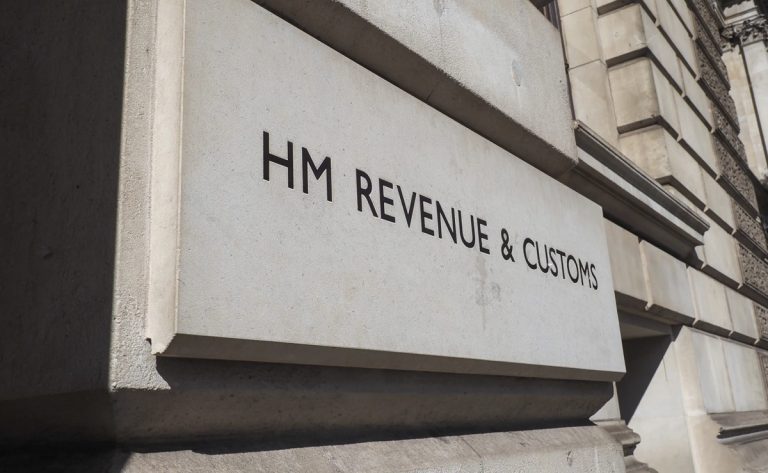
How much money you need to be ‘wealthy’ in the UK – according to HMRC


HMRC now classifies some 1.3 million Brits as ‘wealthy’ taxpayers. This is according to a new document published by the tax authority on Wednesday (28 October) which focuses on modernisation efforts.
HMRC noted that these 1.3 million individuals accounted for £160 billion in tax receipts in 2025 to 2026 – a significant contribution to the Exchequer and wider economy. By its definition, these are people with ‘income over £200,000 or assets over £2 million in any of the last three years’.
“Wealthy individuals make a substantial contribution to the Exchequer, and most meet their tax obligations. However, the scale, complexity and international nature of some wealthy individuals’ affairs, and their access to sophisticated advice, can create greater scope for error, uncertainty and deliberate non-compliance,” the group said.
“Closing the tax gap is one of HMRC’s five strategic objectives. The wealthy tax gap for 2024 to 2025 was estimated at £3.6 billion, equivalent to 6% of the total tax gap.”
Although the criteria have not changed, the number of individuals meeting HMRC’s definition of wealthy has grown from around 700,000 in 2021 to 2022 to 1.3 million in 2025 to 2026.
The tax authroity noted that this is a broad and varied population: customers differ in how their wealth is created and held, the complexity of their affairs, their behaviours and the commercial, economic and life events that shape their tax position.
It added that income and asset thresholds remain useful for identifying customers who may have more complex affairs, but they do not provide a complete picture on their own.
“We are therefore building a richer and more dynamic understanding of wealthy customers, including their connected entities and wider networks,” it said.
“By combining information about wealth, complexity, behaviour, structures, sectors, intermediaries and life events, we will identify the population more accurately, group customers with similar characteristics and distinguish between different levels of potential risk.”
While the report doesn’t go into specifics around bad actors, HMRC noted that there are certain ‘problem sectors’ which it was aiming to focus more on going forward.
“Wealthy customers’ affairs are often shaped by the sectors in which they operate, invest or generate their wealth. Commercial practices, remuneration models, ownership structures and the role of advisers can create distinctive tax issues in sectors including property and construction, financial services, professional sport, entertainment and cryptoassets.
“Participation in a particular sector does not itself indicate tax risk, but deeper sector knowledge helps HMRC better understand commercial practices,” it said.