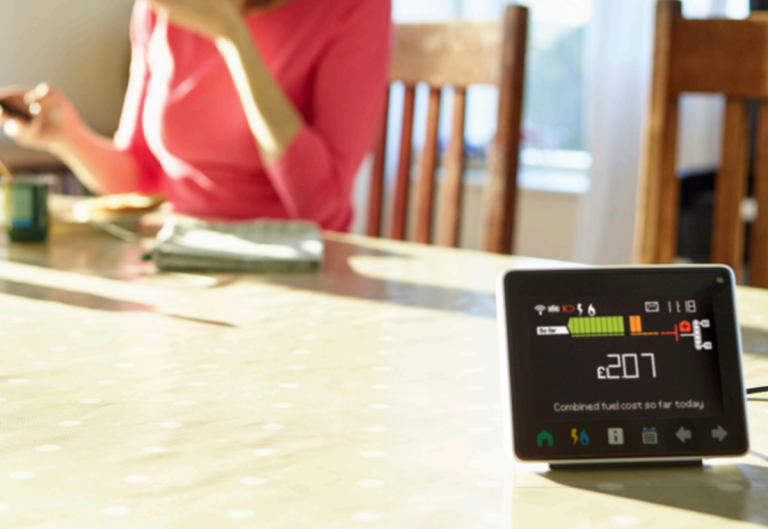
Chancellor announces £100 energy payment for 20 million households

Key Points
- Chancellor John Healey has announced that up to 20 million households in England will receive £100 next year.
- This once-off energy payment will be made directly into the bank accounts of households in council tax bands A to D.
- The government will also ask Ofgem to abolish gas standing charges and move them to unit rates.
- Other announcements from the Budget include raising the National Living Wage to £13.21, devolving more power to mayors, and keeping income tax thresholds frozen.
Chancellor John Healey has announced that households in council tax bands A to D will receive £100 directly in their bank accounts.
Healey announced the energy payment, designed to give relief to those struggling with energy bills in the UK, in his Autumn Budget on Wednesday 28 October.
This payment will be made to up to 20 million households across England from January 2027, and similar support will be made available to households across the rest of the UK.
Healey also announced that the temporary VAT cut on electricity bills will be extended until 1 July 2027, which will remove around £50 from the Ofgem annual price cap in April next year.
The government will also provide £100 million for local authorities in England to help families cope with rising energy bills.
To help fund this programme, Healey said he will increase the Bank Corporation Tax Surcharge from 3% to 6% for 15 months, before ending it at the end of March 2028.
The government also plans to introduce a new comprehensive framework at the spending review next year, with the goal of driving down energy costs over the next ten years.
Healey also announced that the government would ask Ofgem to abolish gas standing charges and move them to unit rates, giving households either automatic savings or at least more control over their bills.
Devolution, first-time buyer ISA, and income tax thresholds
Other major announcements in the Autumn Budget included raising the National Living Wage to £13.21 per hour, which is an increase of £910 to the gross annual earnings of a full-time work on the NLW.
Healey also pledged to aid first-time buyers by introducing a new First-Time Buyer ISA, which will replace the Lifetime ISA and help people to save for a deposit on their first home.
Devolution stood front and centre in the Budget, with all mayors set to receive income tax assignment from 2028, as well as the power to introduce an overnight levy on visitors.
The government also said that it wants local and regional governments to retain 100% of business rates income before the end of the decade. To this end, mayors will begin receiving a share of business rates from next year, replacing grants from central government.
Income tax thresholds will remain frozen, leading to fiscal drag that will see people paying more tax as their salaries rise with inflation. However, an exception will be made for pensioners who rely solely on the state pension benefit for their income.