Space X’s Starship goes to orbit for the first time next week

Key Points
- Starship Flight 14 targets 22 September for the rocket's first orbit of Earth
- The 10-hour mission will complete six orbits before splashing down west of Chile
- 26 Starlink V3 satellites add 26 Tbps of capacity, 10 times a Falcon 9 launch
- Booster fixes address the ice-clogged engines seen on Flight 13
- Two recovered tiles fly again in the first heatshield tile reuse
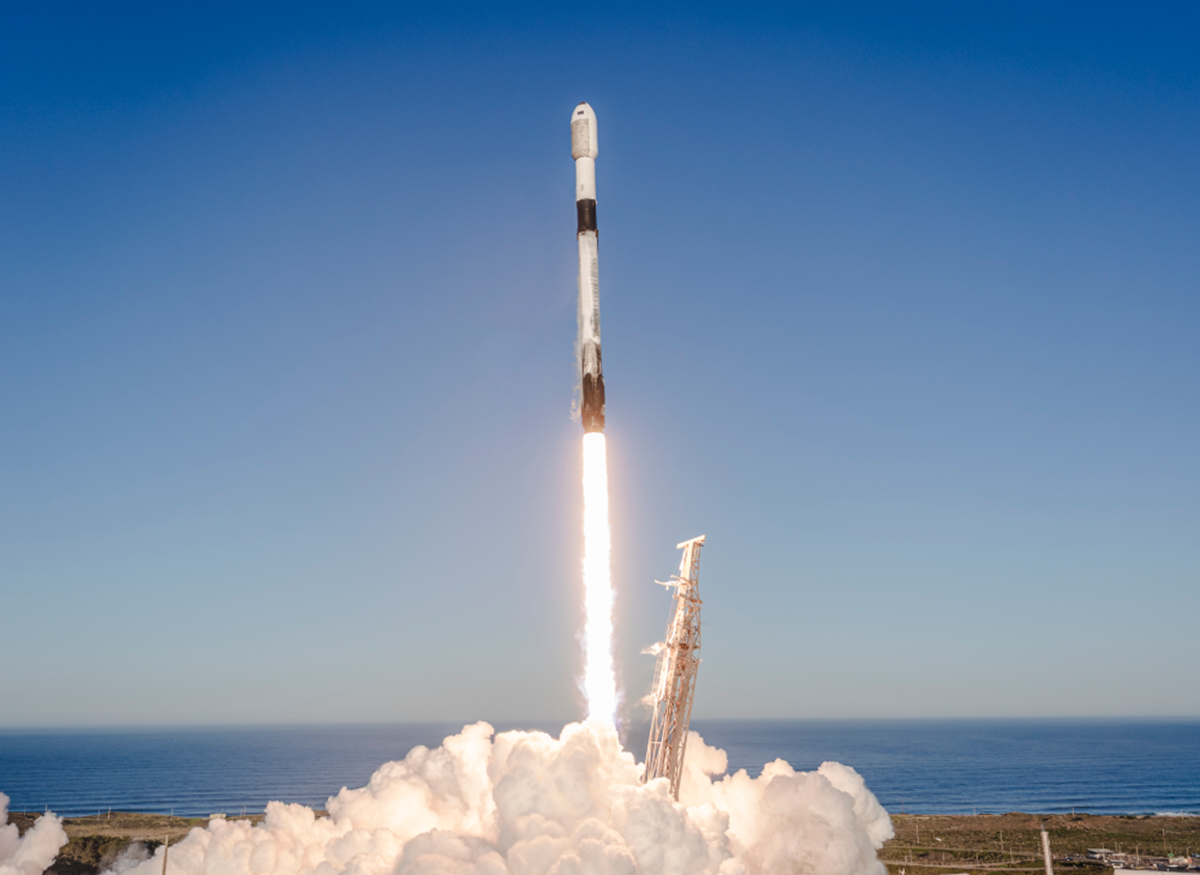
SpaceX plans to send Starship into orbit around Earth for the first time on Tuesday (22 September), carrying 26 Starlink V3 satellites on a flight lasting almost 10 hours.
SpaceX confirmed the plan on its Starship Flight 14 launch page, where it said the 75-minute launch window opens at 7:15am Central Time, or 1:15pm in the UK, pending regulatory approval.
Every previous Starship flight has deliberately flown a suborbital trajectory to keep the public safe while the company gathered data. SpaceX said that going to orbit allows the next phase of developing a fully and rapidly reusable rocket to begin.
The mission will fly at an altitude of roughly 275km and complete around six orbits of the planet before splashing down in the Pacific Ocean to the west of Chile.
Starship will only fire its engines to enter orbit once flight controllers have confirmed there is enough redundancy on the hardware needed for the deorbit burn at the end of the mission. That deorbit burn will use a single Raptor engine while the ship is in space.
The Super Heavy booster’s main objective is a successful launch, ascent, stage separation, boostback burn and landing burn at an offshore point in the Gulf of Mexico, which SpaceX refers to as the Gulf of America.
On Flight 13, the booster used all 33 engines on its boostback burn for the first time, but the three centre engines showed signs of ice clogging and the manoeuvre ended early. Only 8 of the 13 planned engines reignited for the landing burn, and the booster hit the water hard.
SpaceX said the booster on Flight 14 carries hardware changes to improve filtering to the engines and software changes to make engine relights more reliable.
First operational Starlink V3 satellites
The flight will also mark the first time Starship deploys Starlink V3 satellites into the constellation, rather than the dummy payloads flown on earlier tests.
Each V3 satellite adds 1 Tbps of capacity to the network, which means the 26 satellites on this flight add 26 Tbps in a single launch. SpaceX said that is roughly 10 times the capacity of a single Falcon 9 launch of V2 Mini satellites.
After deployment, the satellites will unfold their antennas, extend their solar arrays and make contact with the ground and the rest of the constellation through radio and laser links. They will then raise their orbits using onboard thrusters and could begin serving customers within a few weeks of launch.
Three of the satellites carry cameras to scan Starship’s heatshield and send imagery back to operators, as part of ongoing work to assess whether the ship is ready to return to the launch site on future missions.
Starlink currently operates around 11,100 satellites in low Earth orbit, mostly between 340km and 550km up, according to figures compiled by astronomer Jonathan McDowell.
UK residential customers pay from £40 a month for the 100Mbps unlimited plan, which ISPreview reported offers uploads of around 15Mbps to 35Mbps and latency of roughly 20ms. Faster packages cost more, while data-capped roaming plans start at £55 a month for 100GB.
Heatshield changes and the first reused tiles
SpaceX said several heatshield upgrades on this flight came directly from data gathered from the Flight 13 ship as it floated in the Indian Ocean.
These include extra retention mechanisms on tiles in the areas most at risk of falling off during ascent, fixes for newly discovered paths that let plasma flow behind tiles, and multiple sections flown with a curved tile design that reduces heating in the gaps between tiles.
Two tiles recovered from Ship 40 will fly again on Ship 41, which marks the first time SpaceX has reused a Starship heatshield tile.
A live webcast begins around 30 minutes before liftoff and runs through to splashdown, with the potential for hours of live views from Starship as it circles the Earth. SpaceX said the schedule is dynamic and likely to change.