Big changes coming to Liverpool’s buses

Key Points
- Liverpool City Region will bring its buses under public control with £86.3 million of government funding to 2029
- The combined authority will set routes, fares and branding, as London and Greater Manchester already do
- Franchising starts in St Helens, then the Wirral later this year and the rest of the region in 2027
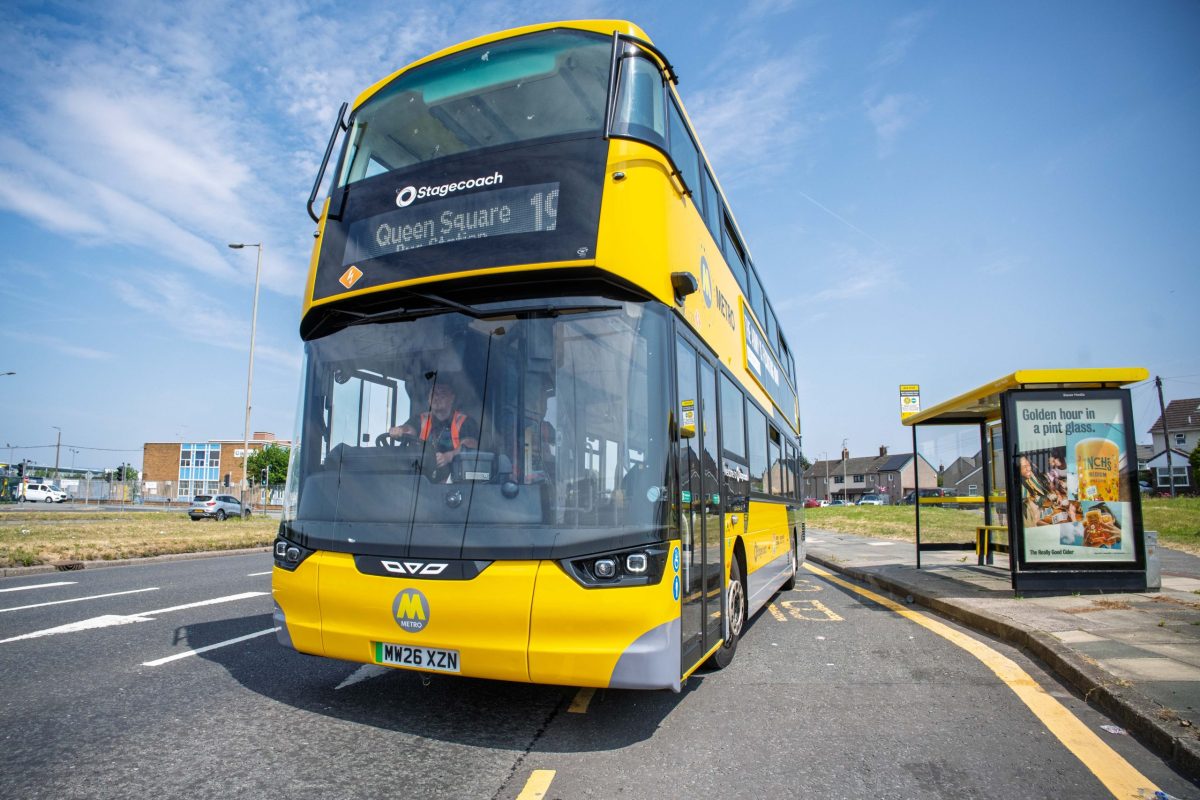
- A new fleet of yellow British-built buses is entering service
- The deal sits alongside the £2 national fare cap from January and free all-day travel for disabled people from April
The Liverpool City Region will bring its bus network under public control with £86.3 million of government funding running until 2029, the Department for Transport announced.
The city region becomes the first to franchise its buses under the current government, with a further share of a one-off £3 million pot set aside to help mayors take control of local services.
Franchising gives the combined authority the power to plan the bus network and run services where they are needed most. Local leaders will also decide routes, branding and fares, as they already do in London and Greater Manchester.
The department said passengers would see more frequent journeys, better route connections and a new fleet of buses.
Franchised services start in St Helens first, before rolling out to the Wirral later this year and the rest of the city region in 2027.
Local Transport Minister Simon Lightwood and Mayor of the Liverpool City Region Steve Rotheram attended the launch of the first locally controlled services.
“For nearly 40 years, bus deregulation has failed communities like ours. Routes have been chopped and changed, fares have risen and local leaders have been left without the power to shape a service that millions of people rely on every year,” said Rotheram.
“Almost overnight, people will start seeing our new yellow British-built buses appearing on the roads – a very visible sign that our buses are coming back under public control and that a new era for public transport in our region has begun,” he added.
Rotheram said the combined authority would now decide where buses go, how often they run and what passengers pay, and reinvest in the network.
“We’re giving those who best know Liverpool’s buses even more power to deliver better, more affordable and reliable services,” said Lightwood.
Prime Minister Andy Burnham said the agreement was the latest example of work driven through No.10 North, following a recent partnership with West Midlands leaders to take control of their bus services.
“After 4 decades of deregulation, Mayor Steve Rotheram is getting back control of the Liverpool City Region’s buses, and we are backing him with the funding and powers needed to make it happen,” said Burnham.
Passengers in the Liverpool City Region made more than 93 million bus journeys last year, and bus travel remains the most popular form of transport in England.
Liverpool City Region is one of six mayoral authorities the government is supporting to set up bus franchising.
The deal builds on the national £2 bus fare cap, which takes effect from January and saves passengers a third on bus travel. Concessionary passes will also extend to give disabled people free bus travel all day, every day from April.