Drones could bring back your phone signal after the next big storm in the UK

Key Points
- Drones with mobile equipment could act as temporary masts after storms
- A platform at 120 metres covers more ground than a portable mast
- Storm Arwen cost network operators £44 million in compensation
- The report wants pre-agreed licensing so drones can launch immediately
- The UK could hold 1,000 to 5,000 platforms by 2036 to 2041
Drones carrying mobile masts could restore coverage within minutes of a storm. A new report from Coleago Consulting for the UK Spectrum Policy Forum said the technology already exists, and that licensing rules are the main thing holding it back.
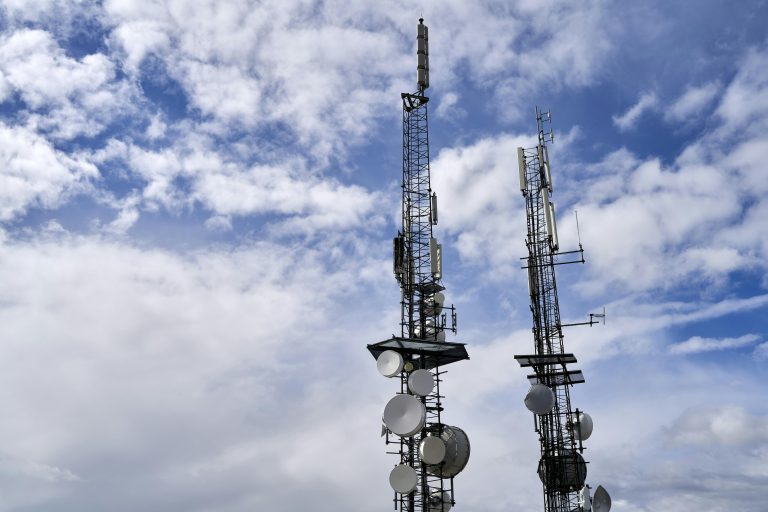
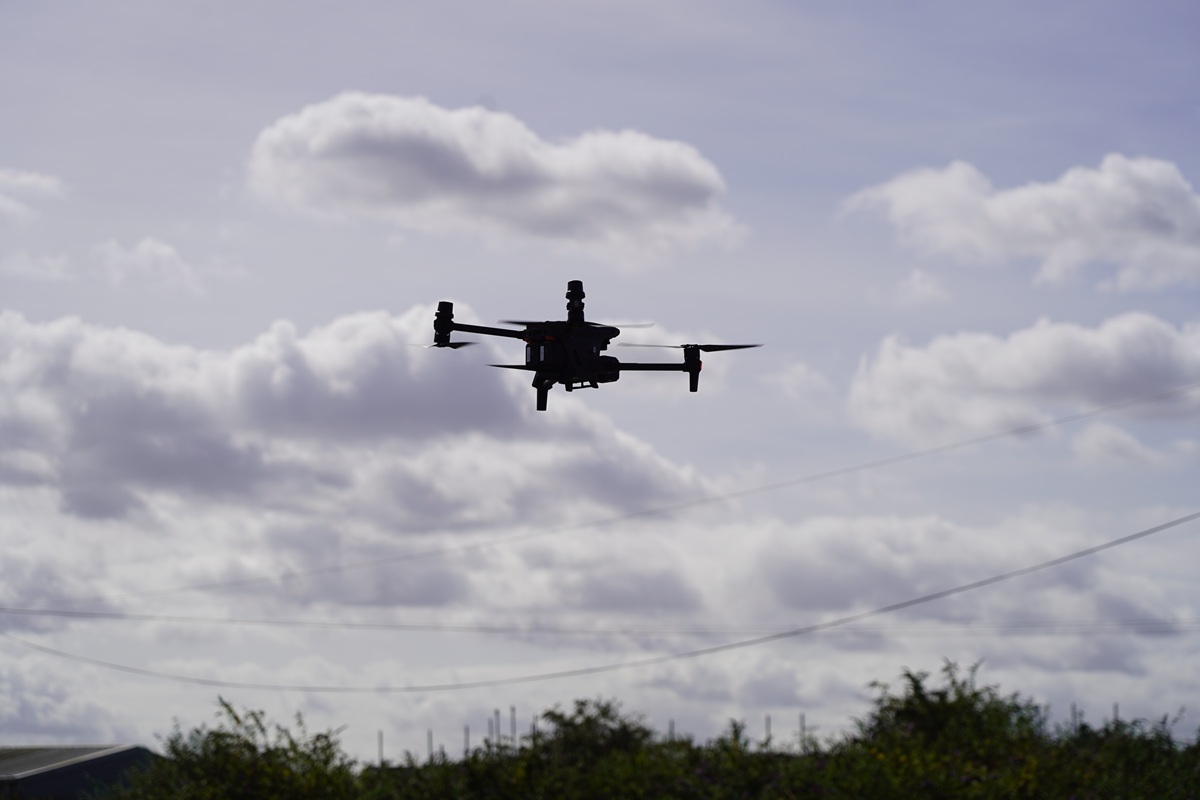
The study described drones and tethered aerial platforms fitted with mobile network equipment, which could act as temporary base stations above areas where storms, floods or fires have knocked out masts.
A platform flying at up to 120 metres could cover a much larger area than a portable mast on the ground, according to the report. Crews could move it as an incident develops, or fly it over ground that is unsafe to reach.
A tethered drone can draw continuous power from a generator on the ground and connect to the wider network by satellite. This setup would let it keep working when local power and mobile backhaul have failed.
The report focused mainly on emergency services, mountain rescue teams and engineers repairing power lines. It said similar arrangements could also extend to the mobile operators themselves.
Coleago used Storm Arwen to show what slow repairs cost. Network operators paid out £44 million in compensation after the 2021 storm, which left more than 4,000 customers, many of them rural, without power for over a week.
Ofgem’s rules entitle customers to £85 when severe weather cuts their power for 24 hours, plus £45 for every further six hours, up to a cap of £2,165.
The report said engineers who keep full mobile connectivity on site can restore power faster, which shortens outages and reduces compensation bills.
Coleago warned that mobile networks can also become congested during major incidents, as emergency crews, the public and the media all compete for capacity.
It recommended a standing authorisation that would let accredited operators switch on drone coverage under terms agreed in advance, rather than seeking approval from regulators during an emergency.
The firm expects the UK to hold between 1,000 and 5,000 such platforms by 2036 to 2041, with low hundreds in the air during a severe weather event.
Ofcom began authorising satellite direct-to-device services in December 2025, which the report said strengthens the backup layer that any drone network would depend on.