Britain bets billions on AI-powered fighter jets

Key Points
- The Ministry of Defence has extended BAE Systems' contract to develop the UK's Future Combat Air System (FCAS)
- More than 4,500 workers across the UK will develop artificial intelligence, advanced software and digital engineering technology
- Around 600 British companies and academic institutions form the supply chain, with 90% of jobs outside London and the South East
- The UK will invest £8.6 billion in the Global Combat Air Programme over the next four years
- Total government investment in FCAS has passed £5 billion since 2018
The Ministry of Defence has extended BAE Systems’ Future Combat Air System contract, backing more than 4,500 workers to develop artificial intelligence and advanced software for Britain’s next fighter jet.
The government announced the contract extension at the Farnborough International Airshow, where the UK’s future combat air ambitions have dominated the week’s headlines.
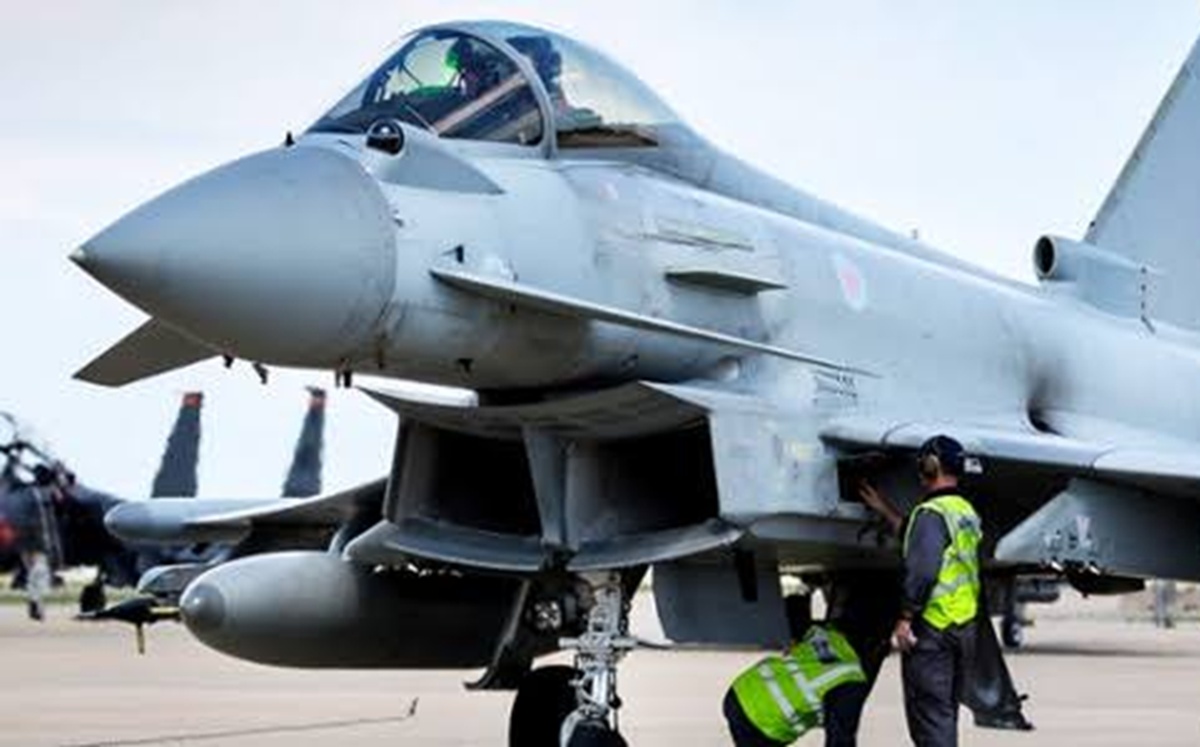
The deal accelerates development of the technology behind the Future Combat Air System (FCAS), the programme working towards a successor to the Typhoon.
That technology includes first-in-the-UK digital engineering, artificial intelligence, and advanced manufacturing capabilities such as augmented reality, additive manufacturing, and robotics.
BAE Systems will lead the work alongside Team Tempest partners Leonardo UK, MBDA UK and Rolls-Royce. Around 600 companies and academic institutions across the UK form the programme’s supply chain, and approximately 90% of the jobs sit outside London and the South East.
Robots, AI and 3D printing
The Ministry of Defence said the previous phase of investment delivered significant progress across the UK’s future combat air capability. That included expanding digital engineering capabilities, developing critical physical infrastructure, and maturing the advanced technologies that future combat air systems require.
Many of the technologies carry dual-use potential, meaning innovations developed for the fighter programme could feed into civilian industry. Additive manufacturing, better known as 3D printing, augmented reality and robotics all feature in the programme’s advanced manufacturing work.
The contract will also provide national infrastructure and technology as a critical contribution to the Global Combat Air Programme (GCAP), the trilateral effort with Japan and Italy to deliver a sixth generation fighter, as well as supporting the UK’s wider future combat air system.
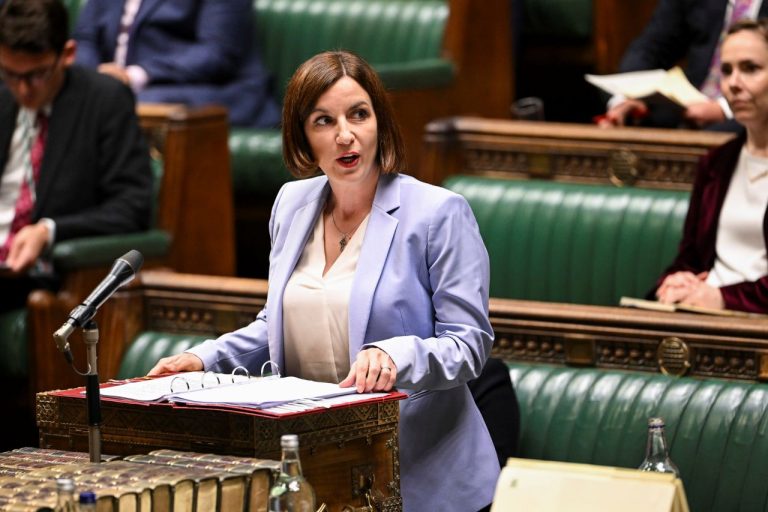
Defence Secretary Wes Streeting, who took office on 20 July, said the deal represented “a clear vote of confidence in British industry, and the thousands of highly skilled workers who are helping to keep our country safe”.
“This investment in advanced combat air technology for the UK Armed Forces will strengthen our defence and deterrence and shows our clear commitment to backing British workers with our defence investment, creating jobs and supporting communities across the UK,” he said.
£8.6 billion for Tempest’s successor programme
The announcement follows the recently published Defence Investment Plan, which confirmed the UK would invest £8.6 billion into GCAP over the next four years. Since 2018, the government has invested more than £5 billion across the FCAS programme.
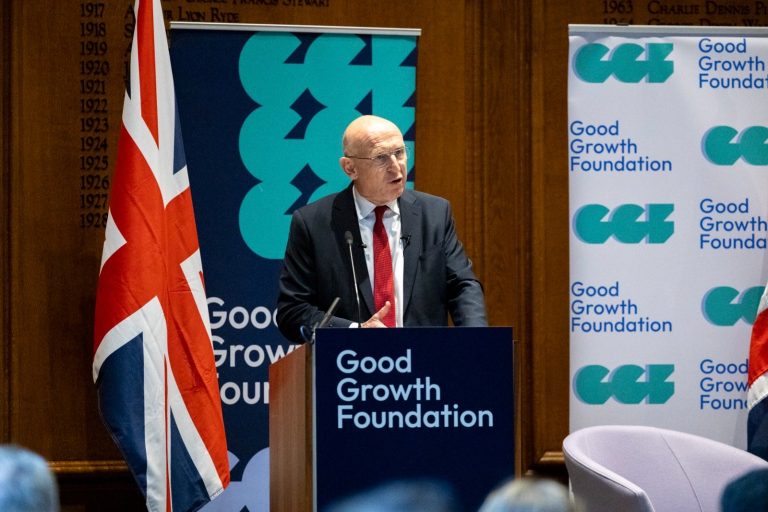
BAE Systems Group Managing Director Simon Barnes said the FCAS programme “represents the UK’s ambition to shape the future of combat air and secure a leading role in the technologies, skills and capabilities that will define air power for decades to come”.
“This additional investment will enable us, as Team Tempest partners, to continue pushing the boundaries of digital engineering, advanced systems and next-generation combat air technologies, helping sustain the UK’s position at the forefront of combat air innovation,” he said.
The government has positioned defence as an engine for economic growth, and the programme supports thousands of skilled jobs across the country. For the roughly 600 British firms in the supply chain, the extension provides continuity on one of the largest technology programmes in the UK.