The cost of a three-night break in London

Key Points
- A New West End Company report with Colliers ranks London the third most expensive of thirteen major cities for a three-night break, at £690.
- Only Paris is more expensive in Europe (£930); the index average is £500 and Shanghai is the cheapest at £380.
- The figure reflects hotel, transport, attraction and dining costs; London is also named the world's priciest city for public transport day travelcards.
- The report uses the data to argue for tax-free shopping and other measures; its cost analysis reflects end-2025 conditions.
London is the third most expensive of thirteen major global cities to visit for a three-night break, according to a new report.
The finding comes from Unlocking the London Advantage, produced by the West End business group New West End Company with property consultancy Colliers.
It puts the cost of a three-night stay in London at £690, behind only Paris (£930) in Europe and against an average of £500 across the thirteen cities benchmarked. Shanghai is the most affordable in the index at £380.
The cost-of-stay figures are based on Colliers’ analysis of hotel rates, transport costs, attraction entry fees and dining costs across all thirteen cities, which also include New York, Tokyo, Singapore, Dubai, Abu Dhabi, Hong Kong, Barcelona, Milan, Sydney and Los Angeles.
Hotels and transport drive up costs
Hotel prices are a significant driver. The report shows that average daily hotel rates in London rose 6% over the past year, double the global average across the cities studied, which it attributes to sustained demand.
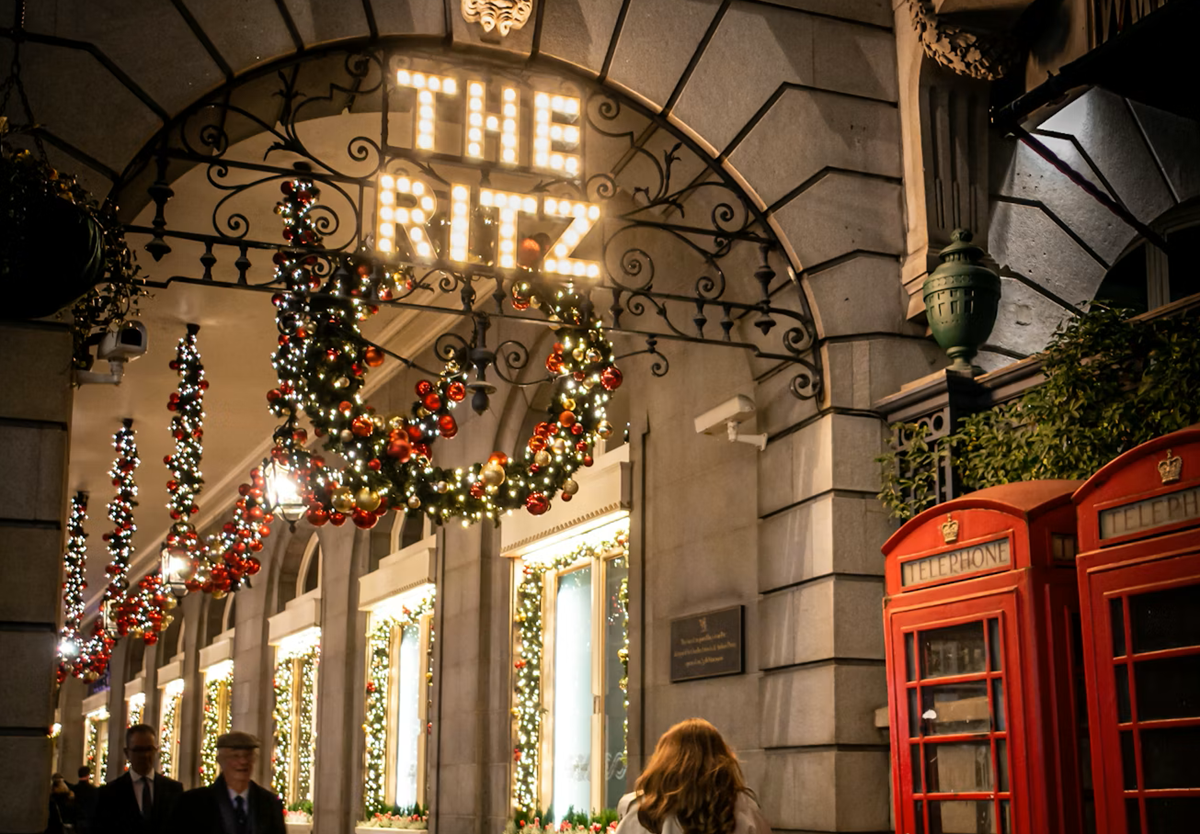
London has more than 100 five-star hotels, from established names such as Claridge’s, The Connaught and the Ritz to newer openings.
Transport also adds to the total. The report names London as the most expensive city in the world for public transport day travelcards.
It also points to the Electronic Travel Authorisation, which overseas visitors must buy to enter the UK and which doubled from £10 to £20 over the past year while being extended to include EU residents.
The report notes that London’s public transport recovery since the pandemic has outpaced New York’s, with Underground ridership returning more strongly than the New York subway.
Good value attractions
By comparison, attraction costs are mixed. The report shows that the the average entry price to London’s paid UNESCO heritage sites is £23, double the all-city average.
It sets that against the city’s free national museums, including the British Museum, Tate Modern, the V&A and the Natural History Museum, a policy in place since 2001 that it describes as a competitive advantage few cities can match.
The report also flags a proposed overnight visitor levy. It notes that, managed well as a locally retained fee reinvested in the visitor experience, a levy could support the wider economy, but warns that a poorly designed charge could discourage overnight stays and widen the gap with rival cities.
A 2025 survey of West End visitors found that Paris, New York and Dubai were the top destinations they had visited or planned to visit, the report says. Among higher-spending visitors, preferences shifted towards Gulf cities including Abu Dhabi and Dubai, along with Hong Kong.
New West End Company uses the cost findings to argue for measures it says would make London more competitive, including a tax-free shopping incentive for international visitors and longer Sunday shopping hours.
The report ranks London third for tourism and hospitality, behind New York and Dubai, but last of the thirteen cities on policy competitiveness.
Despite the costs, the report shows demand for the West End has held up. International visitation to the district grew 11.8% in 2025 even as London’s overall inbound numbers fell 3.1%, and the area generated nearly £9 billion in turnover.
The report’s cost-of-stay analysis reflects conditions at the end of 2025.