Apple and Google roll out private messaging after Instagram kills encryption

Key Points
- Apple and Google will roll out encryption for messages between iPhones and Android devices.
- End-to-end encryption means no one can read messages sent between devices, not even mobile networks or ISPs.
- This follows after Meta ended encrypted messaging in Instagram, making it possible for it to read and store users' DMs.
- Encrypted messaging is still supported in WhatsApp and per-platform apps like iMessage, but Apple and Google's joint effort is good news for user-first privacy across platforms.
Apple and Google have announced that end-to-end encryption will be automatically enabled for messaging between iPhones and Android devices.
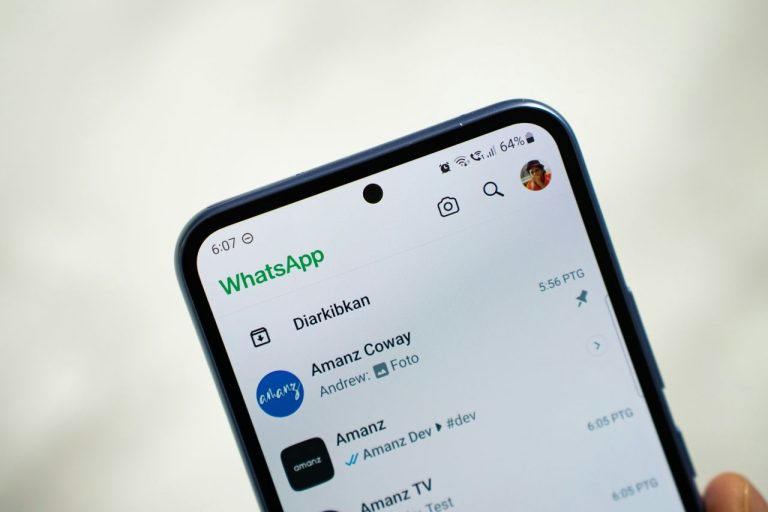
This follows last week’s announcement from Meta that it would be shutting down end-to-end encryption in Instagram direct messages, citing a lack of adoption by users.
It has not taken long for Apple and Google to respond, signalling their support for end-to-end encrypted messaging through a joint effort to enable this encryption for text messaging between their smartphones.
From today, end-to-end encrypted messaging will begin rolling out in beta between Android and iPhone users, keeping conversations between the world’s two most popular smartphone platforms secure and free from surveillance.
What is end-to-end encryption?
End-to-end encryption secures conversations by ensuring that no one except the recipient and sender have access to the content of a message.
Without this secure form of encryption, messages can be inspected by the servers of the app they run on. As of Friday 8 May, Meta has the ability to store and read any DMs sent by users of their platform, providing them no way to enable the encryption that would keep their messages truly private.
Where smartphones previously used the SMS (Short Messaging Service) standard for text messaging, modern devices have since migrated to Rich Communication Services (RCS), which offers a host of additional functionality.
RCS is what allows Android and iOS devices today to send each other emojis, see when others are typing, and send messages over Wi-Fi rather than mobile networks.
RCS also adds support for end-to-end encryption, ensuring that only you and the recipient can access your messages; not even mobile networks or ISPs can extract message content when encryption is enabled.
How are Google and Apple changing text messaging?
In a joint announcement on Monday 11 May, Google and Apple said they have led a cross-industry effort to bring end-to-end encryption to Rich Communication Services (RCS), creating a cross-platform standard that replaces SMS with a secure, private alternative that works between the world’s most popular devices.
For both Android and iOS users, encrypted RCS messaging will be enabled by default once it has rolled out.
Android users will know that a cross-platform conversation is secure when they see a lock icon in their RCS chat; the same previously shown for RCS chats between Android devices.
End-to-end encrypted RCS messaging will begin rolling out in beta to iPhone users, first to those running iOS 26.5 with supported carriers.
The UK networks that currently support end-to-end encrypted RCS messaging on iPhone are listed below:
- Three
- BT
- EE
- giffgaff
- ID Mobile
- O2
- Sky
- Talk Mobile
- Tesco Mobile
- Virgin Mobile UK
- Vodafone
As with users on Android, iPhone users will know that RCS messages are encrypted when they see a new lock icon in their conversations.
Encryption will be activated by default and will be enabled over time for new and existing RCS conversations.
Cross-platform privacy is good for users
Note that Apple still has its own iMessage service that is not related to RCS messaging, and it already supports end-to-end encrypted messages between iPhones.
However, this joint announcement is good news for anyone who texts using an iPhone or Android devices. It ensures private messaging for users across both devices regardless of who they are texting, as Android users can now enjoy the same privacy when messaging iPhone users as they have when messaging each other, and vice versa.
It is also important to note that while Instagram no longer offers encrypted messaging, Meta’s WhatsApp platform still offers encrypted chats by default, albeit leaving cloud backups unencrypted.
However, in a scenario where user privacy is being tested and the internet is becoming more siloed around monoliths owned by a few companies, the addition of a cross-platform privacy mechanism for people regardless of their smartphone is a welcome signal in a positive direction.