Building in the UK is becoming ‘unviable’ as the cost of a new home soars by £76,000
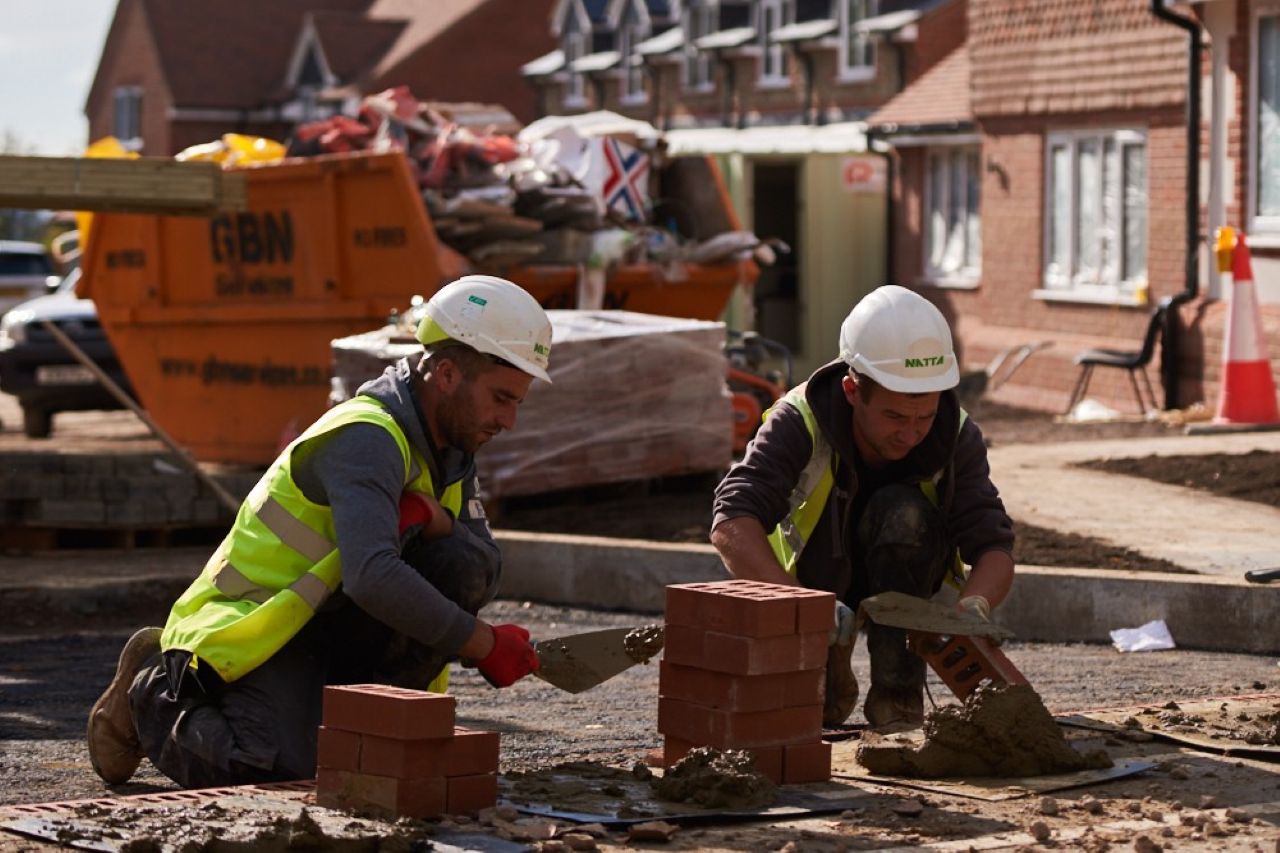

New taxes, policies, and inflation have increased the cost of building a new house in the United Kingdom by an average of £76,000 since 2020.
This is according to new data from the Home Builders Federation (HBF), which said this increase in homebuilding costs raises serious concerns about the viability of building housing stock in the country, even as the government aims to build at a record pace.
The result of new taxes and policies, as well as high levels of inflation, has led to a situation where it no longer makes economic sense for many companies to build new houses at all.
Despite the Labour government promising to ramp up the delivery of new homes, only 208,000 new houses were completed in 2024/25, down from 16% from the 2020 peak. The HBF said this decline is driven by policies and economic circumstance that simply make homebuilding unviable.
The estimated additional cost of £76,000 for building a home is driven primarily by inflation, which has led to a £37,000 corresponding increase in material and labour costs.
However, the HBF states that an estimated £23,000 additional cost is incurred through regulation, which includes £7,770 for building regulations, £5,700 for Biodiversity Net Gain (BNG) and £10,200 in costs linked to the Future Homes Standard
More than £7,000 in further costs is incurred through taxes and levies, as well as inflationary increases on existing charges.
Altogether, the £76,000 increase in the cost of building a new home in the UK accounts for a substantial portion of the average value of a new home, which was £365,000 as of June 2025.
To reverse this trend and help make homebuilding an economically viable enterprise again, the HBF as called on the government to walk back new policy costs, taxes and levies that impact homebuilding and to review the impact of existing regulation on the industry.
It said the government should cancel the Building Safety Levy, which aims to raise funds for the remediation of unsafe cladding and building safety defects by imposing a levy on new large residential developments. It is scheduled to take effect from October 2026.
The HBF also argued that increases to Landfill Tax should be suspended, and it said the ’emergency package’ brought forward by government last year to prevent a collapse in housing supply risks being counteracted by these policy changes.
“The Government’s ambition for new homes relies heavily on private home builders to deliver, yet it is not providing the conditions for these businesses to operate,” said Home Builders Federation chief executive Neil Jefferson.
“Without urgent action to review and reduce the overall cost burden, the delivery of both private and affordable homes will remain at risk, and people will continue to miss out on the homes they need.”
““Increased taxes and policy costs, alongside suppressed demand due to a lack of affordable mortgage lending and no Government support for buyers, are preventing builders increasing housing supply and putting the Government’s housing ambitions increasingly out of reach,” Jefferson said.