EE charges £2 a month for new spam blocking service
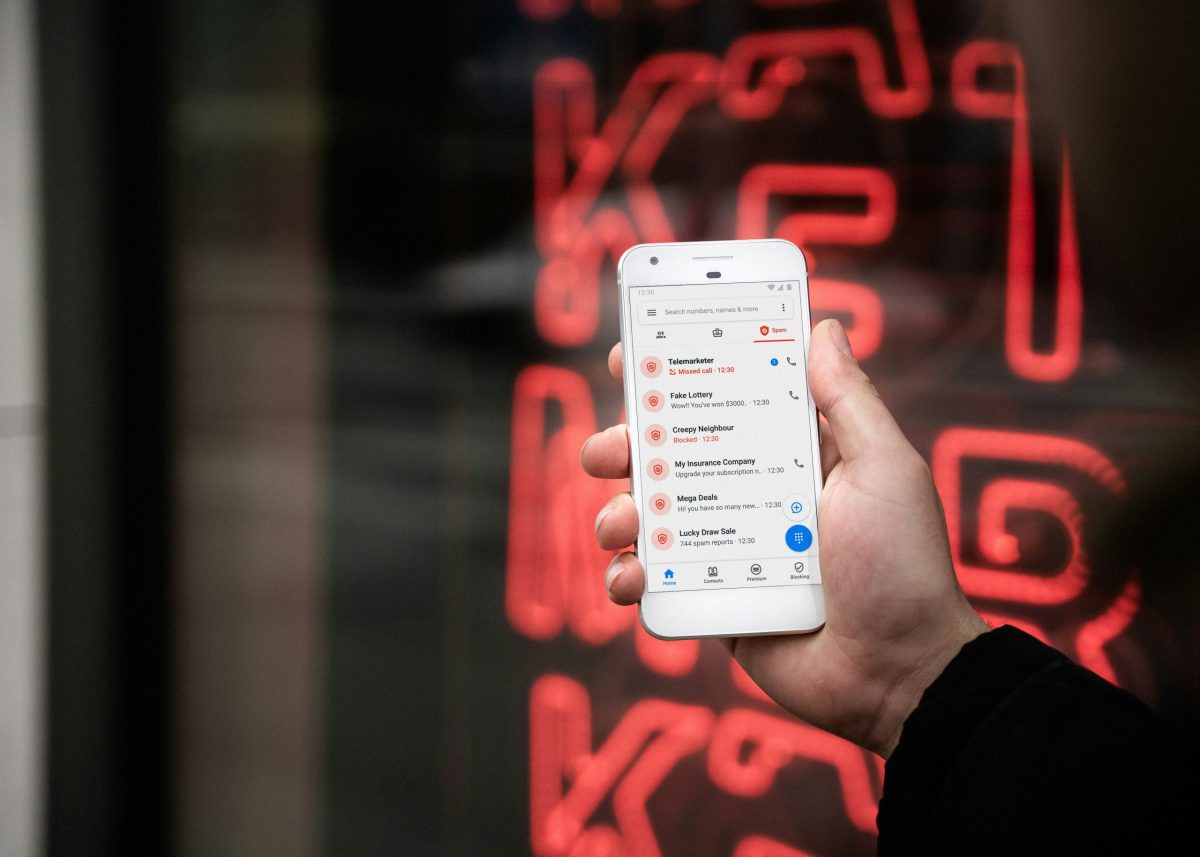

EE will charge its 25 million pay monthly mobile customers £2 a month for an upgraded Scam Guard service launching on Wednesday (29 April).
The announcement comes as Cifas confirms UK fraud cases hit a record 444,000 in 2025 and industry trade body Mobile UK reports operators collectively blocked 97.1 million scam texts in January 2026 alone.
The service, built on Norton’s Genie AI engine, adds Safe Email, Safe SMS and Safe Web scanning to the existing call-blocking foundation that EE says has stopped 169 million scam and spam attempts since 2024.
EE expects the upgraded version to prevent at least twice as many scams over the next 12 months.
The launch puts EE in direct pricing parity with Vodafone, whose Secure Net Mobile service costs the same £2 a month after a three-month free trial and bundles AI scam call protection, dark web identity monitoring, virus protection and parental controls.
Vodafone bakes Secure Net Home into its Pro broadband tier at no extra cost, a model EE has not matched on its mobile side.
“Fraud in the UK is at a record high, with AI making scams more convincing and harder to detect. As these threats evolve, we continue to adapt as the UK’s best network – constantly seeking new and innovative ways to protect and support our customers,” said Malcolm Cubitt, EE’s Director of Product for Mobile.
“This includes leading industry alliances, investing in network-level controls, and employing a dedicated team of security experts. And now with our newly enhanced Scam Guard service, we’re providing customers with an even greater level of cyber security protection.”
What the £2 actually buys
The headline feature is AI Triple-Lock Protection, three Norton-powered scanners that work across email, SMS, and web browsing.
Safe Email flags suspicious messages before customers open them, Safe SMS analyses incoming texts in real time, and Safe Web blocks known scam sites during shopping or browsing.
A new Scam Assistant tool lets customers upload screenshots of suspect texts, emails, social media DMs or QR codes and receive an instant verdict on whether the content is safe, useful for the kind of WhatsApp delivery scams and fake HMRC texts that have proliferated since 2024.
Call Labelling adds network-level screening of every incoming call, showing customers a warning before they answer. Dark Web Monitoring and Social Media Monitoring scan for compromised credentials and suspicious account activity, while a bundled Password Manager generates and stores secure passwords.
Mobile Device Security blocks ransomware and malicious attachments at the device level. The full feature stack genuinely is comprehensive, the issue is the principle rather than the package.
What Ofcom and the Telecoms Charter are doing about the underlying problem
The November 2025 Telecoms Fraud Charter, signed by EE, Virgin Media O2, VodafoneThree, Tesco Mobile, TalkTalk and Sky, commits networks to eliminate UK number spoofing within a year and resolve the majority of fraud victim cases within 21 days by November 2026.
Ofcom is running a parallel consultation on RCS messaging scams, which currently fall outside the Communications Act.
BT Group separately reports it blocked 1.6 billion attempts to access malicious domains, 200 million scam texts and 61 million scam calls across 2025, with a further 175 million nuisance calls flagged.
None of that activity is paywalled, it happens automatically at network level for every customer regardless of whether they buy Scam Guard.
That distinction matters as the £2 add-on is not what stops the bulk of scams reaching EE customers, the network’s existing infrastructure does that for free.
Scam Guard is the device-level layer on top, and on the evidence of EE’s own numbers, customers without it are already protected from the vast majority of attempts.
Should you pay £2 a month?
The answer depends on how exposed you are.
Older relatives, anyone running a small business from a personal mobile, or customers who have already had credentials leaked in a breach get genuine value from Scam Assistant, dark web monitoring and the password manager combined.
For a tech-confident customer who already runs a password manager, uses Gmail’s built-in spam filter and has Bitdefender or similar on their phone, the £24 a year duplicates protections you already own.
The deeper issue is that EE is now the second of the big four to charge £2 monthly for what an increasing number of European regulators consider a baseline service.
France’s Arcep and Italy’s AGCOM have both moved towards mandating network-level scam blocking as a free utility.
Whether the UK follows depends on what Ofcom does with its RCS consultation and whether the Fraud Strategy due later in 2026 forces more protections behind no paywall.