Inside the wargame testing if the UK can survive a real war


Key Points
- Five major defence firms, Boeing, KNDS, MBDA, Rheinmetall and Tekever, are wargaming with the MoD this week to test UK supply chain resilience under sustained conflict.
- The exercise builds on a December 2024 wargame and feeds directly into the Strategic Defence Review and Defence Industrial Strategy.
- UK defence spending is set to hit 2.6% of GDP from 2027, the largest sustained increase since the Cold War, backed by a £270 billion parliamentary commitment.
- Findings will shape policy on industrial surge capacity, sovereign capability and SME participation in defence supply.
- Minister Luke Pollard MP and National Armaments Director Rupert Pearce are framing the work as essential to closing the gap between defence ambition and delivery.
Five of the world’s biggest defence manufacturers, Boeing, KNDS, MBDA, Rheinmetall and Tekever, are sitting down with senior Ministry of Defence officials this week to play out a scenario the UK hopes never to face: a sustained, large-scale conflict that pushes British supply chains to breaking point.
The exercise comes as the government commits a record £270 billion to defence over this parliament, with spending set to rise to 2.6% of GDP from 2027, the largest sustained increase since the Cold War ended.
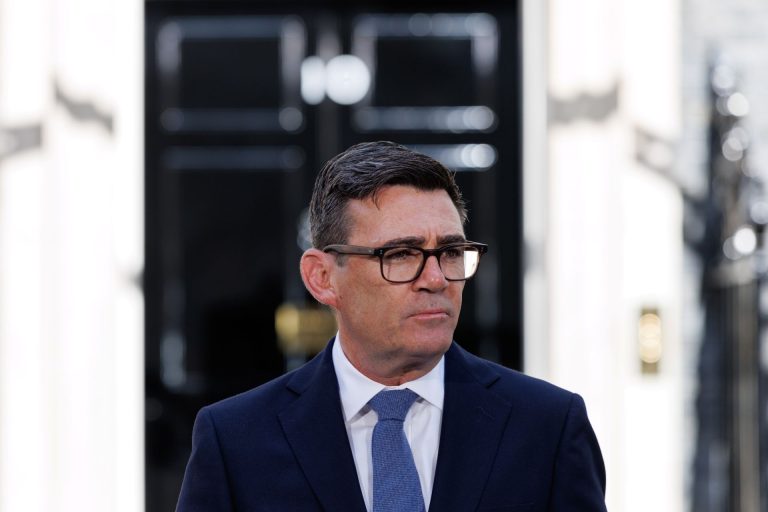
Minister for Defence Readiness and Industry Luke Pollard MP is leading the political charge, arguing that capability alone is not enough if the factories, components and logistics behind it cannot keep pace.
The wargame asks a deceptively simple question: If demand for missiles, vehicles, drones and ammunition surged tomorrow and stayed elevated for months or years, where would the system buckle first?
Participants are working through that scenario in detail, identifying choke points across raw materials, component suppliers, skilled labour and production capacity, and examining what government and industry can do together to close the gaps.
The findings will feed directly into live policy work, including the Strategic Defence Review and the Defence Industrial Strategy, both of which place supply chain resilience at the centre of UK military planning.
This is not the MoD’s first attempt at stress testing itself. A December 2024 wargame examined ammunition and equipment stocks under wartime conditions, and the lessons from that round are already shaping how the department thinks about industrial mobilisation.
The new exercise widens the lens considerably, pulling in primes that build everything from fighter aircraft to land vehicles, precision missiles and uncrewed systems.
Tekever’s inclusion is notable given its rapid rise as a drone supplier, reflecting how the modern battlefield, shaped by lessons from Ukraine, has reset assumptions about what a resilient defence base actually needs to produce.
National Armaments Director Rupert Pearce framed the wargame as part of a broader cultural shift inside the MoD towards working with industry as a genuine partner rather than a transactional supplier.
The Defence Industrial Strategy commits the government to strengthening domestic supply chains in critical areas, diversifying the supplier base and pulling smaller innovative firms further into the defence ecosystem.
The Strategic Defence Review goes further still, setting out a commitment to build sovereign industrial capability at pace so that surge plans exist on paper and in practice, not just in theory.
Why this matters now
Russia’s war in Ukraine has stripped away the comfortable assumption that Western industrial bases could meet wartime demand from a standing start.
European stockpiles of artillery shells, air defence interceptors and armoured vehicles have been drawn down faster than industry can replace them, and the UK is no exception.
By rehearsing the failure modes before they happen, the MoD is trying to compress the lag between policy ambition and factory output, a lag that during a real conflict could prove decisive.
The £270 billion commitment is the financial backbone of that effort, but money alone does not build resilient supply chains.
Skilled welders, machinists and engineers, certified suppliers, secured raw materials and the contractual flexibility to switch production lines quickly all sit alongside the spending headline.
The wargame gives both sides a low-risk environment to test whether the plumbing actually works.