Why Brits are upgrading their laptops but not their TVs

Key Points
- British shoppers are prioritising practical tech upgrades like laptops, smartphones, and telecom equipment while holding back on big-ticket items such as televisions
- ONS Retail Sales Index for March 2026 shows computer and telecoms stores recorded strong sales growth driven by new product launches and connectivity demand
- Overall retail volumes rose 0.7% month-on-month (0.2% excluding fuel), with non-store (online) retailers reaching their highest levels since February 2022
- Larger electrical goods, particularly TVs, saw weaker demand as households extend the life of existing devices amid cost-of-living pressures
- Trend reflects selective spending on value-driven, necessity-based tech rather than luxury durable goods, benefiting online and connectivity-focused retailers
British shoppers are being more selective with their technology purchases, favouring practical upgrades and connectivity devices while holding back on larger, discretionary items like televisions.
The latest Office for National Statistics (ONS) Retail Sales Index for March 2026 shows that overall retail sales volumes rose 0.7% month-on-month in March, driven largely by fuel stockpiling amid geopolitical tensions.
Excluding automotive fuel, volumes increased a more modest 0.2%. Over the first quarter of 2026, volumes were up 1.6% on the previous quarter and 2.7% year-on-year.
Tech winners
Computer and telecoms stores stood out as a bright spot within non-food retail. Sales volumes in this category rose in March, with retailers citing strong demand driven by new product launches.
This performance carried into the quarterly figures, contributing to growth in “other non-food stores.”
This trend points to sustained consumer interest in devices that support work, study, gaming, and connectivity – areas closely tied to more time working and living at home.
Shoppers appear willing to invest in laptops, desktops, smartphones, and related telecom equipment, especially as technology cycles deliver meaningful upgrades in performance, battery life, or features like AI capabilities.
Non-store retailers (online) also recorded gains, reaching their highest volumes since February 2022. Spring sales and new product releases helped drive this, with tech items likely forming a significant portion of the mix given the ease of online comparison and delivery for electronics.
Tech losers
By comparison, larger electrical goods, particularly TVs, faced headwinds. This aligns with broader caution around high-value durable goods amid cost-of-living pressures and economic uncertainty.
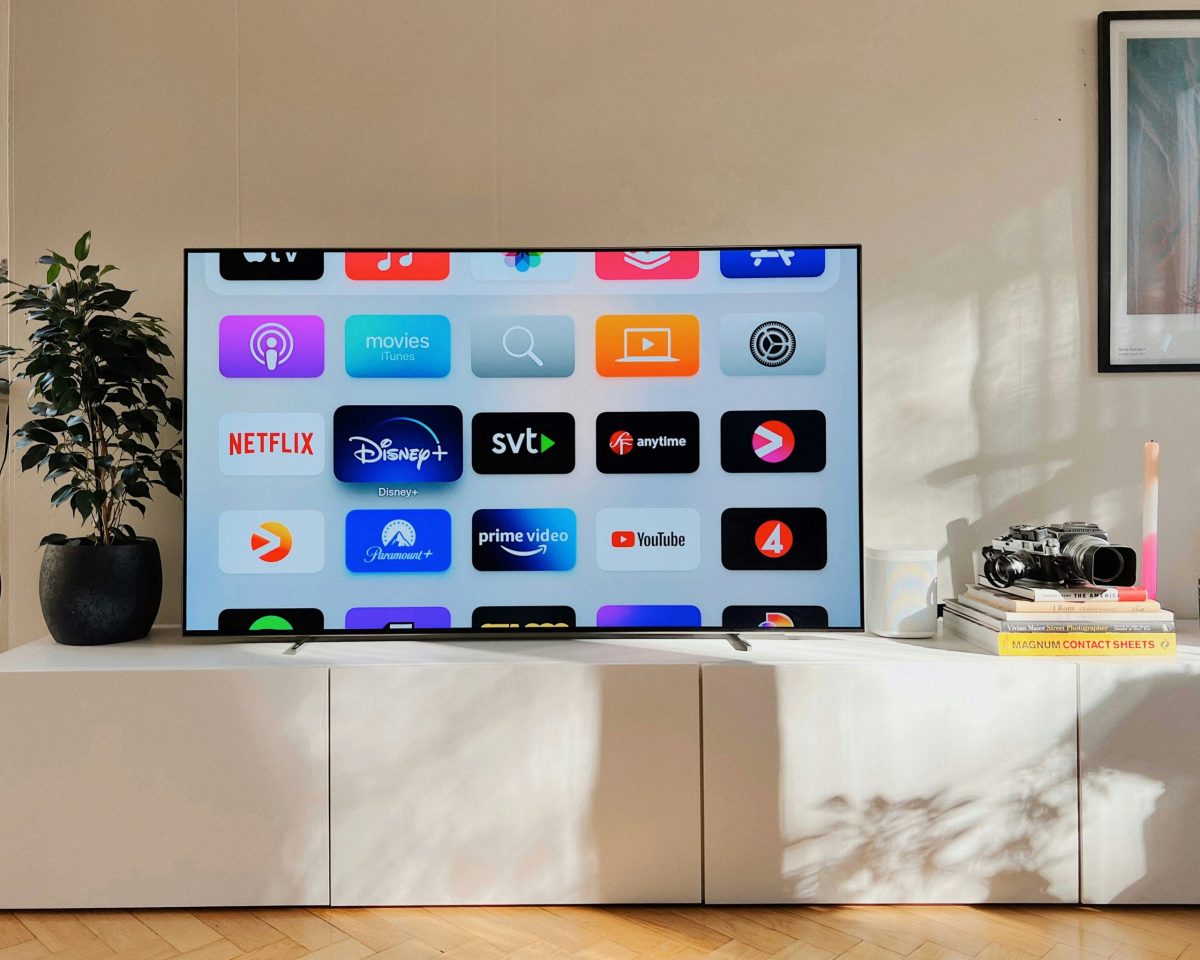
Households appear to be extending the life of existing TVs, especially with the maturity of streaming services (Netflix, Disney+, etc.), reducing the urgency for frequent hardware upgrades.
Many consumers may also be waiting for clearer signals on new display technologies like 8K or advanced OLED before committing to big spends.
Household goods stores as a broader category, showed mixed or softer performance in recent months, reflecting this selective approach to big-ticket home electronics.
A different shopping environment
For the retail sector, the strength in computer and telecoms sales is positive news. More devices in homes translate to higher data usage, demand for faster speeds, and opportunities in bundled services or Wi-Fi upgrades. Online retail strength also benefits the digital delivery of tech and services.
However, the data also shows that retailers and manufacturers will need to adapt.
The data suggests that while overall tech appetite remains, British shoppers are prioritising value and necessity over luxury or “nice-to-have” big screens for now.
Promoting affordable upgrades, bundles with broadband contracts, or financing options for bigger items could help bridge the gap.